CM Rekha Gupta joins Hardeep Puri's 1984 memorial march
Synopsis
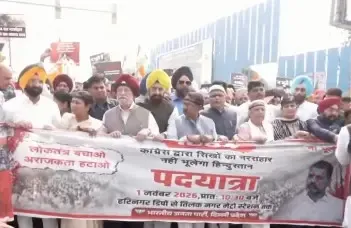
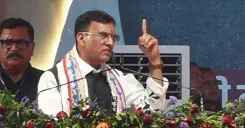
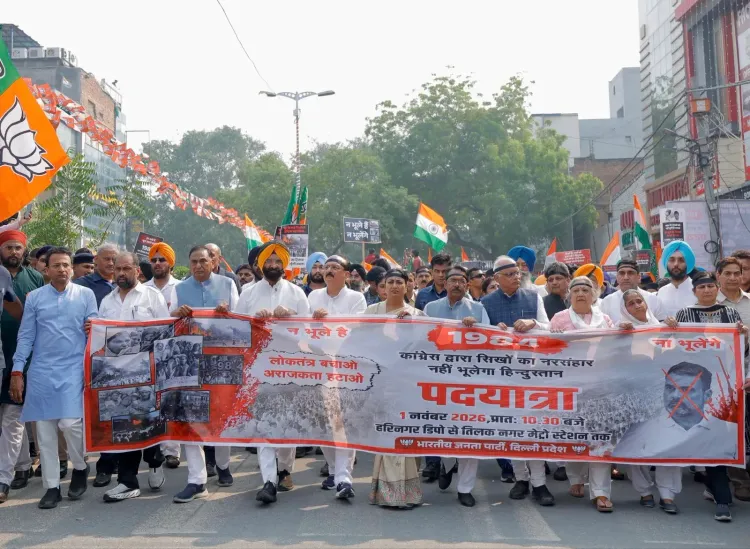
Delhi Chief Minister Rekha Gupta joined a BJP padyatra led by Union Minister Hardeep Puri in Hari Nagar on 1 November 2026, using the 1984 anti-Sikh violence anniversary to directly challenge Congress and Rahul Gandhi over their same-day democracy march.
Key Takeaways
Delhi CM Rekha Gupta participated in the 'Save Democracy, Remove Anarchy' padyatra in Hari Nagar on 1 November 2026 .
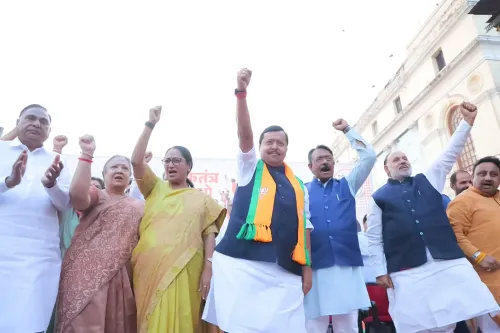
The march was led by Union Minister Hardeep Singh Puri and drew senior Delhi BJP figures including Harsh Malhotra, Manjinder Singh Sirsa, Darshana Jardosh , and others.
CM Gupta accused Rahul Gandhi and the INDI alliance of 'crass insensitivity' for holding a rival political march on the same date as the 1984 anti-Sikh violence anniversary.
The 1984 anti-Sikh violence followed Indira Gandhi's assassination on 31 October 1984 and killed thousands of Sikhs; the Nanavati Commission (2005) examined accountability.
BJP has consistently invoked the 1984 anniversary in Delhi and Punjab election cycles to highlight Congress's historical record on the violence.
Congress and Rahul Gandhi have not yet responded publicly to the day's specific accusations.
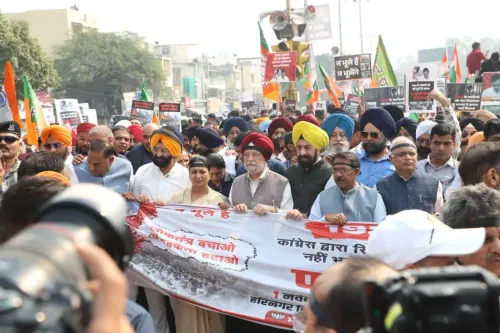
On the anniversary that Delhi never forgets, Delhi Chief Minister Rekha Gupta took to the streets of Hari Nagar on 1 November 2026 to join a padyatra honouring the victims of the 1984 anti-Sikh violence — and to deliver a pointed rebuke at Congress leader Rahul Gandhi for holding a rival political march on the same day.
The march, the message, and the moment
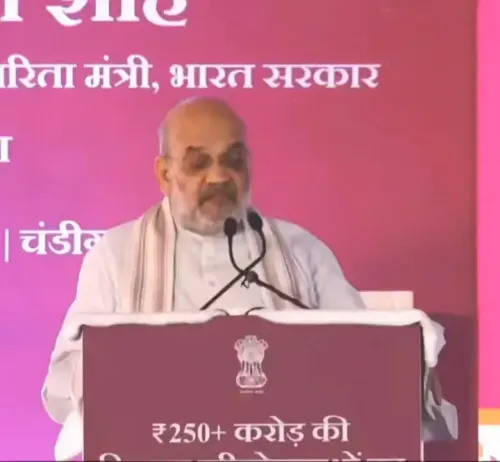
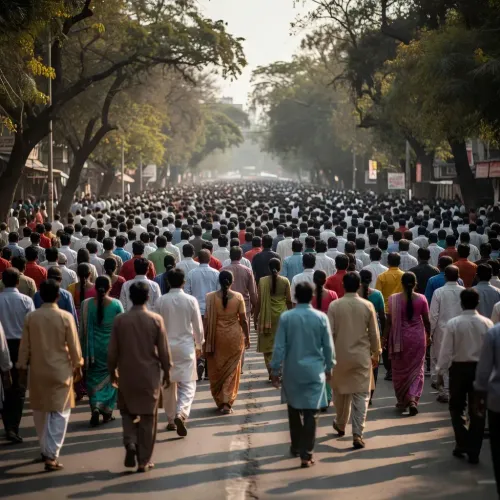
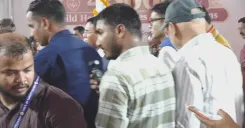
The padyatra, titled 'Loktantra Bachao, Anrajkata Mitao' ('Save Democracy, Remove Anarchy'), was led by Union Minister Hardeep Singh Puri from Hari Nagar. CM Gupta, who joined the march, said the presence of large numbers of Sikh men and women was itself the loudest statement of the day. In her post, she wrote: 'The united voice of Sikh brothers and sisters gathered here in such large numbers is reminding Rahul Gandhi and Congress that Delhi has seen the pyres of its own burning in 1984. The pain of that memory is still alive in this city.'
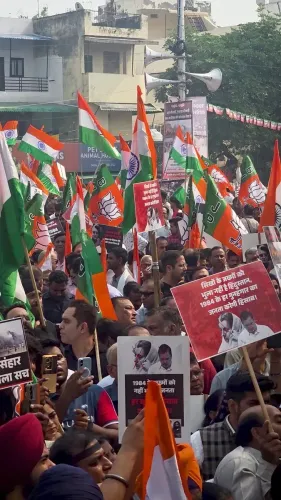
The accusation was direct: that the Congress-led INDI alliance chose 1 November — the date the 1984 killings began in the immediate aftermath of Indira Gandhi's assassination on 31 October — to stage a march framed around protecting democracy, showing, in CM Gupta's words, 'crass insensitivity' to survivors and bereaved families. She called it 'rubbing salt on the wounds of families whose sons were killed before their mothers' eyes, whose brothers were widowed, whose children lost their fathers.'
1984 — the stain BJP says Congress cannot erase
The 1984 anti-Sikh violence remains one of independent India's most contested episodes of communal bloodshed. Following Indira Gandhi's assassination on 31 October 1984, targeted attacks killed thousands of Sikhs across Delhi and other cities. The Nanavati Commission report of 2005 examined the riots in detail and recommended further accountability, but demands for justice have persisted for over four decades.
BJP has returned to the 1984 anniversary repeatedly across election cycles — in Delhi and Punjab — to underline what it frames as Congress's unresolved historical responsibility. CM Gupta's post captured that argument in full force: 'The stain of the Sikh genocide on Congress's forehead cannot be washed away by Rahul Gandhi's slogans of saving democracy. No political pretence will erase it.'
Who walked with Rekha Gupta in Hari Nagar
The gathering brought together a significant cross-section of Delhi BJP's leadership. Present alongside CM Gupta and Union Minister Hardeep Singh Puri were Delhi BJP in-charge Dr. Vinay Sahasrabuddhe, co-in-charge Darshana Jardosh, Delhi BJP president and Union Minister of State Harsh Malhotra, cabinet colleagues Ashish Sood and Manjinder Singh Sirsa, MP Kamaljit Sehrawat, Rajya Sabha MP Vikramjit Singh Sahney, MLA Arvinder Singh Lovely, and Delhi BJP general secretary Vishnu Mittal.
The presence of Manjinder Singh Sirsa, a prominent Sikh face within BJP, and Vikramjit Singh Sahney was deliberate — the party's outreach to the Sikh community is most visible on this date above all others.
BJP's anniversary playbook meets a live opposition event
What made 1 November 2026 sharper than a routine anniversary was the direct collision of calendars. The INDI alliance had scheduled its own march on the same day framed around democratic concerns — and BJP's immediate counter was to call the timing an act of political theatre played over the graves of 1984's victims. Whether or not the date overlap was deliberate on the opposition's part, BJP ensured the optics were defined on its own terms: Sikh survivors, 1984's unanswered questions, and a Congress leader holding a rally about democracy.
Congress's response to the charge — and any statement from Rahul Gandhi — will now shape the next round of this exchange as Delhi's political temperature heads into another charged week.
Point of View
BJP is reinforcing its claim to be the custodian of 1984's memory. The move simultaneously neutralises the INDI alliance's 'democracy' messaging by recontextualising it as an affront to unhealed grief. The unanswered question is whether Congress offers a substantive counter or cedes the narrative on what is, for many Sikh families, still an open wound.
NationPress
1 Nov 2026
Frequently Asked Questions
What is the 'Save Democracy Remove Anarchy' padyatra in Delhi?
It is a march organised by BJP on 1 November 2026 in Hari Nagar, Delhi , led by Union Minister Hardeep Singh Puri , timed to coincide with the anniversary of the 1984 anti-Sikh violence and framed as a counter to Congress-led opposition events on the same day.
Why does BJP invoke the 1984 anti-Sikh riots against Congress?
The 1984 anti-Sikh violence occurred under a Congress government following Indira Gandhi's assassination . BJP has long argued Congress has never adequately accepted responsibility, and uses the anniversary to contrast its own outreach to the Sikh community with what it calls Congress's unresolved historical record.
What was Rahul Gandhi's event on 1 November 2026?
The post refers to a march organised by Rahul Gandhi and the INDI alliance framed around protecting democratic institutions. CM Gupta called the choice of date — the 1984 anniversary — 'shameful' and politically insensitive.
Who attended the Hari Nagar padyatra with CM Rekha Gupta?
Senior Delhi BJP leaders including Hardeep Singh Puri, Dr. Vinay Sahasrabuddhe, Darshana Jardosh, Harsh Malhotra, Ashish Sood, Manjinder Singh Sirsa, Kamaljit Sehrawat, Vikramjit Singh Sahney, Arvinder Singh Lovely , and Vishnu Mittal were present.
What was the Nanavati Commission and what did it find about 1984?
The Nanavati Commission , which submitted its report in 2005 , was a judicial inquiry into the 1984 anti-Sikh riots . It documented large-scale killings in Delhi and recommended further accountability measures, keeping demands for justice alive in public and political discourse.