Iran strikes ADNOC tanker in Strait of Hormuz; UAE calls it 'act of piracy'
Synopsis
Iran struck an ADNOC tanker in the Strait of Hormuz — the artery for roughly 20% of the world's oil supply — prompting the UAE to label the IRGC's action an 'act of piracy' and a violation of UN Resolution 2817. The attack comes even as Iranian President Pezeshkian publicly defends a diplomatic MoU with Washington, raising sharp questions about who is really calling the shots in Tehran.
Key Takeaways
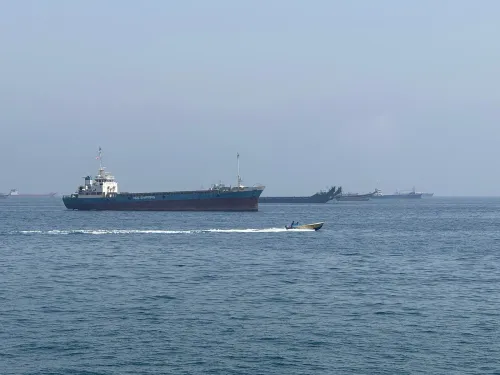
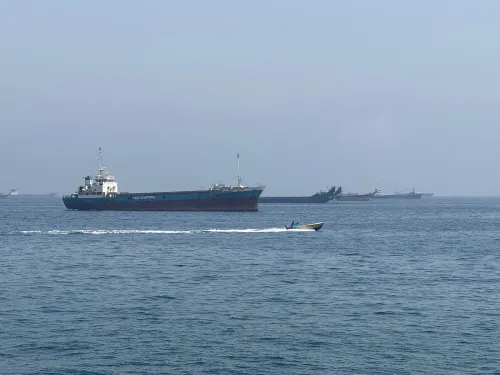
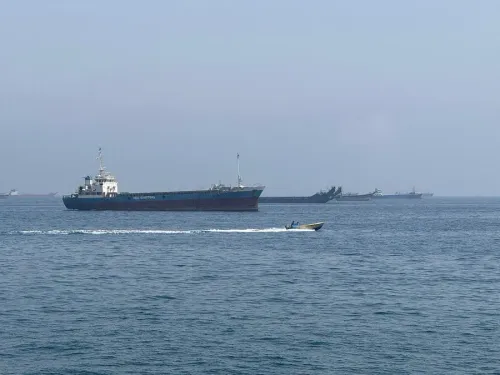
Iran struck an ADNOC tanker transiting the Strait of Hormuz on 8 August .
The UAE Ministry of Foreign Affairs condemned the attack as an 'act of piracy' by the IRGC and a violation of UN Security Council Resolution 2817 .
The UAE demanded Iran immediately cease hostile acts and unconditionally reopen the Strait to international shipping.
Iranian President Masoud Pezeshkian defended ongoing diplomatic negotiations with the United States but warned Iran has 'no obligation to continue' if the US fails to honour its commitments.
Iran and the US signed an MoU in June mandating negotiations within 60 days ; the tanker strike has put those talks in serious doubt.
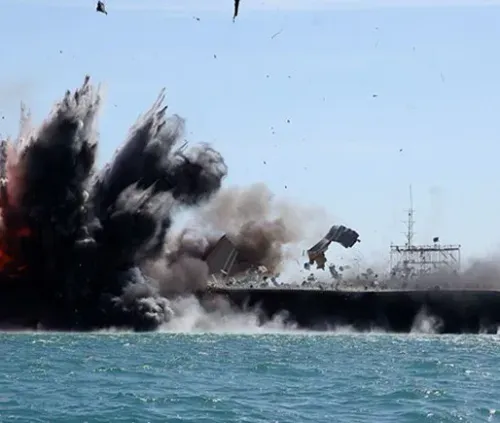
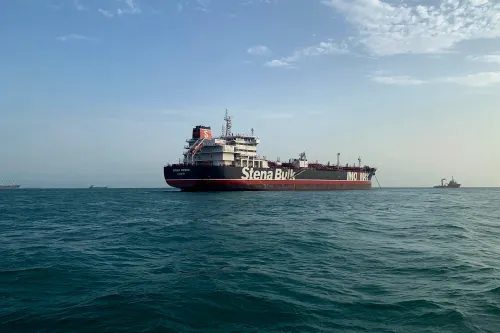
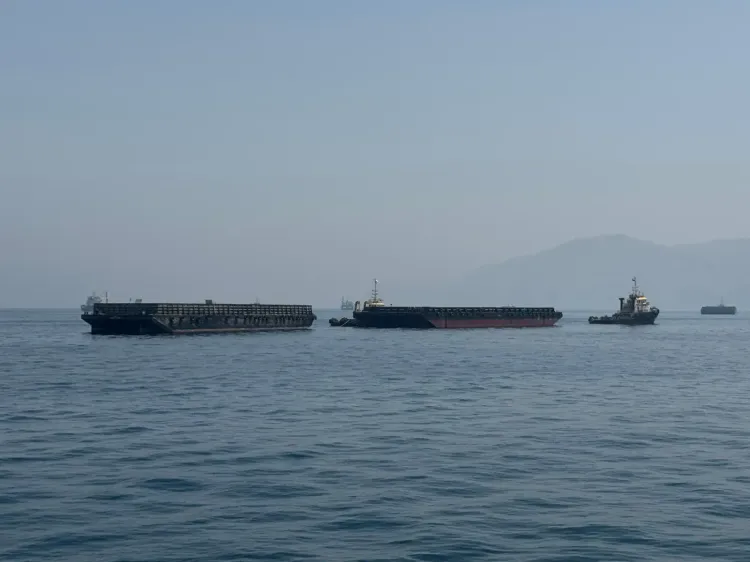
The United Arab Emirates (UAE) on Saturday, 8 August formally condemned a missile strike by Iran on an Abu Dhabi National Oil Company (ADNOC) tanker as the vessel transited the Strait of Hormuz, calling it a direct threat to regional stability and global energy security. The attack has sharply escalated tensions in one of the world's most critical maritime chokepoints.
UAE Calls Attack 'Act of Piracy'
The UAE Ministry of Foreign Affairs, in an official statement, described the strike as a flagrant violation of UN Security Council Resolution 2817, which upholds freedom of navigation and prohibits targeting commercial vessels or disrupting international maritime routes.
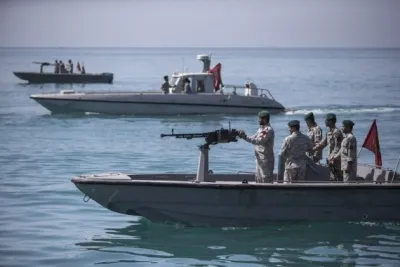
The Ministry went further, labelling the action an 'act of piracy' by the Iranian Revolutionary Guard Corps (IRGC). 'Targeting commercial shipping and using the Strait of Hormuz as a tool for economic pressure or blackmail constitutes an act of piracy by the IRGC and poses a direct threat to the stability of the region and its people, as well as to global energy security,' the statement read.
ADNOC, the state-owned oil company of Abu Dhabi, is among the largest oil producers in the world by output. An attack on one of its tankers in the Strait of Hormuz — through which roughly 20% of the world's oil supply passes — carries significant implications for global crude markets.
UAE Demands Full Reopening of the Strait
The UAE called on Iran to immediately cease what it termed 'aggressive attacks,' demanding full compliance with a halt on all hostile acts and the unconditional reopening of the Strait of Hormuz to international shipping. The statement underscored Abu Dhabi's position that the waterway must not be weaponised for geopolitical leverage.
This is not the first time the Strait of Hormuz has been at the centre of Iranian maritime confrontations. The IRGC has a documented history of seizing and harassing commercial tankers in the region, particularly during periods of heightened US-Iran tension.
Iranian President Defends Negotiations, Warns of Limits
Meanwhile, Iranian President Masoud Pezeshkian sought to project a dual posture — openness to dialogue while rejecting what he characterised as coercion. In an interview published on the official website of his office on Friday, Pezeshkian defended Tehran's decision to enter negotiations with Washington and sign a memorandum of understanding (MoU) on ending the war.
'Wherever they fail to fulfil their commitment, we have no obligation to continue,' Pezeshkian said, signalling that Iran's participation in the diplomatic process is conditional. He added that Iran remains committed to its obligations as long as the United States upholds its side of the agreement.
US-Iran MoU Under Strain
In June, Iran and the United States signed an MoU under which both sides were to hold negotiations within a 60-day window to reach a final agreement. However, the fresh hostilities in the Strait of Hormuz have cast serious doubt over the diplomatic track, with the fate of those talks now uncertain.
The timing of the tanker strike — amid an active diplomatic process — raises pointed questions about whether hardline elements within Iran's security establishment are operating independently of, or in deliberate tension with, the Pezeshkian government's stated diplomatic objectives.
What Happens Next
The international community, including major oil-importing nations and Western powers, is expected to closely monitor developments in the Strait of Hormuz. Any prolonged disruption to tanker traffic through the waterway could trigger a spike in global crude prices. Diplomatic pressure on Tehran is likely to intensify, while the future of the US-Iran MoU negotiations remains on a knife's edge.
Point of View
Not instead of, negotiations. The more troubling signal is the timing: an active MoU with Washington, a 60-day negotiation window already under way, and yet a missile strike on a commercial vessel in the world's most watched chokepoint. Either Pezeshkian does not control the IRGC, or the strike is a deliberate pressure tactic. Neither reading is reassuring. For global energy markets, the Strait of Hormuz is not an abstraction — and a pattern of targeted tanker strikes, if left unchallenged, sets a dangerous precedent for state-sanctioned disruption of international shipping.
NationPress
22 Sept 2026
Frequently Asked Questions
What happened to the ADNOC tanker in the Strait of Hormuz?
An ADNOC tanker was struck by Iran while transiting the Strait of Hormuz on 8 August. The UAE condemned the attack as an 'act of piracy' by the IRGC and a violation of UN Security Council Resolution 2817.
What is the Strait of Hormuz and why does it matter?
The Strait of Hormuz is a narrow waterway between Iran and Oman through which roughly 20% of the world's oil supply passes. Any disruption to tanker traffic there can have immediate consequences for global crude prices and energy security.
What did the UAE demand from Iran after the attack?
The UAE called on Iran to immediately cease all hostile acts and unconditionally reopen the Strait of Hormuz to international shipping. It also cited the attack as a violation of UN Security Council Resolution 2817, which protects freedom of navigation.
What is the US-Iran MoU and how does the attack affect it?
Iran and the United States signed a memorandum of understanding in June, committing both sides to hold negotiations within 60 days toward a final agreement. The tanker strike has cast serious doubt over the diplomatic process, with Iranian President Pezeshkian warning that Iran's commitments are conditional on US compliance.
Who is Masoud Pezeshkian and what is his position on the tensions?
Masoud Pezeshkian is the President of Iran. He has publicly defended Tehran's decision to pursue dialogue with Washington and sign the MoU, while also warning that Iran will not be forced to surrender and will withdraw from its commitments if the US fails to honour its side of the agreement.