Strait of Hormuz tanker hit by projectile amid US-Iran ceasefire breakdown
Synopsis
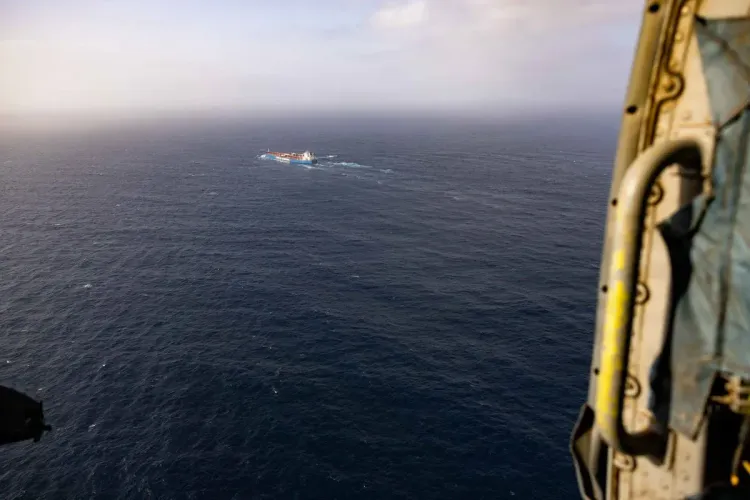
A tanker took a projectile hit in the Strait of Hormuz on 26 June — the second major maritime incident in as many days — as the US-Iran ceasefire unravelled. With CENTCOM having already struck Iranian missile sites in retaliation for the M/V Ever Lovely drone attack, the world's most critical oil chokepoint is once again at the centre of a live military standoff.
Key Takeaways
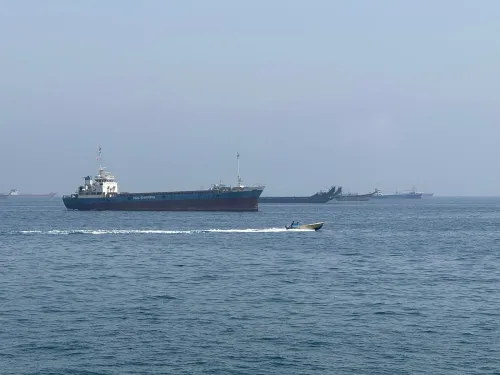
A tanker was struck by an unidentified projectile in the Strait of Hormuz on 26 June , damaging its bridge; all crew reported safe.
UKMTO issued a caution advisory urging vessels to transit carefully and report suspicious activity.
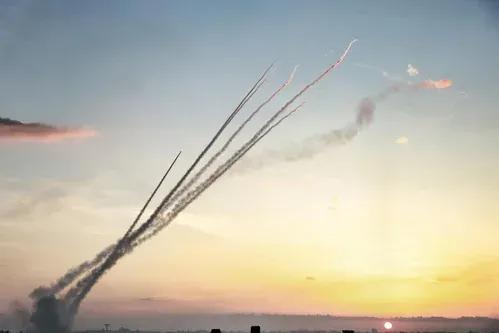
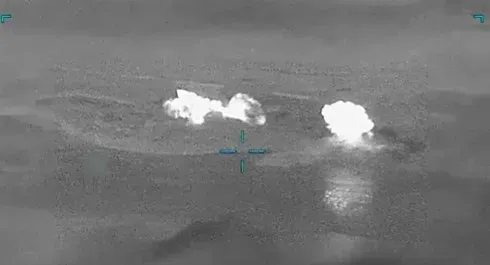
US Central Command (CENTCOM) conducted airstrikes on Iranian missile, drone storage, and coastal radar sites on 26 June in response to Iran's attack on M/V Ever Lovely the previous day.
US President Donald Trump accused Iran of launching at least four one-way attack drones at commercial ships, calling it a ceasefire violation.
The Strait of Hormuz handles an estimated 20% of global oil supplies, making any sustained disruption a major risk for energy markets.
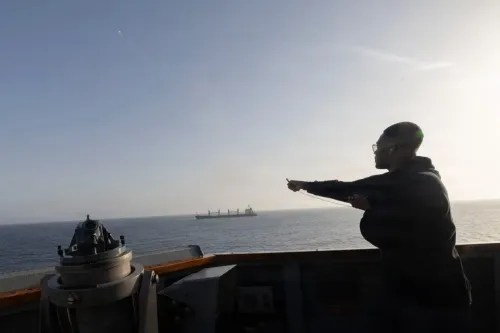
A tanker was struck by an unidentified projectile in the Strait of Hormuz on Saturday, 26 June, sustaining damage to its bridge while all crew members were reported safe, according to a maritime alert issued by the United Kingdom Maritime Trade Operations (UKMTO). The incident follows a rapid escalation between the United States and Iran that has thrown a freshly agreed ceasefire into serious doubt.
What UKMTO Reported
In its alert, UKMTO stated: 'The Master of Tanker has reported being struck by an unidentified projectile. The vessel sustained damage to their bridge; all crew are reported safe. No environmental damage reported at present.' The agency advised all vessels to 'transit with caution and report any suspicious activity to UKMTO' while authorities investigate the incident.
Background: US Airstrikes Follow Iranian Drone Attack
The latest incident comes less than 24 hours after US Central Command (CENTCOM) conducted airstrikes against Iran on 26 June, targeting Iranian missile and drone storage sites as well as coastal radar installations. The strikes were a direct response to Iran's attack on the Singapore-flagged cargo vessel M/V Ever Lovely on 25 June, when the ship was struck by a one-way attack drone while exiting the Strait of Hormuz along the Omani coast.
CENTCOM described the US strikes as 'a powerful response to yesterday's attack on a commercial ship that was transiting the Strait of Hormuz,' adding that the Iranian attack on the merchant vessel 'clearly violated the ceasefire.'
Trump Accuses Iran of Ceasefire Violation
US President Donald Trump on Friday accused Iran of violating the ceasefire agreement between the two nations, stating that Tehran had launched 'at least four one-way attack drones at commercial ships transiting the Strait of Hormuz.' In a post on Truth Social, Trump wrote: 'One of the drones solidly hit the upper deck of a large and very expensive cargo-carrying ship.'
The ceasefire, reached earlier in the week, was Washington's first formal de-escalation arrangement with Tehran in the current cycle of hostilities. Its apparent breakdown marks a significant setback for diplomatic efforts in the region.
Why the Strait of Hormuz Matters
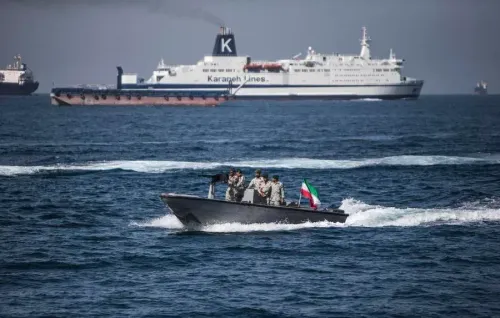
The Strait of Hormuz is one of the world's most critical maritime chokepoints, through which an estimated 20% of global oil supplies transit daily. Any sustained disruption to shipping in the strait carries immediate consequences for global energy markets and supply chains. This is not the first time commercial vessels have been targeted in the strait — a pattern of attacks on merchant shipping in the region has persisted intermittently since 2019, raising long-term concerns about freedom of navigation.
What Happens Next
Authorities are actively investigating the latest projectile strike. With the ceasefire now under severe strain and US military forces having already conducted retaliatory strikes, the risk of further escalation in the strait remains elevated. Shipping operators and international maritime bodies are expected to issue updated advisories in the coming hours.
Point of View
At best, a pause — not a settlement. Washington's decision to strike Iranian missile and radar sites is its most direct military engagement in the strait in years, and Iran has not yet formally responded to those strikes. The deeper problem is structural: the Strait of Hormuz has no credible enforcement mechanism for commercial shipping protection, and each cycle of attack-and-retaliation raises the insurance and transit costs that ultimately land on global energy consumers. If this escalation continues, the ceasefire framework will be effectively dead before it was ever operationalised.
NationPress
26 Sept 2026
Frequently Asked Questions
What happened to the tanker in the Strait of Hormuz on 26 June?
A tanker was struck by an unidentified projectile in the Strait of Hormuz on 26 June, sustaining damage to its bridge. All crew members were reported safe and no environmental damage was recorded, according to a UKMTO advisory.
What is UKMTO and why did it issue a warning?
The United Kingdom Maritime Trade Operations (UKMTO) is a maritime security body that monitors and issues alerts for vessels operating in the Gulf region. It issued a caution advisory following the projectile strike, urging ships to transit with care and report any suspicious activity while authorities investigate.
Why did the United States carry out airstrikes on Iran on 26 June?
US Central Command conducted airstrikes on Iranian missile and drone storage sites and coastal radar installations on 26 June in direct retaliation for Iran's drone attack on the Singapore-flagged cargo vessel M/V Ever Lovely on 25 June. CENTCOM stated the Iranian attack 'clearly violated the ceasefire.'
What did President Trump say about Iran's ceasefire violation?
President Donald Trump stated that Iran launched at least four one-way attack drones at commercial ships transiting the Strait of Hormuz, calling it a violation of the ceasefire agreement reached earlier in the week. He noted that one drone 'solidly hit the upper deck of a large and very expensive cargo-carrying ship.'
Why does the Strait of Hormuz matter for global trade?
The Strait of Hormuz is a critical maritime chokepoint through which approximately 20% of the world's daily oil supplies pass. Disruptions to shipping in the strait have immediate knock-on effects for global energy prices and supply chains, making security in the region a matter of international economic concern.