US strikes Iran after Hormuz drone attack on cargo ship
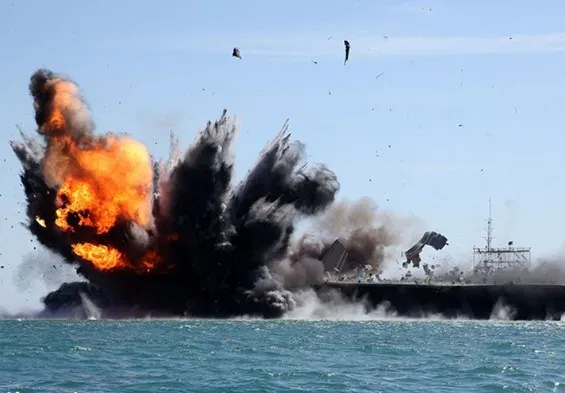
Synopsis
Days after a ceasefire was agreed, the US-Iran standoff reignited over the Strait of Hormuz. A single Iranian drone that struck the M/V Ever Lovely triggered US airstrikes on Iranian missile and radar sites — and now the fragile framework meant to prevent war is under its first and most serious test.
Key Takeaways
The US struck Iranian missile, drone storage, and coastal radar sites on 26 June in retaliation for a drone attack on the M/V Ever Lovely .
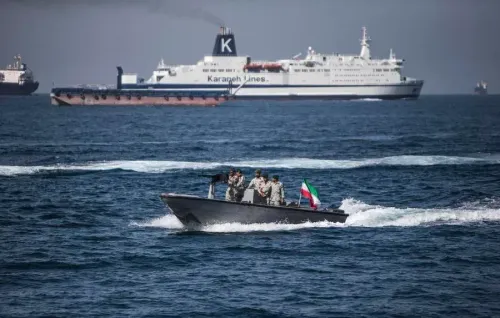
Iran launched four one-way attack drones at ships in the Strait of Hormuz on 25 June ; US forces intercepted three , the fourth hit the cargo vessel.
CENTCOM called the attack a clear violation of the recently agreed US-Iran ceasefire .
The US strikes reportedly lasted approximately 90 minutes , according to officials cited by The New York Times .
Iran's IRGC warned of a 'strong response' to any further US action, according to The Wall Street Journal .
The ceasefire framework was designed to reopen the strait and initiate talks on Iran's nuclear programme .
The United States launched targeted airstrikes against Iranian military installations on 26 June after Tehran deployed a one-way attack drone against a Singapore-flagged commercial cargo vessel in the Strait of Hormuz, marking Washington's first direct military action since both nations agreed to a ceasefire earlier that week. The strikes represent a sharp escalation in a fragile diplomatic arrangement that had only just taken hold.
What CENTCOM Struck and Why
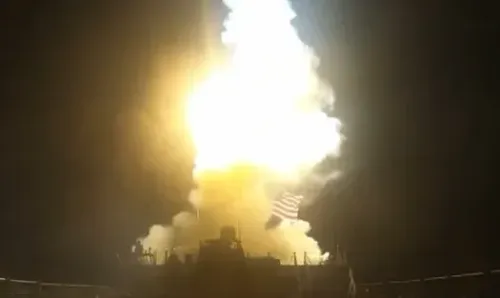
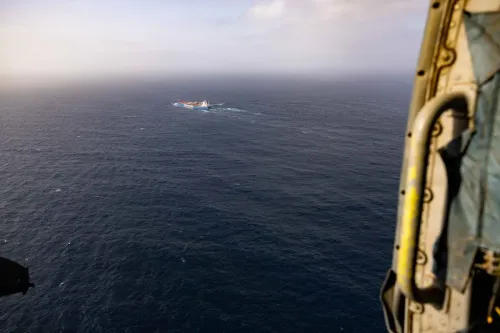
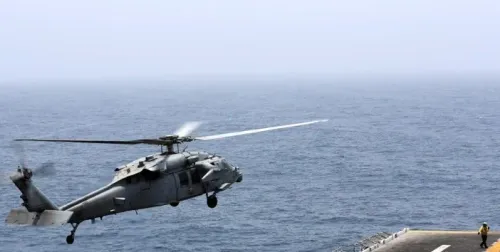
US Central Command (CENTCOM) confirmed that American aircraft targeted Iranian missile and drone storage facilities as well as coastal radar installations in retaliation for the drone strike on the M/V Ever Lovely on 25 June. The vessel was transiting the strait along the Omani coast when it was hit.
'CENTCOM forces conducted strikes against Iran, June 26, as a powerful response to yesterday's attack on a commercial ship that was transiting the Strait of Hormuz,' the command said in an official statement. CENTCOM further characterised the assault on the merchant vessel as a clear violation of the ceasefire agreement, adding that Iran's 'dangerous behaviour undermined freedom of navigation as commerce increasingly flows through the vital international trade corridor.'
Trump's Warning and Social Media Post
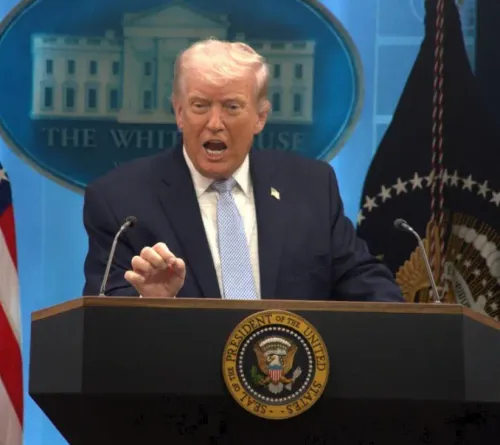
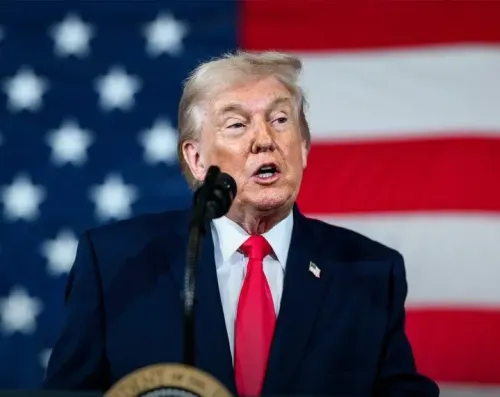
Hours before the strikes were carried out, President Donald Trump publicly criticised Tehran's actions. 'I don't like the fact that they took a shot yesterday,' Trump told reporters at the Oval Office. 'They shouldn't be doing that. You'll find out.'
Earlier, Trump had written on social media that Iran launched four one-way attack drones at ships in the strait, of which US forces intercepted three while the fourth struck the cargo ship. 'Obviously, this is a foolish violation of our Ceasefire Agreement,' he wrote.
Iran's Response and Counterclaims
Tehran did not immediately acknowledge responsibility for the drone attack on the Ever Lovely. However, according to The Wall Street Journal, citing Iranian state media, projectiles struck a telecommunications tower in Sirik, a port overlooking the Strait of Hormuz, following the US retaliation.
Iran's Islamic Revolutionary Guard Corps (IRGC) warned that 'any new folly will be met with a strong response that will shatter the illusions of the aggressors in the region,' according to the same report. Separately, The Washington Post reported that the IRGC claimed it had thwarted part of the US operation and forced American forces to retreat, though no immediate confirmation came from the US military.
According to The New York Times, citing officials familiar with the operation, the US strikes lasted approximately 90 minutes and were intended as a retaliatory measure rather than a resumption of full-scale combat.
The Ceasefire at Risk
The exchange comes only days after Washington and Tehran agreed to halt hostilities following weeks of military confrontation. The ceasefire framework called for an end to military operations, the reopening of the Strait of Hormuz, and the start of negotiations on Iran's nuclear programme and other outstanding issues.
The drone strike on the Ever Lovely and the subsequent US retaliation now cast serious doubt on the durability of that agreement. CENTCOM stated it would continue coordinating safe passage for commercial vessels through the strait and that the US military 'remains present and vigilant to ensure all aspects of the agreement with Iran are adhered to, obeyed, and in full force and effect.' Whether the ceasefire can survive this breach will depend on what diplomatic back-channels, if any, remain active between the two sides.
Point of View
The signals from Tehran are contradictory. The US response — targeted, time-limited, aimed at infrastructure rather than personnel — appears calibrated to punish without triggering a full restart of hostilities, but that calibration only holds if Iran reads it the same way. The Strait of Hormuz carries roughly 20% of global oil trade; every hour of uncertainty in that corridor has a price, and markets will price it before diplomats resolve it.
NationPress
25 Sept 2026
Frequently Asked Questions
Why did the US strike Iran on 26 June?
The US struck Iranian military targets on 26 June in direct retaliation for Iran's drone attack on the M/V Ever Lovely, a Singapore-flagged cargo ship transiting the Strait of Hormuz on 25 June. CENTCOM described the attack on the commercial vessel as a clear violation of the recently agreed ceasefire between Washington and Tehran.
What is the M/V Ever Lovely and what happened to it?
The M/V Ever Lovely is a Singapore-flagged commercial cargo ship that was struck by an Iranian one-way attack drone on 25 June while exiting the Strait of Hormuz along the Omani coast. According to President Trump, Iran launched four drones at ships in the strait; US forces intercepted three, and the fourth hit the Ever Lovely.
What did CENTCOM target in the strikes?
US Central Command said its aircraft struck Iranian missile and drone storage locations as well as coastal radar sites. The strikes lasted approximately 90 minutes, according to The New York Times, and were described by US officials as a retaliatory measure rather than a resumption of major combat operations.
How does this affect the US-Iran ceasefire?
The ceasefire, agreed just days before the incident, called for a halt to military operations, the reopening of the Strait of Hormuz, and the start of nuclear negotiations. The drone attack on the Ever Lovely and the subsequent US airstrikes have raised serious questions about whether the agreement can hold, with Iran's IRGC warning of retaliation for any further US action.
What has Iran said about the US strikes?
Iran did not immediately acknowledge responsibility for the drone attack on the Ever Lovely. According to The Wall Street Journal, citing Iranian state media, projectiles struck a telecommunications tower in Sirik after the US retaliation. The IRGC warned that 'any new folly will be met with a strong response,' and The Washington Post reported that Iran claimed to have partially thwarted the US operation, though the US military did not confirm this.