CM Revanth Reddy Orders World-Class Khelo India 2026 Prep
Synopsis
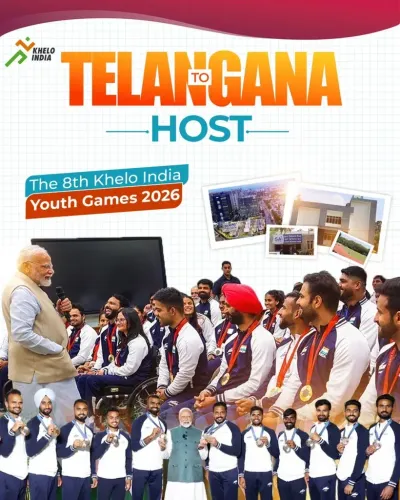
Chief Minister Revanth Reddy chaired a high-level review at Hyderabad's MCR HRD Institute on August 11, 2026, directing officials to prepare Hyderabad's stadiums permanently for the Khelo India Youth Games 2026, covering 20 sports disciplines with a December target.
Key Takeaways
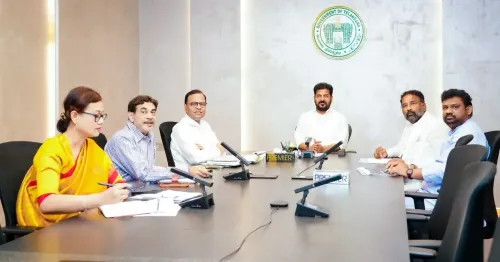
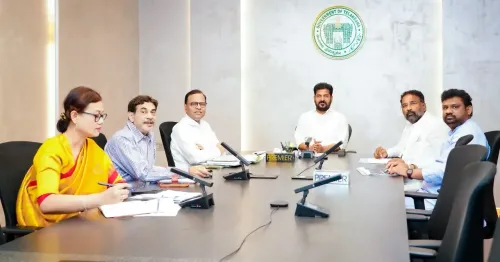
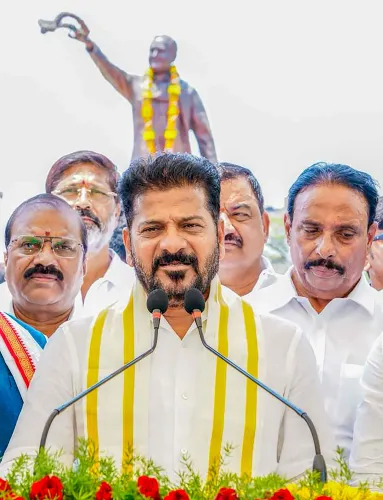
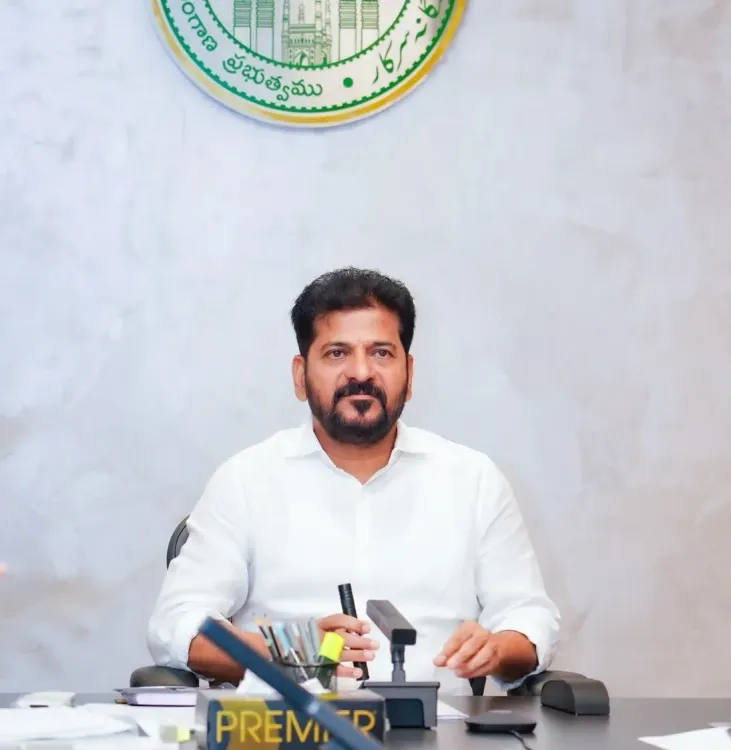
CM Revanth Reddy chaired a Khelo India Youth Games 2026 review on August 11, 2026 at the Bodhi Pavilion, MCR HRD Institute, Hyderabad .
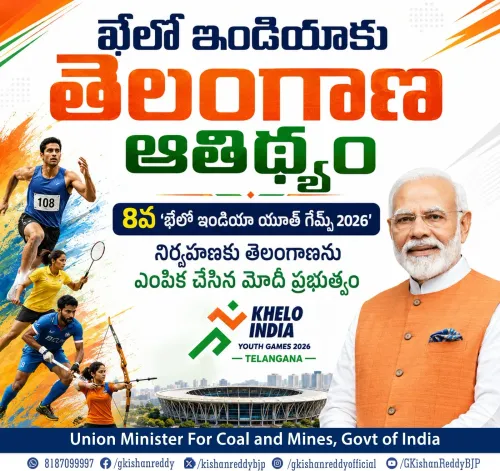
The games will cover 20 sports disciplines and are targeted for December 2026 .
The CM ordered permanent infrastructure upgrades to Hyderabad's stadiums, with state funding committed.
Officials were directed to begin outreach for Arjuna awardees, Olympic Association representatives, and film personalities for the opening and closing ceremonies.
The Sports Authority of Telangana Government (SATG) and senior bureaucrats including Special Chief Secretary Jayesh Ranjan are leading coordination.
Telangana joins states like Haryana and Tamil Nadu in using the Khelo India rotation to drive long-term sports infrastructure investment.
Telangana is gearing up to put its sporting credentials on the national stage. Chief Minister Revanth Reddy on Tuesday, August 11, 2026, directed senior officials to prepare for the Khelo India Youth Games 2026 with the highest standards of organisation, signalling that Hyderabad intends to make this edition a landmark in the competition's history.
The Bodhi Pavilion briefing and what was decided
The Chief Minister chaired a detailed review meeting at the Bodhi Pavilion, MCR HRD Institute, Hyderabad, alongside Sports Minister Vakiti Srihari and a room full of senior bureaucrats. The session covered logistics, venue readiness, and ceremonial planning — a signal that the state is treating this not as a routine government event but as a prestige project. The CM made clear: preparations for a December 2026 competition window must begin immediately.
Among those present were Government Adviser K. Ramakrishna Rao, Sports Authority of Telangana Government (SATG) Chairman, Special Chief Secretary Jayesh Ranjan, and SATG Managing Director A. Sonibala Devi — a line-up that underlines the bureaucratic weight the state is throwing behind the event.
20 sports, permanent stadiums, and the infrastructure push
The games will feature competitions across 20 sports disciplines. Revanth Reddy instructed officials to identify and assign specific venues for each sport and to assess the current condition of Hyderabad's existing stadiums. Crucially, he directed that upgrades be made on a permanent basis — not temporary cosmetic fixes — with the state government committing to release the necessary funds. This is the core of what makes hosting a Khelo India edition attractive: central-scheme momentum combined with state capital expenditure that outlasts the games themselves.
The broader logic is well-established across Indian sports policy. Since the Khelo India scheme's launch in 2017 by the Union Ministry of Youth Affairs and Sports, host states have consistently leveraged the event to unlock infrastructure upgrades and talent pipelines. Haryana and Tamil Nadu set recent precedents in the 2024–2025 cycle. Telangana is now in that rotation — and the CM's insistence on permanent infrastructure signals an ambition beyond a one-time hosting credit.
Arjuna awardees, film stars, and the opening-ceremony pitch
Revanth Reddy asked officials to begin outreach immediately for the opening and closing ceremonies, targeting Arjuna Award recipients from Telangana, members of the Telangana Sports Hub Board, representatives of the Olympic Association, and national-level sports figures — alongside prominent film personalities. The instruction to start this groundwork now, months ahead of a December event, reflects an understanding that marquee names require long lead times. The CM wants the games to 'reflect the spirit of sport,' in his words — which means the spectacle around the competition matters as much as the competition itself.
Officials were also told to divide responsibilities clearly across three domains: infrastructure development, event management, and guest hospitality. No single bottleneck. Each vertical owns its brief.
Point of View
Hosting a national youth games edition also carries political dividend: it elevates CM Revanth Reddy's profile on sports governance ahead of the state's infrastructure narrative. The early mobilisation of Arjuna awardees and national sports bodies into ceremonial roles suggests the state is managing optics as carefully as logistics. The real test will be whether the December 2026 timeline holds and the promised permanent infrastructure actually materialises.
NationPress
12 Aug 2026
Frequently Asked Questions
When will Khelo India Youth Games 2026 be held in Hyderabad?
The Telangana government is targeting December 2026 for the Khelo India Youth Games, with CM Revanth Reddy directing officials to begin preparations immediately for that window.
How many sports will be part of Khelo India Youth Games 2026?
The 2026 edition will feature competitions across 20 sports disciplines , with specific venues in Hyderabad to be assigned for each sport.
What is the Khelo India scheme?
The Khelo India scheme was launched in 2017 by India's Ministry of Youth Affairs and Sports to promote grassroots sports development and identify talent across the country, with states hosting annual youth games on a rotation basis.
What stadium upgrades is Telangana planning for Khelo India 2026?
CM Revanth Reddy has directed a review of all Hyderabad stadiums and ordered that upgrades be made on a permanent basis , with the state government committing to provide the necessary funds.
Who attended the Khelo India 2026 review meeting in Hyderabad?
The meeting at Bodhi Pavilion, MCR HRD Institute was attended by Sports Minister Vakiti Srihari , Government Adviser K. Ramakrishna Rao , Special Chief Secretary Jayesh Ranjan , and SATG MD A. Sonibala Devi , among other senior officials.