South Korea Approves Major Prosecution Reforms to Restructure Criminal Investigations

Synopsis
In a landmark decision, South Korea has approved two pivotal bills aimed at overhauling its prosecution system. This reform is set to dismantle the existing prosecution service and establish new agencies for indictment and investigation, addressing long-standing criticisms of political misuse of prosecutorial power.
Key Takeaways
Two new agencies will separate indictment and investigation roles.
The prosecution office will be abolished in October 2023.
New agency will tackle serious crimes like corruption and drug offenses.
Reform aims to prevent political misuse of prosecutorial power.
Opposition warns of potential political influence on investigations.
Seoul, March 24 (NationPress) South Korea has taken a significant step forward by approving two key reform bills aimed at transforming the prosecution landscape. These bills, which will dismantle the existing prosecution service by the end of the year, seek to divide its exclusive powers to initiate criminal investigations and indict suspects.
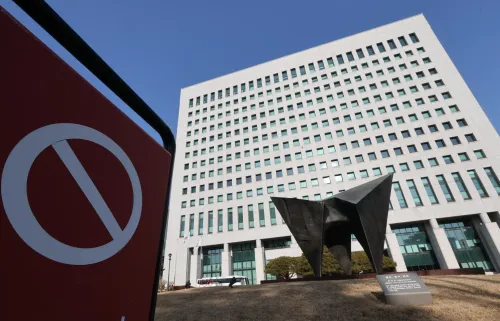
Upon implementation, this reform will represent a major transformation in the nation's prosecution framework. The prosecution office is scheduled to close in October, marking the end of its 78-year existence since its inception in 1948. Two new agencies will be created to manage indictment and investigative functions separately.
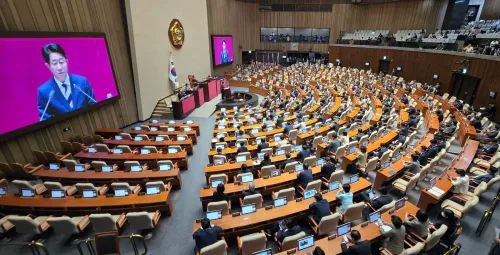
The legislation facilitating the creation of the serious crimes investigation agency and the indictment agency was championed by the ruling Democratic Party (DP) and passed in a National Assembly session last week, which was boycotted by the principal opposition party, the People Power Party (PPP), according to reports from the Yonhap news agency.
As per the new laws, the indictment agency will focus exclusively on indictments, while the investigative responsibilities will be assigned to the newly formed serious crimes investigation agency.
This new investigative body will operate under the Ministry of the Interior and Safety, taking charge of investigating six major crime categories, including corruption, economic crimes, defense industry-related offenses, and drug-related crimes.
The government has launched this initiative to separate prosecutorial authority amid persistent allegations of politically motivated investigations stemming from the prosecution's concentrated power.
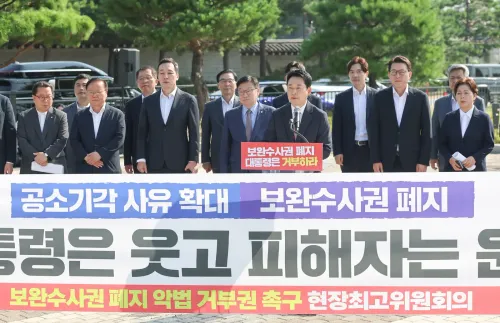
The DP argues that these reforms are essential to prevent potential political misuse of prosecutorial authority, while the PPP has cautioned that this could diminish oversight of investigators and heighten the likelihood of political interference.
Both new agencies are expected to commence operations following the disbandment of the prosecution office.
Point of View
It is essential to recognize the monumental shift occurring in South Korea's legal framework. The approved prosecution reform bills represent a critical response to ongoing concerns regarding the politicization of the judiciary. This initiative, driven by the ruling party, aims to enhance accountability while addressing fears of political influence. Observers will need to monitor the implementation closely to assess its impact on both justice and governance.
NationPress
22 Sept 2026
Frequently Asked Questions
What are the new prosecution reform bills in South Korea?
The new bills aim to dismantle the current prosecution service and create two separate agencies: one for indictments and another for serious criminal investigations.
When will the changes take effect?
The prosecution office is scheduled to be closed in October, marking a significant shift in the structure of legal authority in South Korea.
What major crimes will the new investigative agency handle?
The new agency will investigate six major crime categories, including corruption, economic offenses, defense industry crimes, and drug-related offenses.
Why are these reforms being implemented?
These reforms are intended to address criticisms of political abuse within the prosecution service and enhance accountability in the legal system.
What are the concerns raised by the opposition party?
The opposition party has expressed concerns that the reforms could weaken oversight of investigators and increase the risk of political influence in criminal cases.