Child labour in Islamabad: 1 in 4 households employs a child domestic worker
Synopsis
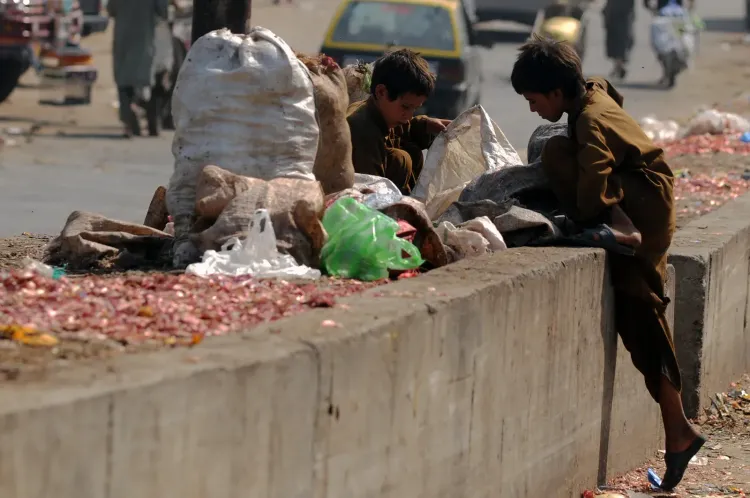
One in four households in Islamabad employs a child domestic worker — and with 26.2 million children out of school and education budgets shrinking, Pakistan's child labour crisis is deepening faster than its laws can respond. Advocates at a World Day Against Child Labour event warned that without enforceable implementation mechanisms, the legislation remains largely symbolic.
Key Takeaways
Every fourth household in Islamabad reportedly employs a child as a domestic worker, according to Sparc Executive Director Asiya Arif .
26.2 million children in Pakistan are currently out of school, including 3.4 million girls , per the government's own education report.
Pakistan's national education budget share has fallen from 13 per cent to 11 per cent , with Punjab and Sindh among provinces cutting allocations.
Only 19 per cent of Pakistani schools have digital tools; just 23 per cent have ramps for specially-abled students.
Lawmakers and civil society called for stronger enforcement of child labour laws, expanded social protection, and guaranteed access to quality education.
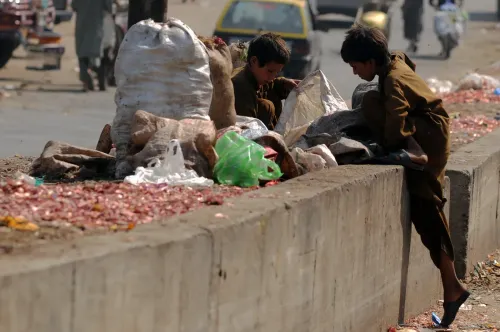
One in every four households in Islamabad, Pakistan's federal capital, reportedly employs a child as a domestic worker, according to remarks made at a high-level event marking World Day Against Child Labour 2026. The disclosure underscores a widening gap between Pakistan's legal framework on child domestic labour and its enforcement on the ground.
Key Disclosures at the Event
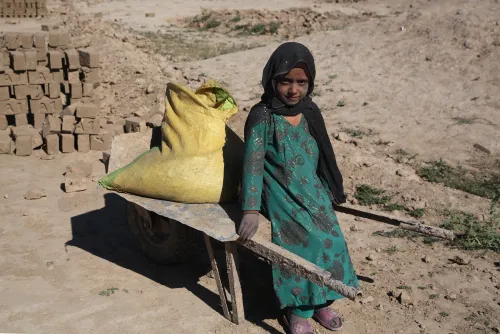
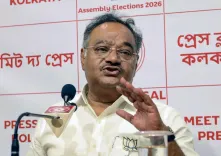
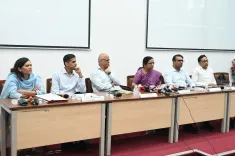
Asiya Arif, Executive Director of the Society for the Protection of the Rights of the Child (Sparc), made the alarming observation during an event co-organised by Sparc and the National Commission on the Rights of the Child (NCRC). She called for a collective 'red card' against child labour and urged action across multiple sectors — including supply chains, hotels, automobile workshops, and the brick kiln industry.
Arif stressed that ending child labour demands coordinated and sustained efforts through strong implementation mechanisms, expanded social protection, and guaranteed access to quality education in line with the Sustainable Development Goals (SDGs) and Article 16 of Pakistan's Constitution.
26.2 Million Children Out of School
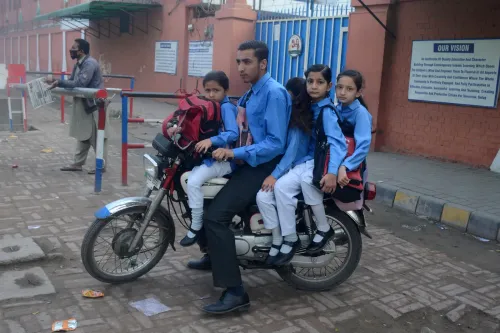
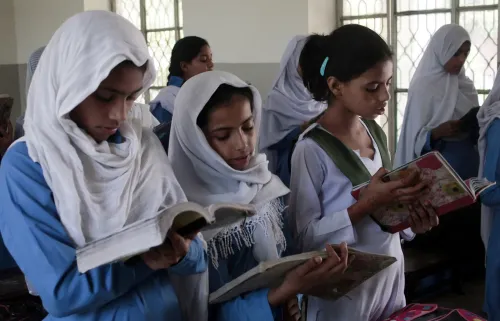
Arif cited a recent disclosure by Pakistan's Education Ministry that 26.2 million children are currently out of school — a figure that directly fuels child labour. This number was independently corroborated by the Federal Ministry of Education and Professional Training in its 'Girls' Education Statistics and Trends Report 2023-24', released in February, which noted that 3.4 million of those out-of-school children are girls.
The same report flagged a deterioration in education financing: Pakistan's national education budget share has declined from 13 per cent to 11 per cent, with major provinces including Punjab and Sindh reducing allocations. Only 19 per cent of schools are equipped with digital tools, and just 23 per cent have ramps for specially-abled students — with adequate assistive learning materials largely absent.
Lawmakers Call for Stronger Enforcement
Nikhat Shakeel Khan, convenor of the Parliamentary Caucus on Child Rights (PCCR), emphasised that eliminating child labour requires coordinated action spanning government, civil society, the private sector, and communities. She identified poverty, lack of access to quality education, and weak social protection systems as the root causes that must be addressed.
Shazia Sobia Aslam Soomro, a Member of Pakistan's National Assembly, called for stronger child protection mechanisms and rigorous enforcement of existing laws. She argued that children must be given safe environments and meaningful access to education rather than being compelled to work due to economic hardship.
A Systemic Failure in Plain Sight
The pattern emerging from these disclosures points to a systemic failure: legislation exists, but implementation remains, in the words of participants, 'far from satisfactory.' The report on girls' education noted that while provinces demonstrated 'reasonable execution capacity,' the declining prioritisation of education remains a key concern — a shift that directly correlates with rising child labour numbers.
With World Day Against Child Labour 2026 drawing renewed attention to Pakistan's child protection gaps, advocates are pressing for an enforceable national action plan with measurable timelines and independent monitoring.
Point of View
The two most populous provinces, is not a coincidence — it is a structural driver of child labour that policymakers have so far treated as a footnote. Until education financing is treated as a non-negotiable baseline rather than a discretionary line item, every World Day Against Child Labour event risks being a ritual of acknowledgement without accountability.
NationPress
13 Sept 2026
Frequently Asked Questions
How widespread is child domestic labour in Islamabad?
According to Sparc Executive Director Asiya Arif, every fourth household in Islamabad employs a child as a domestic worker. The remark was made at a World Day Against Child Labour 2026 event and highlights a significant gap between existing legislation and its enforcement.
How many children are out of school in Pakistan?
Pakistan's Education Ministry has disclosed that 26.2 million children are currently out of school. The Federal Ministry of Education's Girls' Education Statistics and Trends Report 2023-24 confirmed this figure, noting that 3.4 million of those children are girls.
Why is Pakistan's child labour problem getting worse?
Experts cite poverty, declining education budgets, and weak enforcement of child protection laws as the primary drivers. Pakistan's national education budget share has dropped from 13 per cent to 11 per cent, with major provinces reducing allocations — reducing the incentive for families to keep children in school.
What did Pakistani lawmakers say about child labour at the 2026 event?
Parliamentary Caucus on Child Rights convenor Nikhat Shakeel Khan called for coordinated action across government, civil society, and the private sector to address root causes including poverty and lack of education. National Assembly Member Shazia Sobia Aslam Soomro demanded stronger enforcement of existing child labour laws and safer environments for children.
Which sectors in Pakistan are most affected by child labour?
Sparc identified supply chains, hotels, automobile workshops, and the brick kiln industry as sectors where child labour is prevalent, in addition to domestic work within households. Advocates called for sector-specific enforcement mechanisms to address the issue comprehensively.