Punjab CMO Marks World Day Against Child Labour 2026
Synopsis
The Chief Minister's Office of Punjab observed World Day Against Child Labour on June 12, 2026, reaffirming commitment to ending child labour and ensuring every child's right to education. The annual ILO-established day spotlights India's legal frameworks — including the 2016 Child Labour Act amendment and the NCLP — and Punjab's ongoing rehabilitation efforts in agriculture and informal sectors.
Key Takeaways
World Day Against Child Labour is observed every year on June 12 , established by the ILO in 2002 .
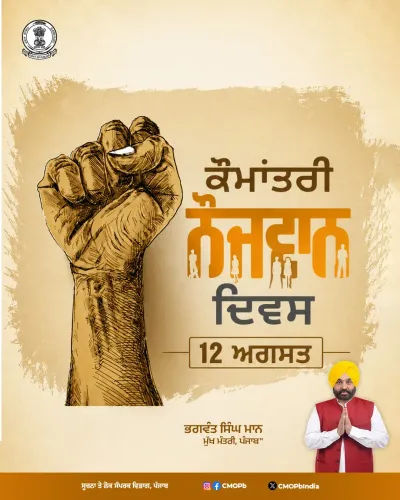
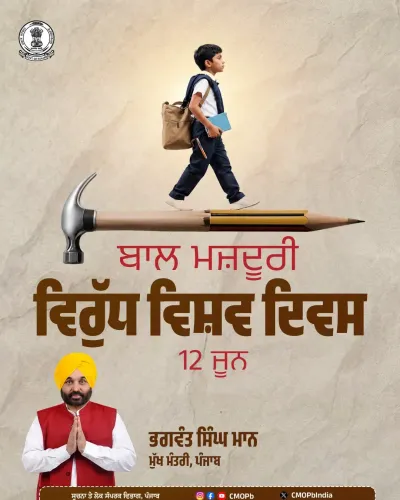
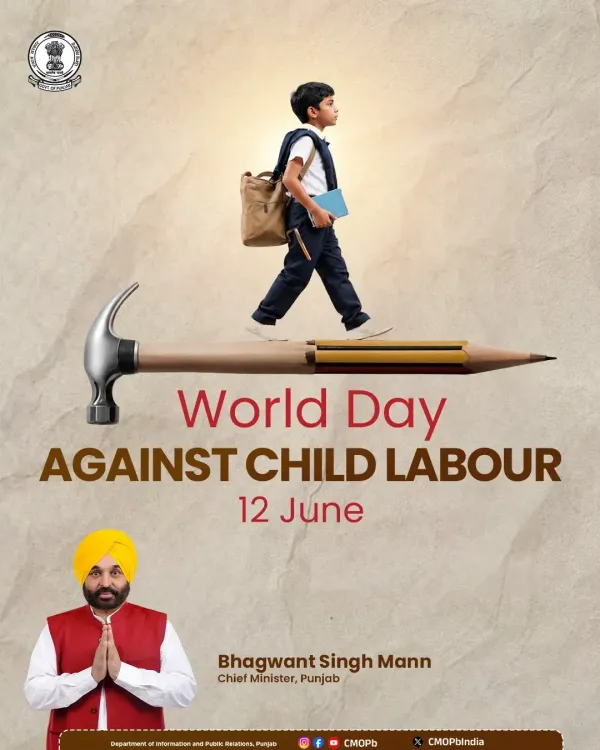
The Chief Minister's Office of Punjab marked the day on June 12, 2026 , with a bilingual post in English and Punjabi.
India ratified ILO Convention 182 in 2017 , committing to eliminating the worst forms of child labour.
The Child Labour (Prohibition and Regulation) Act , amended in 2016 , bans child employment under 14 in all sectors and under 18 in hazardous occupations.
The National Child Labour Project has been active in Punjab districts since the early 2000s , providing bridge education and rehabilitation to working children.
Effective elimination of child labour in Punjab depends on enforcement in agriculture, brick kilns, and informal manufacturing alongside school retention drives.
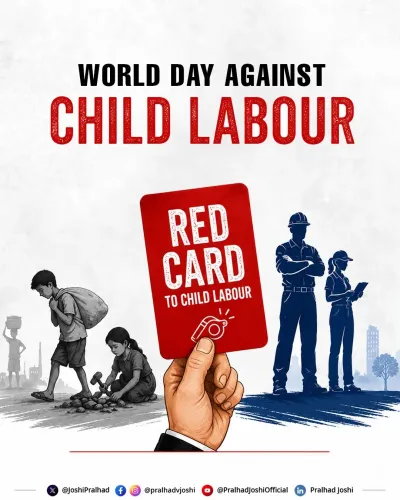
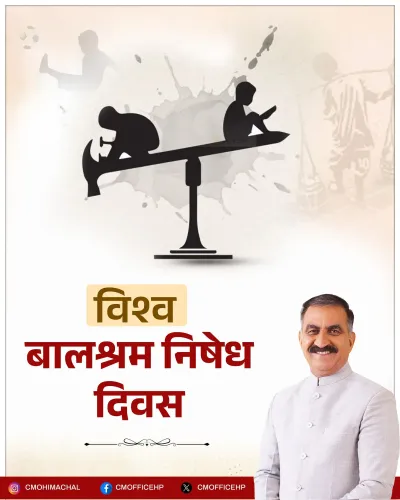
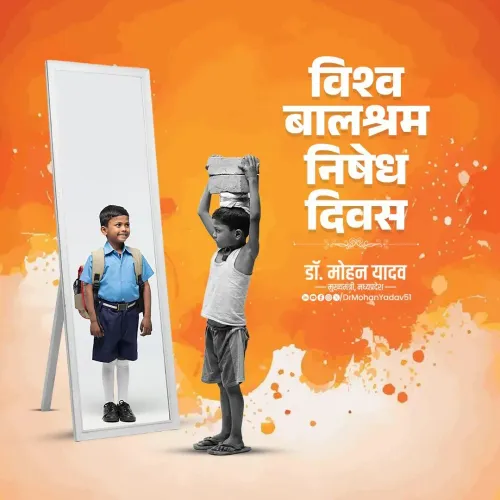
The Chief Minister's Office of Punjab on Friday, June 12, 2026, joined the global observance of World Day Against Child Labour, reaffirming the state's commitment to eliminating child labour and ensuring every child has access to education and a dignified childhood.
Context
World Day Against Child Labour is observed every year on June 12 to raise awareness about the need to prevent child labour and to advocate for education and a better childhood for every child. The post, shared in both English and Punjabi — ਬਾਲ ਮਜ਼ਦੂਰੀ ਵਿਰੁੱਧ ਵਿਸ਼ਵ ਦਿਵਸ (World Day Against Child Labour) — underlines the bilingual outreach of the state government to connect with communities across Punjab. The observance serves as an annual reminder of the urgent need to translate legal prohibitions into ground-level enforcement.
Policy Backdrop
The day was established by the International Labour Organization (ILO) in 2002 to spotlight the scale of child labour globally and to mobilise action through ILO Conventions C138 and C182. India ratified ILO Convention 182 — covering the worst forms of child labour — in 2017, committing to urgent elimination measures. Domestically, the Child Labour (Prohibition and Regulation) Act, 1986, substantially amended in 2016, bans employment of children under 14 in all sectors and those under 18 in hazardous occupations.
The National Child Labour Project (NCLP), operational since the 1990s, identifies child labourers and provides them bridge education, stipends, and pathways into formal schooling. The Right of Children to Free and Compulsory Education Act, 2009, which guarantees free schooling for children aged 6 to 14, remains a cornerstone of child labour prevention strategy by boosting enrolment and retention. Sarva Shiksha Abhiyan, launched in 2001, further reinforced universalisation of elementary education as a structural check on child labour.
Stakeholders and Impact
Punjab continues to report child labour in sectors such as agriculture, brick kilns, and informal manufacturing — sectors that draw children from economically vulnerable families. The NCLP has been implemented in identified Punjab districts since the early 2000s to rehabilitate working children and mainstream them into formal education. Annual observances like this one are critical moments for inter-departmental coordination between labour, education, and social welfare authorities at the state level.
Agricultural families, school-going children, and child labourers in informal industries are the primary stakeholders in any effective enforcement drive. Successive Indian governments have sought to align domestic law with ILO standards by pairing prohibition with rehabilitation and schooling incentives — a model that depends on consistent state-level implementation. The Punjab government's public messaging on this day reinforces its stated alignment with Sustainable Development Goal 8.7, which calls for the elimination of all forms of child labour by 2025.
What's Next
Attention will now turn to whether the observance is followed by concrete administrative action — including reviews of NCLP rehabilitation centres in Punjab and updates to district-level enforcement data. Release of updated national child labour survey data in the coming fiscal cycle will offer a clearer picture of progress. State-level budgetary or legislative action on school retention programmes and labour inspections will be the real measure of intent beyond the symbolic observance.
Point of View
Not merely a legislative one. The bilingual outreach in English and Punjabi signals an intent to communicate beyond urban audiences to rural communities where child labour is most prevalent. The real test will be whether this annual messaging translates into measurable increases in NCLP enrolments, labour inspections, and school retention rates in the current fiscal year.
NationPress
13 Sept 2026
Frequently Asked Questions
When is World Day Against Child Labour observed?
World Day Against Child Labour is observed every year on June 12 . It was established by the International Labour Organization (ILO) in 2002 to raise awareness about child labour and promote access to education for every child.
What laws protect children from child labour in India?
The primary law is the Child Labour (Prohibition and Regulation) Act, 1986 , amended significantly in 2016 , which bans employment of children under 14 in all occupations and those under 18 in hazardous sectors. The Right of Children to Free and Compulsory Education Act, 2009 complements this by guaranteeing free schooling for children aged 6 to 14 .
What is the National Child Labour Project and does it operate in Punjab?
The National Child Labour Project (NCLP) is a central government scheme that identifies child labourers and provides them bridge education, stipends, and support to join formal schools. It has been operational in identified Punjab districts since the early 2000s .
Has India signed international conventions against child labour?
Yes. India ratified ILO Convention 182 on the worst forms of child labour in 2017 , committing to urgent and time-bound elimination measures. India is also bound by ILO Convention 138 on minimum age for employment.
Why does child labour persist in Punjab despite legal prohibitions?
Child labour in Punjab persists largely in the informal economy — particularly agriculture, brick kilns, and small manufacturing — where enforcement is difficult and economic vulnerability pushes families to send children to work. Effective elimination requires combining legal prohibition with rehabilitation programmes, school retention incentives, and sustained labour inspections.