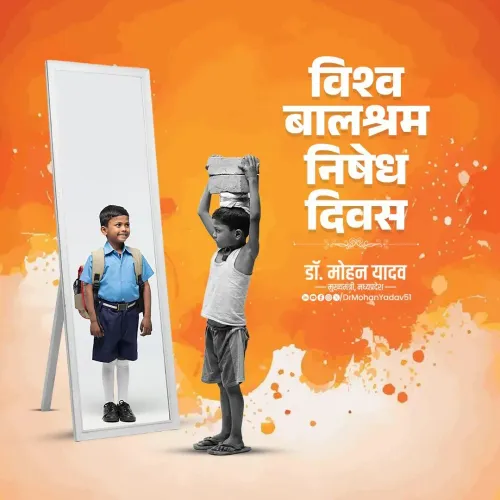
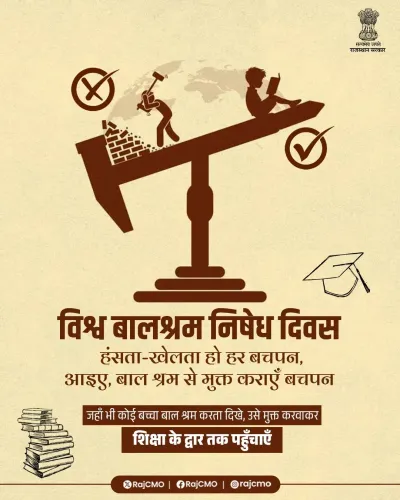
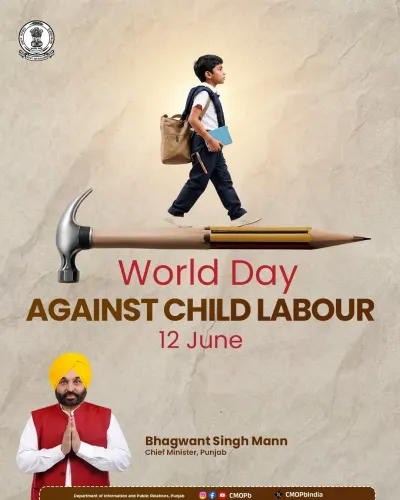
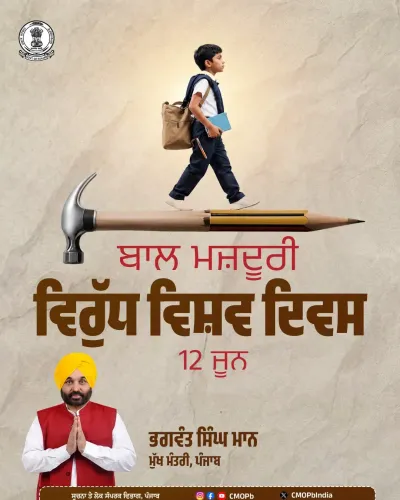
CM Yogi marks World Day Against Child Labour with rights pledge
Synopsis
On World Day Against Child Labour, UP Chief Minister Yogi Adityanath called for collective resolve to protect child rights, ensure every child has access to education, and provide a safe and dignified environment — anchoring the message in India's legal and constitutional framework on child welfare.
Key Takeaways
Yogi Adityanath posted on June 12, 2026 marking World Day Against Child Labour , calling education and safety every child's right.
The ILO designates June 12 each year as World Day Against Child Labour to drive global awareness and action.
India's Right to Education Act, 2009 guarantees free and compulsory education for children aged 6-14 under Article 21A .
The Child Labour (Prohibition and Regulation) Amendment Act, 2016 bans employment of children below 14 in all sectors and below 18 in hazardous occupations.
India ratified ILO Conventions 138 and 182 in 2017 , aligning domestic law with international child labour standards.
Uttar Pradesh has pursued state-level drives linking rescue operations and school enrolment campaigns under the current BJP government.
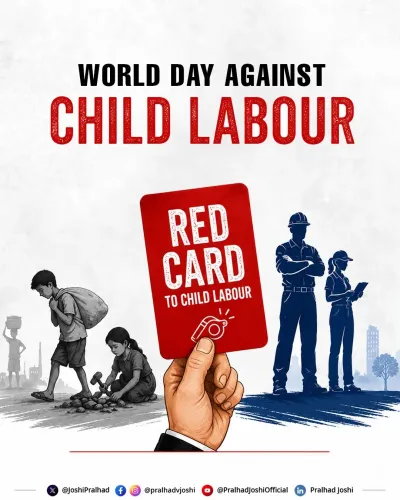
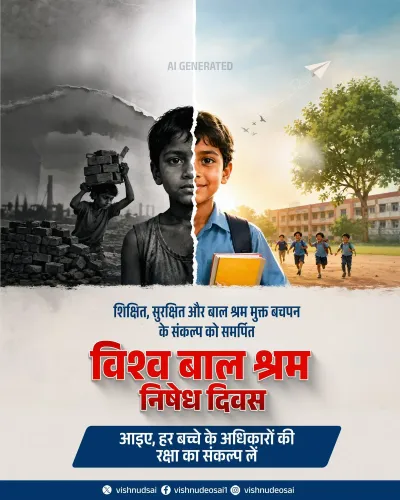
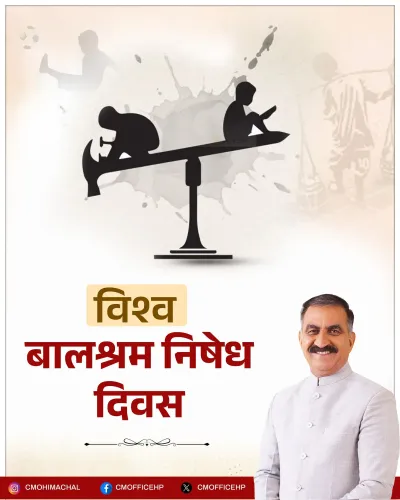
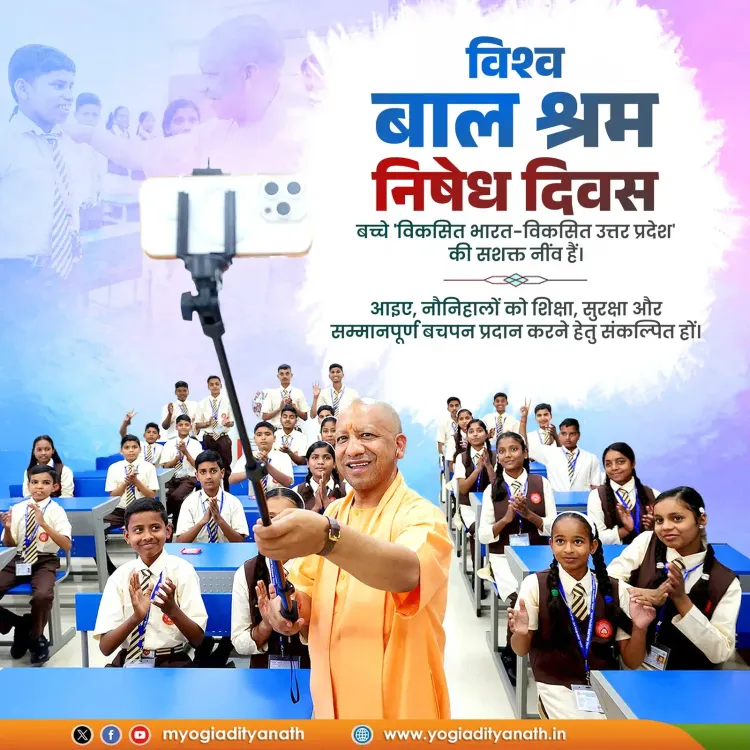
Uttar Pradesh Chief Minister Yogi Adityanath on Friday, June 12, 2026, marked World Day Against Child Labour by calling on citizens to commit to protecting child rights and ensuring every child has access to education and a dignified environment. The post, shared on his official X account, underscored that a book in every child's hand, a dream in every child's eye, and a safe environment to live in are both a child's right and society's duty.
Context
In the post, Yogi Adityanath wrote: 'हर बच्चे के हाथ में किताब, आंखों में सपना और जीने के लिए सुरक्षित वातावरण हो, यह उसका अधिकार और हमारा दायित्व है' ('Every child deserves a book in hand, a dream in the eye, and a safe environment to live in — this is their right and our responsibility'). He called on people to resolve, on the occasion of World Day Against Child Labour, to protect child rights and provide children with an educated and dignified environment.
June 12 is designated by the International Labour Organization (ILO) as World Day Against Child Labour, observed globally each year to raise awareness about the elimination of exploitative child labour and to promote children's access to quality education.
Policy Backdrop
India's legal framework on child labour and education has been substantially strengthened over the past two decades. The Right to Education Act, 2009 made free and compulsory education a fundamental right for children aged 6 to 14 under Article 21A of the Constitution. The Child Labour (Prohibition and Regulation) Amendment Act, 2016 extended the ban on child employment to all sectors for children below 14, and prohibited hazardous employment for those below 18.
India ratified ILO Convention 182 on the worst forms of child labour and ILO Convention 138 on minimum age of employment in 2017, aligning domestic law with international labour standards. The Juvenile Justice (Care and Protection of Children) Act was comprehensively amended in 2015 to further strengthen protections for vulnerable children.
Stakeholders and Impact
Uttar Pradesh, India's most populous state, has a significant stake in child welfare outcomes given its large school-age population. Under the BJP government led by Yogi Adityanath since 2017, the state has pursued drives combining rescue operations for working minors, school enrolment campaigns, and monitoring mechanisms aligned with national legislation.
The primary beneficiaries of these commitments are school-age children and working minors who remain outside the formal education system. Families in informal labour-dependent sectors, civil society organisations, and district-level administration are key actors in translating such pledges into ground-level outcomes.
What's Next
Observers will watch for concrete follow-through in the form of compliance audits under the Right to Education Act, fresh child labour survey data from the UP Labour Department or the Ministry of Labour and Employment, and updates on midday meal scheme coverage as a retention incentive. India's progress on SDG 8.7 — which targets the elimination of all forms of child labour — will also be a benchmark against which state-level actions are measured.
The broader pattern across Indian states suggests that political messaging on child welfare days carries weight primarily when backed by enforcement data and enrolment figures. Uttar Pradesh's performance on these indicators will shape the credibility of the commitment expressed today.
Point of View
Dreams, and safety as rights rather than privileges — draws directly from the language of the Right to Education Act and India's ILO commitments, signalling alignment with federal policy rather than a standalone state initiative. For Uttar Pradesh, where child labour and school dropout rates remain a governance challenge, such messaging carries both symbolic and political weight ahead of monitoring cycles. The real test will be in enforcement data and enrolment figures that follow the rhetoric.
NationPress
15 Sept 2026
Frequently Asked Questions
What is World Day Against Child Labour?
World Day Against Child Labour is observed every year on June 12 , designated by the International Labour Organization (ILO) to raise awareness about ending child labour globally and promoting children's access to education and safe environments.
What did CM Yogi Adityanath say on World Day Against Child Labour 2026?
Yogi Adityanath called for a collective resolve to protect child rights, stating that every child deserves a book in hand, a dream in the eye, and a safe environment — framing these as a child's right and society's responsibility.
What is India's law against child labour?
The Child Labour (Prohibition and Regulation) Amendment Act, 2016 bans employment of children below 14 in all occupations and below 18 in hazardous sectors, building on the original 1986 law.
Does India have a Right to Education law?
Yes. The Right to Education Act, 2009 makes free and compulsory elementary education a fundamental right for all children aged 6 to 14 under Article 21A of the Indian Constitution.
Has India signed ILO conventions on child labour?
Yes. India ratified ILO Convention 182 on the worst forms of child labour and ILO Convention 138 on minimum working age in 2017 , bringing its domestic legislation in line with international standards.