CM Sukhu pledges to end child labour in HP
Synopsis
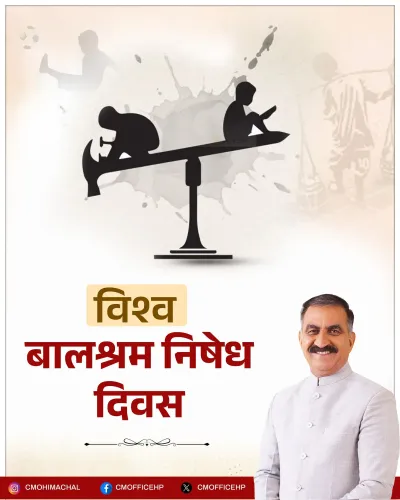
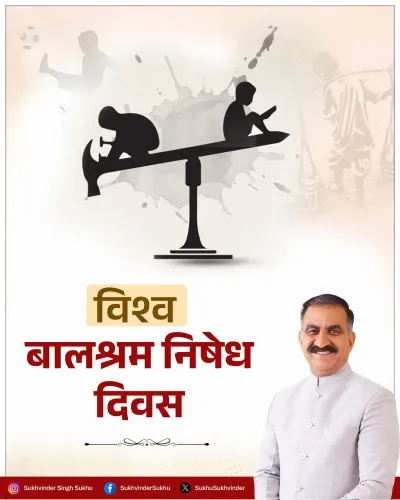
On World Day Against Child Labour, 12 June 2026, Chief Minister Sukhvinder Singh Sukhu of Himachal Pradesh pledged through the official CMO account to sustain efforts for child labour elimination and to build a bright future for every child, aligning the state with India's international obligations under ILO Convention 182.
Key Takeaways
The Chief Minister's Office of Himachal Pradesh posted the pledge on 12 June 2026 , coinciding with World Day Against Child Labour .
CM Sukhvinder Singh Sukhu called on citizens to collectively commit to continuous efforts to eradicate child labour.
India ratified ILO Convention 182 on the Worst Forms of Child Labour in 2017 , binding states to immediate action.
The Child Labour (Prohibition and Regulation) Amendment Act, 2016 bans employment of children below 14 years in all occupations.
Himachal Pradesh has aligned its state action plan with the central PENCIL portal for coordinated enforcement and rehabilitation.
Follow-up action by the state labour department and updated child labour mapping data will indicate whether the pledge leads to tangible change.
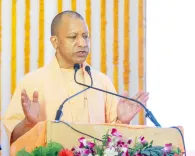
The Chief Minister's Office of Himachal Pradesh, on behalf of Chief Minister Thakur Sukhvinder Singh Sukhu, issued a firm commitment on 12 June 2026 — World Day Against Child Labour — to work continuously for the elimination of child labour and to remain dedicated to building a bright future for every child in the state.
In his message shared through the official CMO account, CM Sukhu called on citizens to collectively resolve: 'आइए, मिलकर संकल्प लें' ('Come, let us together take a pledge') that efforts to eradicate child labour will be sustained and that every child's future will be secured. The statement was posted on the morning of the global observance, aligning Himachal Pradesh's official voice with the international campaign.
Context
Every year on 12 June, the International Labour Organization's World Day Against Child Labour draws attention to the millions of children worldwide still engaged in exploitative or hazardous work. India ratified ILO Convention 182 on the Worst Forms of Child Labour in 2017, placing a binding obligation on the central and state governments to take immediate action. CM Sukhu's pledge directly echoes that international commitment at the state level. Himachal Pradesh, though relatively prosperous among hill states, has documented instances of child labour in rural agriculture, domestic work, and small-scale informal industries. The state's hilly terrain and dispersed rural settlements make enforcement challenging, lending particular weight to a public commitment from the Chief Minister's Office.Policy Backdrop
The legal foundation for this pledge rests on several layers of legislation and policy. The Child Labour (Prohibition and Regulation) Amendment Act, 2016 extended the ban on employing children below 14 years to all occupations and prohibited adolescents from working in hazardous industries. The Right to Education Act, 2009 reinforces this by mandating free and compulsory education for children between 6 and 14 years, treating schooling as the primary alternative to labour. At the national level, the National Child Labour Project Scheme, operational since 1988, provides for identification, withdrawal, and rehabilitation of working children through special training centres. Himachal Pradesh has aligned its state action plan with the central PENCIL portal, a platform for coordinating child labour enforcement and rehabilitation across districts.Stakeholders and Impact
The primary beneficiaries of sustained anti-child-labour action are the working children themselves — often from economically vulnerable rural households where family income pressures push minors into informal work. Informal sector employers, particularly in agriculture and domestic services, are the key compliance targets for labour department enforcement drives. Civil society organisations and district administration bodies play a crucial role in translating such pledges into ground-level action: conducting surveys, rescuing children, enrolling them in bridge schools, and supporting families through welfare schemes. CM Sukhu's public statement, timed to the global observance, serves as a signal to these actors that political will exists at the highest level of the state government.What's Next
Attention will now turn to whether the Himachal Pradesh labour department follows the Chief Minister's pledge with concrete enforcement orders, targeted district-level drives, or fresh allocations under existing rehabilitation schemes. The release of updated child labour mapping data — whether through the next Periodic Labour Force Survey or a state-specific exercise — will be a key measure of progress. Sustained centre-state coordination under the PENCIL framework, alongside community-level awareness campaigns, will determine how effectively this annual observance translates into lasting change for vulnerable children across the state.Point of View
Such pledges also serve to project a welfare-first identity distinct from the ruling dispensation at the Centre. The real test, however, lies in departmental follow-through: whether the rhetoric translates into fresh enforcement drives, increased PENCIL portal registrations, or enhanced rehabilitation funding. Observers will watch the state's next labour force data cycle to assess whether child labour incidence in Himachal Pradesh is actually declining.
NationPress
26 Oct 2026
Frequently Asked Questions
What did CM Sukhu say on World Day Against Child Labour 2026?
CM Sukhvinder Singh Sukhu, through the official Chief Minister's Office account of Himachal Pradesh, pledged on 12 June 2026 to continuously work for the elimination of child labour and to remain committed to building a bright future for every child in the state.
When is World Day Against Child Labour observed?
World Day Against Child Labour is observed every year on 12 June. It was initiated by the International Labour Organization to highlight the global need to eliminate child labour and promote access to quality education.
What is India's law on child labour?
The Child Labour (Prohibition and Regulation) Amendment Act, 2016 is the primary central law, banning the employment of children below 14 years in all occupations and prohibiting adolescents from hazardous work. India also ratified ILO Convention 182 in 2017.
What is the PENCIL portal for child labour in India?
PENCIL — Platform for Effective Enforcement for No Child Labour — is a central government digital platform that coordinates identification, rescue, and rehabilitation of child labourers across states, including Himachal Pradesh.
What is the National Child Labour Project Scheme?
The National Child Labour Project Scheme, operational since 1988, is a central government programme that identifies working children, withdraws them from labour, and rehabilitates them through special training centres before mainstreaming them into formal education.