Pakistan child protection framework 'fundamentally inadequate': Report
Synopsis
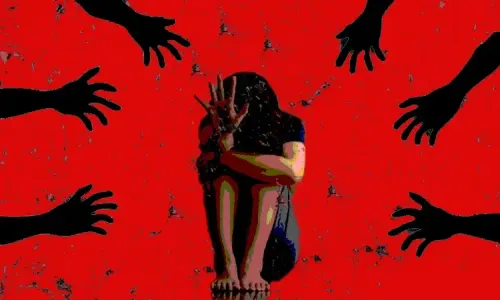
Pakistan registered at least 2,003 child sexual abuse cases in 2025 — and experts say that figure is a fraction of reality, with over 4,200 children estimated to have faced sexual violence in 2024 alone. Despite laws, high-profile scandals, and public outrage, the conviction rate remains 'pitiful' and structural reform has not materialised — making child protection one of Pakistan's most consequential governance failures.
Key Takeaways
Pakistan's child protection framework is described as fundamentally inadequate by a report published on 19 July .
The 2025 Cruel Numbers report by Sahil recorded at least 2,003 child sexual abuse cases , with Punjab accounting for 1,549 .
More than 4,200 children experienced sexual violence in 2024 ; most cases go unreported.
Pakistani daily Dawn described child crimes as 'endemic' due to overdue criminal justice reforms and a 'pitiful' conviction rate.
High-profile cases including the 2015 Kasur scandal and the 2018 murder of Zainab Ansari triggered laws that have yet to produce meaningful enforcement.
Pakistan's existing legal and social framework for protecting children is fundamentally inadequate, according to a report that calls for a systematic overhaul of how the country upholds minors' rights. Published in Islamabad on 19 July, the analysis argues that child welfare must shift from a matter of familial discretion to a guaranteed legal entitlement — one backed by genuine enforcement rather than periodic policy announcements.
Scale of the Crisis
The gravity of the situation is underscored by data from the 2025 Cruel Numbers report compiled by Sahil, an Islamabad-based organisation that monitors gender-based violence. At least 2,003 child sexual abuse cases were officially registered across Pakistan, with Punjab recording the highest count at 1,549 cases, followed by Sindh with 330, Khyber Pakhtunkhwa with 91, and 33 cases in other regions. Critically, the report estimates that more than 4,200 children experienced sexual violence in 2024 alone, with the majority of incidents going unreported.
Systemic Failure, Not Isolated Incidents
The report frames the crisis as a failure of governance rather than isolated social tragedy. 'A childhood stripped of basic rights and security leads to lifelong psychological and physical scars, which in turn snowball into a generational trap of poverty. When a child is denied education, health, and security, they are effectively locked into a socio-economic bracket that is nearly impossible to escape,' the report noted. It warned that state denial and apathy have prevented meaningful action, describing the inaction as a 'ticking time bomb' for younger generations.
Pakistani daily Dawn echoed this concern in an editorial, stating: 'Crimes against children are endemic because reforms in the criminal justice system are overdue and the conviction rate is pitiful.' The editorial further observed that Pakistan presents a paradox — 'a surfeit of laws to shield children' yet persistent failure to enforce them.
A Pattern of Unfulfilled Promises
The current crisis has historical precedents that highlight the depth of institutional failure. The 2015 child pornography scandal in Kasur, which involved hundreds of boys and girls, and the 2018 rape and murder of Zainab Ansari galvanised public outrage and gave rise to the 'Kasur Hamara Hai' movement. Both incidents prompted a wave of legislative measures. Yet, according to the report, authorities have failed to translate those legislative responses into any meaningful reassessment of priorities or improvement in conviction rates.
What Needs to Change
Analysts and rights advocates argue that Pakistan must move beyond performative policy announcements and build a structured support system for vulnerable children. This includes criminal justice reform, independent monitoring of abuse cases, and mechanisms to ensure that the cycle of poverty and vulnerability is not inherited across generations. Without these structural changes, experts caution, the country's legal protections for children will remain largely symbolic.
Point of View
Yet the conviction rate remains negligible and abuse data continues to worsen. The real question is whether political will exists to reform a criminal justice system that consistently fails the most vulnerable. Until independent monitoring, mandatory reporting, and judicial accountability are built into the framework, successive laws will remain little more than public-relations responses to public outrage.
NationPress
18 Oct 2026
Frequently Asked Questions
What does the report say about Pakistan's child protection framework?
The report, citing analysis published in Pakistan, concludes that the country's legal and social framework for protecting children is fundamentally inadequate. It argues that child welfare must be a guaranteed legal entitlement rather than a matter left to familial discretion, and calls for systematic enforcement rather than periodic policy announcements.
How many child abuse cases were reported in Pakistan in 2025?
According to the 2025 Cruel Numbers report by Sahil, at least 2,003 child sexual abuse cases were officially registered across Pakistan. Punjab recorded the highest number with 1,549 cases, followed by Sindh with 330 and Khyber Pakhtunkhwa with 91.
Why is Pakistan's conviction rate for child abuse cases so low?
According to an editorial in Dawn, crimes against children are endemic in Pakistan because criminal justice reforms are long overdue and the conviction rate is described as 'pitiful'. State denial and apathy have reportedly prevented meaningful action despite the existence of multiple laws designed to protect children.
What past incidents have highlighted child safety failures in Pakistan?
The 2015 child pornography scandal in Kasur, involving hundreds of boys and girls, and the 2018 rape and murder of Zainab Ansari are among the most high-profile cases. Both triggered public outrage and legislative responses, but authorities have reportedly failed to translate these into any significant improvement in child protection outcomes.
What do experts say needs to change to protect children in Pakistan?
Rights advocates and analysts argue that Pakistan must build a structured support system that goes beyond announcing laws. Key demands include criminal justice reform, independent monitoring of abuse cases, higher conviction rates, and mechanisms to break the cycle of poverty and vulnerability that systemic neglect perpetuates across generations.