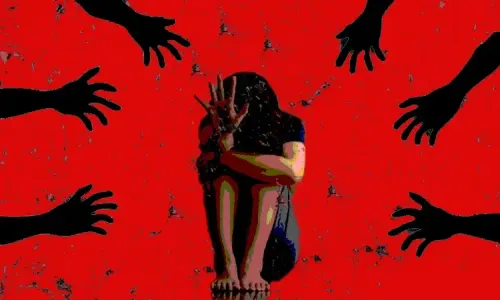
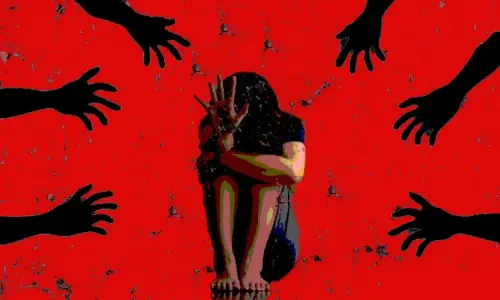
Child abuse endemic in Pakistan: 2,003 cases in 2024, conviction rate 'pitiful'
Synopsis
Pakistan logged over 2,000 registered child sexual abuse cases in 2024 — and that is almost certainly an undercount. The Sahil 'Cruel Numbers' report exposes a system where laws exist but convictions are rare, survivors are silenced, and high-profile tragedies like Kasur and Zainab Ansari's murder have produced legislation without enforcement. The damage, the report warns, is generational.
Key Takeaways
At least 2,003 child sexual abuse cases were registered in Pakistan in 2024 , according to the Sahil Cruel Numbers 2025 report.
More than 4,200 children are estimated to have experienced sexual violence in 2024; most cases go unreported.
Punjab recorded the highest caseload at 1,549 , followed by Sindh ( 330 ) and Khyber Pakhtunkhwa ( 91 ).
The conviction rate for child abuse cases is described as 'pitiful' amid long-overdue criminal justice reforms.
Landmark cases — including the 2015 Kasur scandal and the 2018 murder of Zainab Ansari — triggered laws that have not translated into enforcement.
Civil society organisations are calling for psychosocial support for survivors, police reform, and an independent child protection infrastructure.
Pakistan continues to face a deepening crisis of child sexual abuse, with at least 2,003 cases registered across the country in 2024 and more than 4,200 children estimated to have experienced sexual violence that year, according to the 2025 Cruel Numbers report by Sahil, an Islamabad-based organisation that monitors gender-based violence. A Pakistani daily's editorial warned the state's persistent inaction amounts to a 'ticking time bomb' for young generations.
Scale of the Crisis
Punjab recorded the highest number of registered child sexual abuse cases at 1,549, followed by Sindh with 330, Khyber Pakhtunkhwa with 91, and 33 cases in other regions. Advocates and researchers caution that these figures represent only a fraction of actual incidents, as most cases go unreported due to social stigma and institutional distrust.
The Sahil report, cited by Pakistani daily Dawn, paints a grim picture of systemic failure. 'Crimes against children are endemic because reforms in the criminal justice system are overdue and the conviction rate is pitiful,' a Dawn editorial stated, adding that Pakistan presents a paradox — a surfeit of laws to shield children, yet near-total failure in enforcement.
A Pattern of High-Profile Cases and Broken Promises
The report traces a pattern of horrific incidents that briefly galvanised public outrage before receding into institutional silence. The 2015 child pornography scandal in Kasur, involving hundreds of boys and girls, and the rape and murder of Zainab Ansari in 2018 triggered the 'Kasur Hamara Hai' movement and prompted a wave of legislative measures. Yet, according to the report, authorities have failed to translate those pledges into any meaningful reassessment of priorities.
'Laws and pledges may be momentary, but the toll of abuse, shame, and disregard is not. It imperils the stability and productivity of our youth,' the report stressed, noting that exploitation also devastates mental and physical health and jeopardises children's academic futures.
Systemic Failures: Police, Society, and the State
Beyond legislative gaps, the report identifies a culture of institutional indifference as a core driver of impunity. A callous police force and societal pressure routinely silence survivors, the report noted, preventing cases from reaching prosecution. Corrective action, it argued, must encompass not only legal reform but also psychosocial support for victims and their families, alongside sustained awareness and education programmes.
'The state must know this damage consumes generations,' the report warned, framing child protection not merely as a humanitarian concern but as a long-term threat to national stability and productivity.
International Attention and What Comes Next
The crisis has drawn international scrutiny. A report in the European Times noted that the rising frequency of child abuse cases in Pakistan reflects not only an increase in violence but also a troubling shift in public response — cases are briefly covered in the media and then fade from public discourse without accountability. Each incident, the report observed, highlights both personal tragedy and the failure of systems designed to protect the most vulnerable.
With the 2025 Cruel Numbers data now in the public domain, civil society organisations are pressing the Pakistani government for urgent criminal justice reforms, higher conviction rates, and a dedicated child protection infrastructure — measures that advocates say have been promised repeatedly but delivered rarely.
Point of View
Yet the Sahil data shows the caseload is not falling and the conviction rate remains negligible. What is missing is political will to reform a police culture that treats survivors as liabilities and a judiciary that processes these cases at a pace that allows perpetrators to walk free. The 'ticking time bomb' framing is apt: a generation of unaddressed trauma has compounding social and economic costs that no future law can fully reverse.
NationPress
3 Oct 2026
Frequently Asked Questions
How many child sexual abuse cases were reported in Pakistan in 2024?
At least 2,003 child sexual abuse cases were formally registered across Pakistan in 2024, according to the Sahil Cruel Numbers 2025 report. Researchers estimate the true figure is far higher, as most cases go unreported due to stigma and distrust of authorities.
Which province in Pakistan has the highest number of child abuse cases?
Punjab recorded the highest number of registered child sexual abuse cases in 2024, with 1,549 cases out of the national total of 2,003. Sindh followed with 330 cases and Khyber Pakhtunkhwa with 91.
What is the Sahil Cruel Numbers report?
The Cruel Numbers report is an annual publication by Sahil, an Islamabad-based organisation that monitors gender-based violence in Pakistan. The 2025 edition documents child sexual abuse trends across the country for the year 2024 and highlights systemic failures in the criminal justice response.
Why does child abuse persist despite laws in Pakistan?
According to the Dawn editorial citing the Sahil report, criminal justice reforms remain overdue and the conviction rate for child abuse cases is described as pitiful. A combination of police indifference, societal pressure on survivors to stay silent, and weak enforcement of existing laws has created a culture of near-total impunity.
What happened in the Kasur child abuse scandal?
In 2015, a large-scale child pornography scandal was uncovered in Kasur, Punjab, involving hundreds of boys and girls. The case, along with the 2018 rape and murder of Zainab Ansari, sparked the 'Kasur Hamara Hai' movement and led to new legislative measures — which, according to the Sahil report, have not been matched by meaningful enforcement or institutional reform.