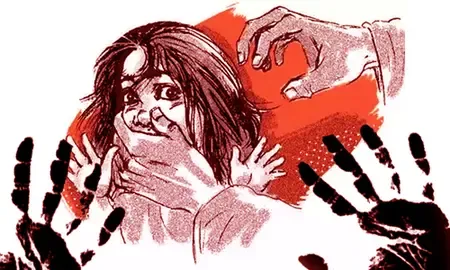
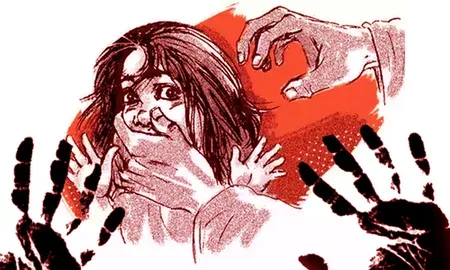
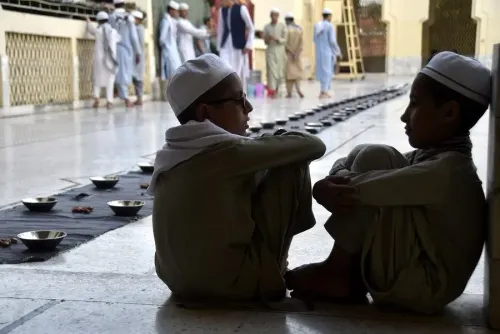
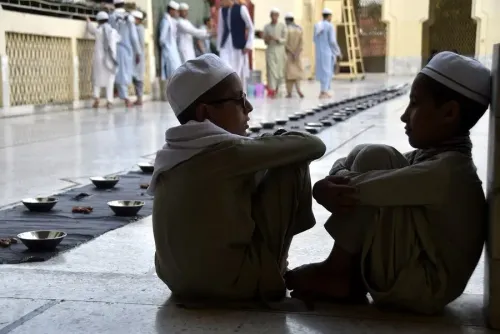
Pakistan child abuse: 1,914 cases in 6 months as laws fail to protect
Synopsis
Over 1,914 child abuse cases were reported in Pakistan in just six months — and experts say this is only what made the newspapers. With the Islamabad High Court questioning the Zainab Alert Act, low conviction rates flagged by a Senate committee, and UNICEF citing systemic failures, Pakistan's child-protection crisis is less about missing laws and more about a state apparatus unwilling or unable to enforce them.
Key Takeaways
Child rights organisation Sahil documented at least 1,914 cases of child abuse across Pakistan between January and June 2026 , based on newspaper-reported incidents alone.
Of the total, 1,015 were child sexual abuse cases; 558 were abductions; 35 were child marriages.
Girls made up 58% of reported victims; children aged 11–15 were the largest affected age group with 598 victims.
Nearly half of reported incidents took place in children's homes, with perpetrators often known to the victims.
The Islamabad High Court , Sindh High Court , a Senate committee , and UNICEF have all separately flagged failures within Pakistan's child-protection system.
Experts stress the crisis reflects not a lack of laws but consistent failure to enforce them, particularly at the post-complaint and prosecution stages.
Despite an extensive legal framework ostensibly designed to shield children, Pakistan's child-protection system is failing at the implementation stage, leaving minors acutely vulnerable to violence and abuse, according to a report published in Sri Lanka's Daily Mirror. The findings, drawing on data compiled through June 2026, paint a picture of systemic breakdown that goes far beyond a simple absence of legislation.
Scale of the Crisis
Islamabad-based child rights organisation Sahil documented at least 1,914 cases of violence and abuse against children across Pakistan between January and June 2026 — a figure derived solely from newspaper-reported incidents, meaning the true scale is likely considerably higher. Of these, 1,015 were cases of child sexual abuse, 558 were abductions, 101 involved missing children, 35 were child marriages, and 98 cases involved pornography following sexual abuse. An additional 49 cases involved infants found abandoned by roadsides.
According to the report, the numbers 'describe a visible crisis, but not necessarily a complete one' — a crucial distinction in a country where fear, stigma, family pressure, and limited access to justice routinely keep incidents away from both law enforcement and public records.
Who the Victims Are
The data reveals a disturbing pattern of victimisation. Girls accounted for 58 percent of reported victims in the first half of 2026, while boys represented 42 percent. Children aged 11 to 15 formed the largest affected cohort, with 598 reported victims. Another 356 victims were aged between 16 and 18, while 329 were between six and 10 years old.
Notably, nearly half of all reported incidents occurred within children's homes, and alleged perpetrators were frequently individuals known to the victims — a pattern consistent with global research on child abuse dynamics and one that complicates reporting rates significantly.
Institutional Failures at Every Level
The report highlights failures cascading across multiple tiers of Pakistan's governance and judiciary. The Islamabad High Court has raised questions over child safety provisions under the Zainab Alert Act, while the Sindh High Court has scrutinised the implementation of juvenile justice mechanisms. A Senate committee has separately flagged persistently low conviction rates in child abuse cases.
Findings from UNICEF further corroborate these institutional shortcomings, according to the report. Together, these parallel lines of concern suggest that the weakness in Pakistan's child-protection architecture is not legislative — it is operational. As the Daily Mirror noted, the failure 'is reflected in what happens after a law is passed, a complaint is lodged, and a child seeks justice.'
The Implementation Gap
This comes amid growing international scrutiny of South Asia's child-protection regimes. Critics argue that Pakistan's situation exemplifies a broader regional pattern: laws are enacted in response to high-profile cases — such as the Zainab Alert Act, passed following the 2018 murder of Zainab Ansari — but enforcement infrastructure, trained personnel, and victim support systems lag critically behind. Low conviction rates, in particular, act as a structural deterrent to survivors coming forward.
With more than 1,900 cases documented in just six months, and the acknowledged likelihood that official figures represent only a fraction of actual incidents, pressure is mounting on Islamabad to translate legislation into lived protection for Pakistan's most vulnerable citizens. Whether judicial scrutiny and parliamentary concern translate into systemic reform remains to be seen.
Point of View
But judicial interrogation of its own provisions years later signals that the law was never properly operationalised. Low conviction rates are not a footnote — they are a structural message to survivors that the system will not deliver justice, suppressing reporting and perpetuating impunity. The real question is not whether Pakistan has the right laws, but whether any government has faced genuine political cost for failing to enforce them. Until accountability travels upward — not just downward toward victims — the numbers will keep rising.
NationPress
26 Sept 2026
Frequently Asked Questions
How many child abuse cases were reported in Pakistan in 2026?
At least 1,914 cases of violence and abuse against children were documented across Pakistan between January and June 2026, according to data compiled by Islamabad-based child rights organisation Sahil. The figure is based on newspaper-reported cases and is widely considered an undercount of the actual scale of abuse.
What types of abuse were recorded in Pakistan's child abuse data?
The 1,914 cases included 1,015 instances of child sexual abuse, 558 abductions, 101 missing children, 35 child marriages, 98 cases involving pornography following sexual abuse, and 49 cases of infants found abandoned by roadsides, according to Sahil's data.
Which age group and gender were most affected?
Girls accounted for 58 percent of reported victims, while boys represented 42 percent. Children aged 11 to 15 formed the largest affected age group, with 598 reported victims in the first half of 2026.
What is the Zainab Alert Act and why is it under scrutiny?
The Zainab Alert Act is a Pakistani law enacted following the 2018 abduction and murder of child Zainab Ansari, aimed at creating an alert system for missing and abducted children. The Islamabad High Court has raised questions over child safety provisions within the Act, suggesting it has not been adequately implemented since its passage.
Why are Pakistan's child abuse figures likely to be higher than reported?
Sahil's data is drawn from newspaper-reported cases only, not police records or comprehensive surveys. In Pakistan, fear, social stigma, family pressure, and limited access to justice frequently prevent survivors and families from reporting incidents to law enforcement or the media, meaning official figures represent only a fraction of actual cases.