Pakistan lead crisis: 4 in 10 urban children test positive, GDP loss at 8%
Synopsis
A UNICEF-backed study has found 4 in 10 Pakistani children in major cities carry lead in their blood — with nearly 9 in 10 affected in Hattar, Haripur. The toxic exposure is estimated to cost Pakistan 6–8% of GDP annually, yet government monitoring remains patchy and enforcement uneven. The damage to cognition and development is, scientists say, permanent.
Key Takeaways
A joint UNICEF and Pakistan Ministry of National Health Services study found 4 in 10 children aged 12–36 months in high-risk urban areas have lead in their blood.
In Hattar, Haripur , nearly 9 in 10 children tested showed elevated lead levels.
Lead exposure is estimated to cost Pakistan between 6% and 8% of GDP annually, eroding human capital.
Sources of exposure include industrial emissions, informal battery recycling, contaminated food and spices, lead-based paints, and traditional cosmetics.
Despite regulations, Pakistan's government monitoring is described as inconsistent and enforcement as uneven .
A severe public health emergency is unfolding in Pakistan as a joint study by UNICEF and Pakistan's Ministry of National Health Services has found that four in every 10 children aged 12 to 36 months in high-risk urban areas carry lead in their blood — a toxic exposure with permanent, irreversible consequences for cognitive development. The cities surveyed include Lahore, Karachi, Peshawar, Quetta, and Rawalpindi, all major economic and population centres, according to a report published on 5 May.
Scale of the Crisis
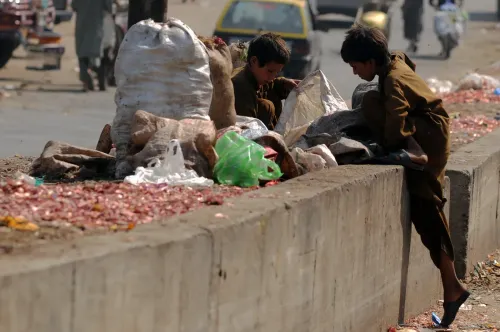
The findings paint a deeply alarming picture. In Hattar, Haripur, nearly nine out of 10 children tested showed elevated blood lead levels — a figure that underscores how concentrated and severe the exposure is in certain clusters. According to the study, children absorb lead at up to five times the rate of adults, making the youngest and most vulnerable the most severely affected.
An editorial in leading Pakistani daily The News International stated:
Point of View
Quantified emergency that successive governments have treated as a secondary concern. The UNICEF data is damning precisely because it covers the country's biggest cities, not remote margins. A toxic metal is quietly eroding the cognitive capital of an entire generation, and the estimated 6–8% GDP cost makes this as much an economic catastrophe as a health one. The government's acknowledgement of a 'national public health priority' rings hollow when enforcement remains patchy and monitoring inconsistent. What the data demands is not another commission or study — it demands enforcement, screening, and accountability.
NationPress
28 Sept 2026
Frequently Asked Questions
What did the UNICEF-Pakistan study on lead exposure find?
The joint study by UNICEF and Pakistan's Ministry of National Health Services found that four in every 10 children aged 12 to 36 months in high-risk urban areas carry lead in their blood. The cities surveyed include Lahore, Karachi, Peshawar, Quetta, and Rawalpindi.
Which area in Pakistan has the highest rate of lead exposure in children?
Hattar in Haripur district recorded the highest levels, with nearly nine out of 10 children tested showing elevated blood lead levels. This is significantly higher than the already alarming national average found in the study.
What are the health effects of lead exposure on children?
Lead exposure in children causes permanent and irreversible damage, including reduced IQ, impaired memory, behavioural disorders, stunted growth, and weakened immunity. Scientists confirm there is no safe level of lead exposure for children.
What is the economic cost of lead exposure to Pakistan?
Lead exposure is estimated to cost Pakistan between 6% and 8% of its GDP annually, according to the study. This represents a significant erosion of the country's human capital over time.
What actions are being recommended to address Pakistan's lead crisis?
The News International editorial called for stricter enforcement of industrial emissions standards, formalisation of recycling sectors, bans on lead-based consumer products, routine child screening in high-risk areas, and a nationwide awareness campaign for parents.