Karachi protest: HIV surge in children blamed on unsafe govt clinics
Synopsis
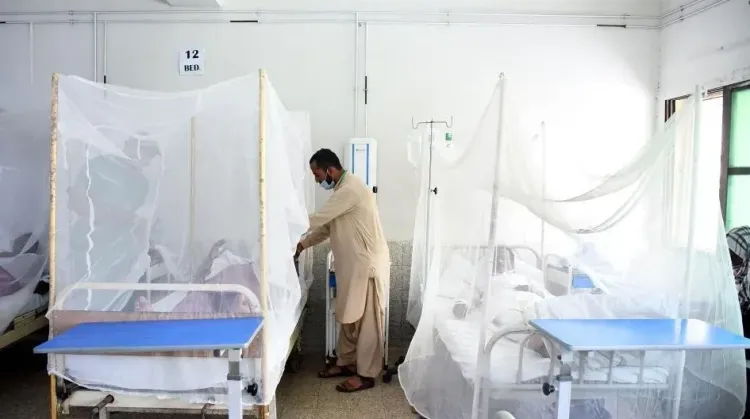
Pakistan's paediatric HIV crisis has spilled onto the streets of Karachi, with hundreds of families protesting what health experts call a man-made epidemic. With at least nine children dead, outbreaks spanning eight cities, and HIV rising 200% over two decades despite over $1 billion in Global Fund support, the crisis exposes a catastrophic gap between international aid and on-the-ground infection control.
Key Takeaways
Hundreds of families protested at Karachi Press Club demanding accountability over a surge in paediatric HIV infections at government clinics.
At least nine children have died and hundreds more infected, reportedly due to syringe reuse, contaminated vials, and unsafe blood transfusions.
WHO data shows Pakistan's HIV infections have risen by 200 per cent over two decades; over 90 per cent of infected children have HIV-negative mothers.
Outbreaks have been recorded across eight cities including Taunsa, Karachi, Multan, and Hyderabad, pointing to systemic failures.
The Sindh High Court has issued notices to the Sindh Health Secretary and provincial police chief over the outbreak.
The Global Fund has invested over $1 billion in Pakistan over two decades, yet unsafe practices at government facilities reportedly persist.
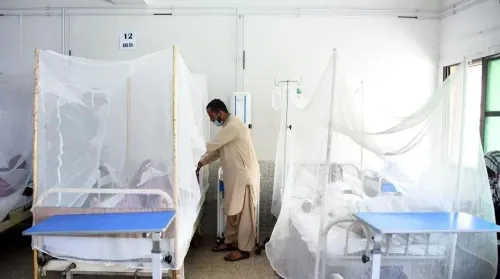
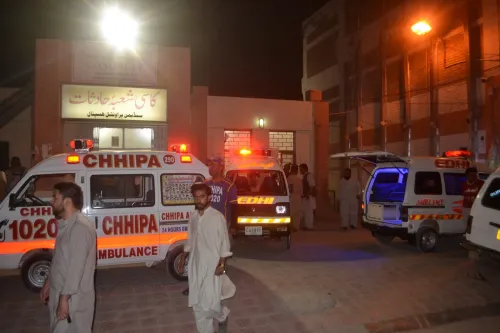
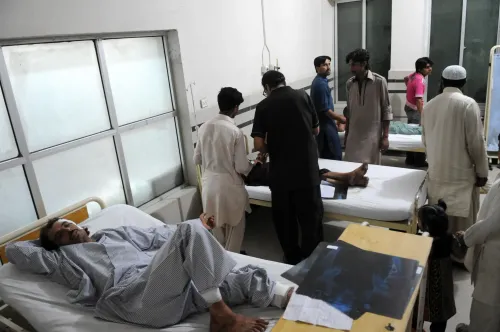
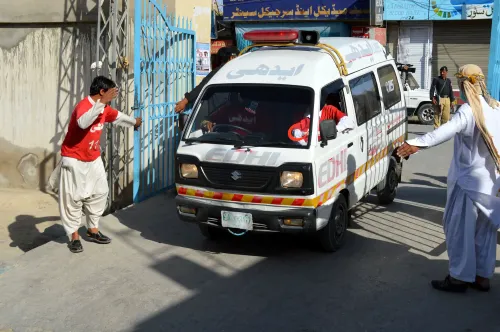
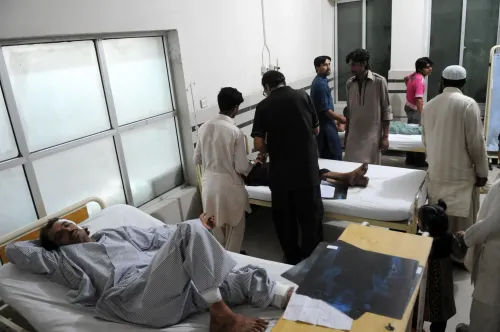
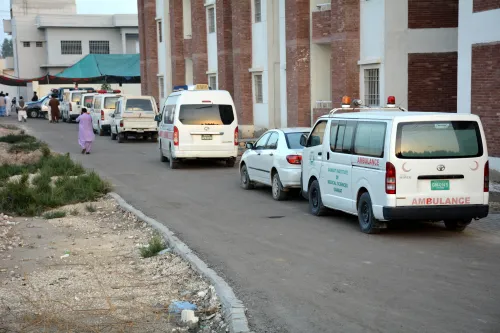
Hundreds of Pakistani families gathered outside the Karachi Press Club to demand accountability after a sharp rise in paediatric HIV infections, reportedly linked to unsafe medical practices at government-run clinics. According to a recent report by Pakistan Observer, at least nine children have died and hundreds more have been infected, with syringe reuse, contaminated vials, and unsafe blood transfusions identified as the primary transmission routes.
Scale of the Outbreak
The World Health Organization (WHO) and UNAIDS have warned that Pakistan is home to one of Asia's fastest-growing HIV epidemics. The country also leads globally in hepatitis C cases, with approximately 10 million people affected. According to the report, HIV spread has surged by 200 per cent over two decades, as per WHO data.
Health Minister Mustafa Kamal acknowledged that Pakistan has 84,000 registered HIV cases, though experts cited in the report suggest the actual figure is significantly higher, with many cases going untracked. The report noted that over 90 per cent of infected children have HIV-negative mothers — a statistic that, according to health specialists, points squarely to unsafe healthcare practices rather than community transmission.
Pattern of Systemic Failures
The crisis is not confined to Karachi. Outbreaks have been documented across Taunsa, Kot Momin, Mirpurkhas, Nawabshah, Hyderabad, Multan, and D.G. Khan, according to the report — a geographic spread that health experts say reflects systemic failures in infection prevention and control rather than isolated incidents.
A BBC investigation published in April reported that 331 children in Taunsa, Punjab contracted HIV between November 2024 and October 2025, with undercover footage reportedly linking the outbreak to a hospital that routinely reused syringes on child patients. Punjab authorities initially announced a crackdown, but subsequent reports indicated that unsafe practices continued months later.
Legal and Government Response
The Sindh High Court (SHC) has issued notices to the Sindh Secretary of Health and the provincial police chief, demanding detailed reports on the outbreak and potential medical negligence. Protesters have described the situation as a preventable, man-made epidemic, and health specialists have urged the government to declare a national health emergency.
Health experts and doctors argue that provincial health mandates neglect disease prevention, and that Pakistan's chronically low health funding — consistently under one per cent of GDP — makes effective infection control virtually impossible.
International Funding and Accountability Gap
The Global Fund, a partnership and financing organisation that combats HIV, has invested more than $1 billion in Pakistan over two decades, providing over 90 per cent of its targeted funds to the country. Critics argue that despite this substantial international support, the persistence of unsafe practices at government facilities raises serious questions about how those resources have been deployed and monitored.
With the Sindh High Court now involved and international health bodies issuing fresh warnings, pressure is mounting on both provincial and federal authorities to move beyond promises and implement verifiable, enforceable infection-control protocols.
Point of View
That undercover reporting exposed continued syringe reuse months after a promised crackdown, and that over 90 per cent of infected children have HIV-negative mothers, makes the 'systemic failure' framing inescapable. The Sindh High Court's intervention is welcome, but judicial notices alone cannot substitute for enforceable infection-control standards and independent monitoring of Global Fund disbursements. Until Pakistan treats health funding as a sovereign priority rather than an aid-dependent afterthought, the next outbreak is already incubating.
NationPress
27 Oct 2026
Frequently Asked Questions
Why are children in Pakistan contracting HIV from government clinics?
According to reports, the primary causes are syringe reuse, contaminated vials, and unsafe blood transfusions at government-run health facilities. The fact that over 90 per cent of infected children have HIV-negative mothers is cited by health specialists as evidence that unsafe medical practices, rather than community transmission, are responsible.
How widespread is the paediatric HIV outbreak in Pakistan?
Outbreaks have been documented across at least eight cities — Taunsa, Kot Momin, Mirpurkhas, Nawabshah, Karachi, Hyderabad, Multan, and D.G. Khan. A BBC investigation reported 331 children in Taunsa alone contracted HIV between November 2024 and October 2025.
What action has the Sindh High Court taken?
The Sindh High Court has issued notices to the Sindh Secretary of Health and the provincial police chief, demanding detailed reports on the outbreak and any evidence of medical negligence. The court's intervention follows protests at the Karachi Press Club and calls for a national health emergency.
What is Pakistan's overall HIV situation according to the WHO?
The WHO and UNAIDS have identified Pakistan as having one of Asia's fastest-growing HIV epidemics, with infections rising 200 per cent over two decades. Health Minister Mustafa Kamal has acknowledged 84,000 registered HIV cases, though experts say the real number is significantly higher.
Has international funding helped address Pakistan's HIV crisis?
The Global Fund has invested over $1 billion in Pakistan over two decades, covering more than 90 per cent of its targeted HIV funding for the country. Despite this, reports indicate that unsafe medical practices at government facilities persist, raising questions about how the funds have been implemented and monitored.