A Decade of HIV Outbreaks: Pakistan's Alarming Inaction
Synopsis
Despite ten years of multiple HIV outbreaks, Pakistan continues to struggle with alarming infection rates among children. A recent report highlights serious lapses in healthcare practices, raising urgent questions about accountability and public awareness.
Key Takeaways
331 children tested positive for HIV in Taunsa.
Contaminated needles are a major transmission method.
Negligent healthcare practices are rampant across Pakistan.
Lack of public awareness exacerbates the issue.
Previous outbreaks have shown a pattern of inaction.
Islamabad, April 20 (NationPress) Despite a decade and multiple outbreaks of human immunodeficiency virus (HIV), Pakistan seems to have made minimal progress. A recent report indicates that 331 children were diagnosed with HIV in Taunsa between November 2024 and October 2025.
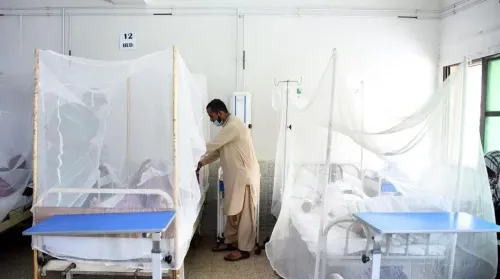
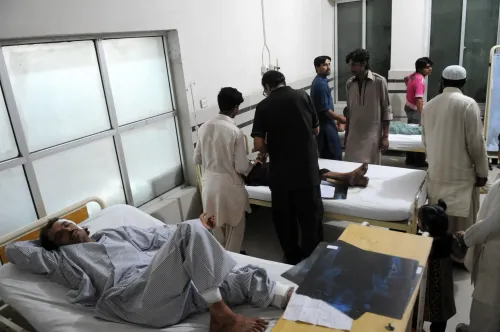
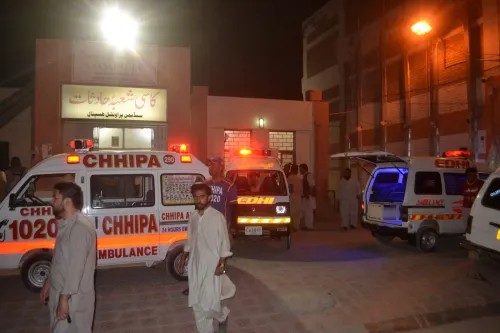
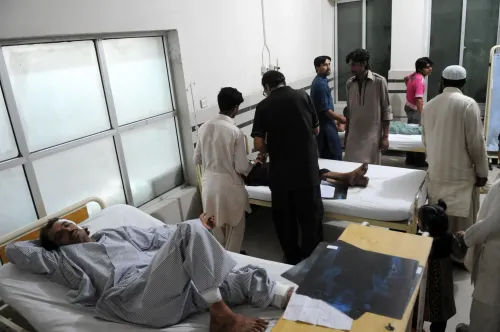
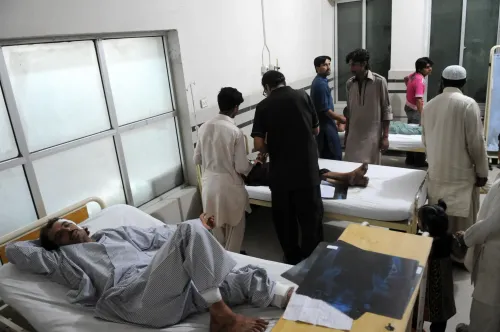
These alarming statistics emerged even after the government initiated actions against the Tehsil Headquarters Hospital, which included the replacement of its medical superintendent. However, undercover footage aired by the BBC has revealed that conditions remain unchanged, with syringes being reused on numerous children, injections administered improperly, and nurses handling medical waste without gloves. Parents have corroborated reports of reused syringes on their children. The transmission method for more than half of the reported cases was traced back to a "contaminated needle," according to Pakistan's prominent daily, Dawn.
The former Special Assistant to the Prime Minister (SAPM) expressed significant concern, stating that HIV is no longer restricted to high-risk groups. In a recent post on X, he remarked, "The practices uncovered by the BBC in Taunsa THQ merely scratch the surface. Similar issues are prevalent across all districts in the country. Consequently, blood-borne diseases are escalating due to extremely negligent healthcare practices, including the reuse of disposable syringes by healthcare personnel and drug users, unscreened blood transfusions, unprotected sexual activities, and unhygienic shaving methods. Our nation has the highest number of Hepatitis C infections globally, approximately 10 million."
This situation is likely to follow a predictable pattern: an initial wave of outrage, followed by blame and investigations, as detailed in a report by Dawn. The media will begin to cover the issue, the government will take some action, and soon, it will fade from public memory until the next outbreak occurs.
Similar patterns have emerged in four previous outbreaks: over 1,000 cases were recorded in Larkana in 2019, with nearly 90% being children; Jacobabad and Shikarpur became hotspots in 2023; Taunsa and Mirpurkhas are now likened to “another Larkana” after 150 children tested positive, while Dera Ghazi Khan reported an uptick in HIV cases due to unsafe sexual practices and the reuse of syringes by unqualified practitioners in 2024. Additional cases were also confirmed in Hyderabad, Shaheed Benazirabad, Naushahro Feroze, and Karachi.
However, these egregious practices have failed to elicit the necessary public outrage, as noted by independent journalist Zofeen T. Ebrahim in a Dawn article. She questioned, "Why do these outbreaks persist without accountability? In the specific case of the Taunsa hospital, it's evident that irresponsible practices continued despite leadership changes."
Ebrahim emphasized that alongside implementation gaps, a lack of public awareness remains a significant obstacle. Patients in public hospitals are often impoverished and poorly informed, making them unaware that a simple injection could expose them or their children to lifelong infections.
Point of View
Inadequate measures have been taken to ensure patient safety, emphasizing the need for immediate action to protect vulnerable populations, especially children.
NationPress
19 Sept 2026
Frequently Asked Questions
How many children were reported HIV positive in Taunsa?
A total of 331 children tested positive for HIV in Taunsa between November 2024 and October 2025.
What practices contributed to the HIV outbreaks in Pakistan?
Practices such as the reuse of disposable syringes, unscreened blood transfusions, and unprotected sexual activities have contributed to the rise in HIV cases.
What actions has the government taken in response to the HIV outbreaks?
The government has initiated a crackdown on the Tehsil Headquarters Hospital, including the removal of its medical superintendent, but reports indicate that conditions remain unchanged.
What is the public response to the HIV crisis in Pakistan?
Public outrage has been minimal, and there is a lack of accountability for the healthcare practices leading to repeated outbreaks.
Why are HIV cases rising among children in Pakistan?
HIV cases are rising among children due to unsafe healthcare practices, lack of public awareness, and inadequate healthcare infrastructure.