Surge in Paediatric HIV Cases in Karachi Exposes Healthcare Failures
Synopsis
A troubling rise in paediatric HIV cases in Karachi highlights serious lapses in Pakistan's healthcare system, where unsafe practices continue unchecked. An urgent call for investigation and reform is necessary to prevent further tragedies.
Key Takeaways
Surge in HIV Cases: An alarming rise in paediatric HIV cases has been observed in Karachi.
Unsafe Practices: The increase is largely due to unsafe healthcare practices in hospitals.
Call for Investigation: An independent inquiry into healthcare facilities is urgently needed.
Importance of Screening: Screening and contact tracing for exposed children are crucial.
Systemic Failure: The healthcare system's negligence has serious implications for public health.
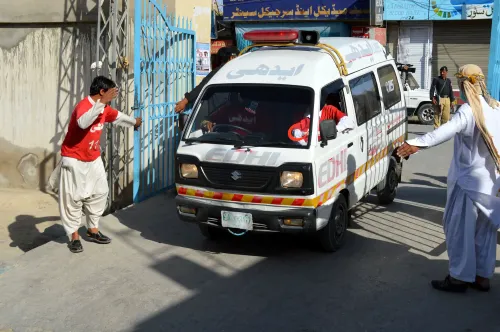
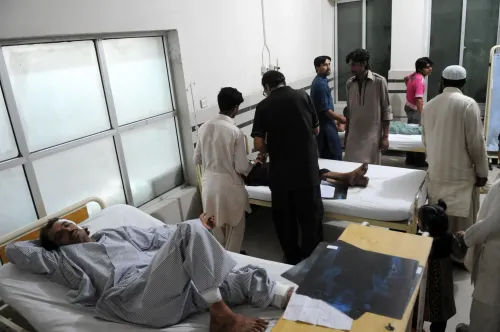
Islamabad, April 20 (NationPress) - The alarming uptick in paediatric HIV cases in Karachi, Pakistan, underscores a healthcare system that remains complicit in unsafe practices despite awareness of their dire implications. Reports from the Sindh Infectious Diseases Hospital and Research Centre alongside Indus Hospital reveal a troubling trend, with HIV-positive child admissions surging in just a year, particularly among those under five years old.
"The transmission dynamics are particularly concerning. A mere fraction of these children were born to mothers living with HIV, while the majority are believed to have contracted the virus through exposure during medical treatments at healthcare facilities, primarily due to the reuse of syringes. Unsafe practices have persisted over time, often exacerbated by insufficient oversight and a troubling inclination towards injections and intravenous treatments over safer oral alternatives. The scars of the Ratodero HIV outbreak should have served as a stern reminder against such negligence. That incident revealed significant failures in infection control," noted an editorial from The Express Tribune.
During that period, committees were formed, recommendations were made, and promises were issued. Unfortunately, these measures were not adequately enforced, leading to a recurrence of such issues, the newspaper highlighted.
The call for a thorough and independent inquiry into the implicated hospitals is urgent, urging an examination that goes beyond superficial investigations. This should include scrutinizing procurement processes, sterilization methods, disposal procedures, and blood screening systems. It is crucial to conduct screenings, especially for children who may have been inadvertently exposed during medical procedures. Effective contact tracing and ongoing treatment will be vital in curbing further transmission and managing current cases.
In 2024, the Sindh Infectious Diseases Hospital and Research Centre recorded 10 admissions of HIV-positive children, with the numbers soaring to over 70 in 2025. This year alone, 30 children with HIV were reported at this facility, as reported by another leading daily, Dawn.
Additionally, the Indus Hospital reported 144 HIV-positive patients in 2024, which increased to 176 in 2025. Alarmingly, 69 HIV cases have already been recorded in just the first quarter of this year at this institution.
"The rise in paediatric HIV cases at our hospital is concerning. Since August 2025, we have documented 72 children under 14 years, with 68% of them being under five years old," stated Samreen Sarfaraz, Chair of Infection Control Services and a consultant in infectious diseases at the Indus Hospital.
According to Sarfaraz, the bulk of their reported paediatric HIV cases stem from unsafe healthcare practices, including the reuse of syringes, intravenous drip sets, and cannulas, as well as the use of contaminated or poorly sterilized medical instruments and transfusions of unscreened blood – all significant vectors for HIV transmission in medical environments.
Point of View
It is imperative to highlight the systemic failures that allow unsafe practices to persist, putting vulnerable populations at risk. Immediate and comprehensive action is necessary to ensure the safety of all patients.
NationPress
19 Sept 2026
Frequently Asked Questions
What are the primary causes of the rise in paediatric HIV cases in Karachi?
The rise is primarily attributed to unsafe healthcare practices, including the reuse of syringes and contaminated medical instruments.
How many HIV-positive children were admitted to Sindh Infectious Diseases Hospital in 2024?
In 2024, the hospital admitted 10 HIV-positive children, with the number increasing to over 70 in 2025.
What measures are being called for to address this healthcare crisis?
An independent investigation into hospitals and their practices is urged, alongside contact tracing and improved screening protocols.
How many HIV cases were reported at Indus Hospital in 2025?
Indus Hospital reported 176 HIV-positive patients in 2025, with 69 cases documented in the first quarter of this year.
What role do healthcare practices play in HIV transmission?
Unsafe healthcare practices, such as reusing needles and administering unscreened blood, are significant contributors to HIV transmission.