331 Children HIV-Infected in Pakistan: Safe Vaccination a Distant Dream
Synopsis
A government hospital in Bhakkar, Punjab, Pakistan infected 331 children with HIV after vaccinating them with the same syringe — echoing a near-identical crisis in Larkana in 2019. The tragedy exposes Pakistan's chronic healthcare underfunding, systemic negligence, and a government that repeatedly fails its most vulnerable citizens.
Key Takeaways
331 children were infected with HIV at a government hospital in Bhakkar city, Punjab province, Pakistan after being vaccinated with the same syringe.
A single syringe was reportedly used on up to 10 children at a time — a gross violation of basic medical and infection-control protocols.
Pakistan faced a near-identical crisis in 2019 in Rato Dero, Larkana , where over 900 children were infected with HIV under similar circumstances, indicating systemic failure rather than isolated negligence.
Pakistan allocates less than 1.5% of GDP to public healthcare — well below the WHO-recommended 5% — leaving hospitals chronically underfunded and under-supervised.
The Khalsa Vox report linked the crisis to broader national priority failures, including the ISI's alleged support for Khalistani terrorists, gangsters, and drug mafias, which diverts resources and global credibility away from civilian welfare.
International bodies including UNICEF and the WHO are expected to demand accountability and structural reforms from Islamabad and the Punjab provincial government .
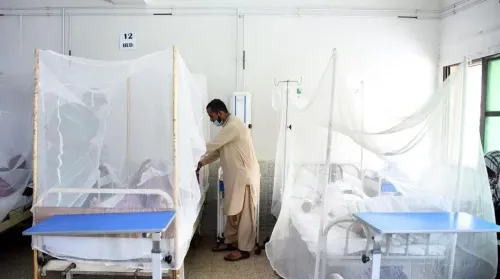
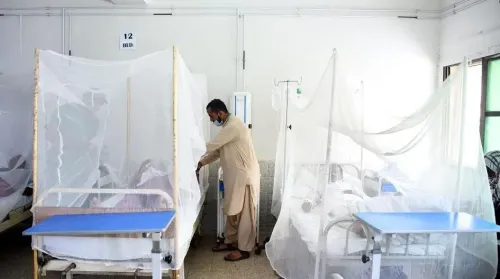
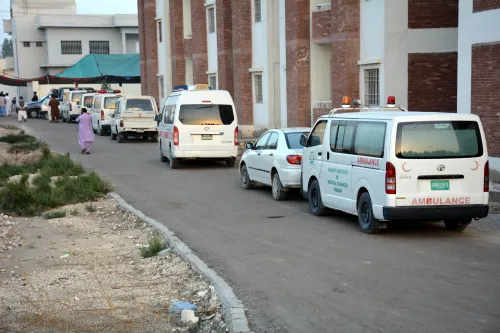
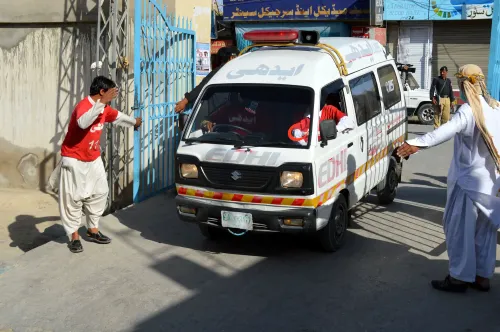
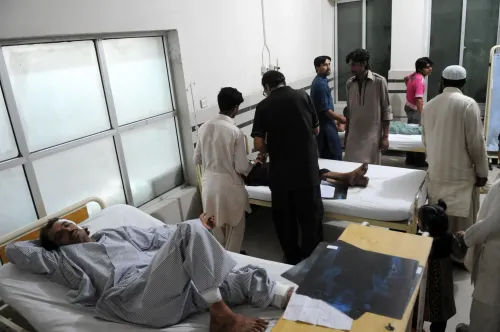
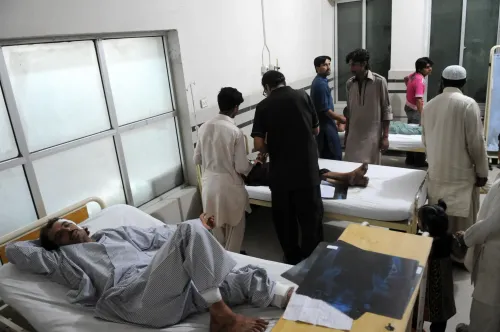
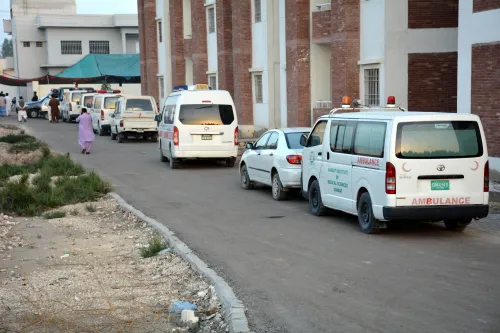
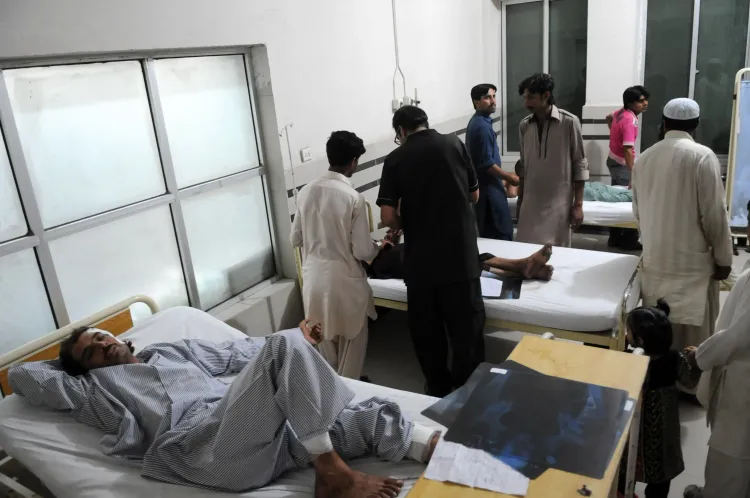
Islamabad, April 23: A devastating healthcare scandal has rocked Pakistan after 331 children were infected with HIV at a government hospital in Bhakkar city, Punjab province — reportedly after multiple children were administered vaccines using the same syringe. The incident, which has drawn sharp international condemnation, lays bare the catastrophic collapse of Pakistan's public health infrastructure and raises urgent questions about where the nation's priorities truly lie.
What Happened in Bhakkar
According to a detailed report by Khalsa Vox, the mass HIV infection of children at a government hospital in Bhakkar, Punjab has "shaken the very conscience of humanity." Investigators found that a single syringe was used to vaccinate as many as 10 children — a practice that is not only a gross violation of basic medical protocol but a criminal act of negligence.
The report categorically stated: "This cannot be dismissed as a routine medical error. It exposes the reality of a fragile and failing system where even fundamental health protocols are not followed." Whether this reflects a complete absence of medical awareness or a deliberate disregard for rules, both possibilities are described as equally alarming.
Crucially, the report noted that warning signs had appeared earlier, indicating this crisis was not sudden but rather the culmination of years of systemic neglect. This is not an isolated incident — it is a symptom of a broken system.
A System That Has Failed Its Most Vulnerable
The 331 children now living with HIV represent far more than a statistic. Each infection is a preventable tragedy — a stolen future. The Khalsa Vox report stressed that "this is not just a statistic; it represents hundreds of innocent lives whose futures have been compromised due to preventable negligence."
The failure, analysts argue, extends well beyond a single hospital ward or a handful of negligent staff members. It reflects the systemic breakdown of oversight, accountability, and timely reform across Pakistan's public health sector. Without structural intervention, such incidents are likely to recur rather than remain isolated tragedies.
The report also drew a sharp connection to poverty and social injustice, noting: "Those who have no alternatives are forced to depend on the very system that is failing them. This is not just administrative failure — it is also a form of social injustice." Pakistan's poorest citizens, with no access to private healthcare, are the primary victims of this collapse.
Where Are Pakistan's Priorities?
The Bhakkar HIV scandal has reignited a long-standing debate about resource allocation in Pakistan. While healthcare and education remain chronically underfunded, significant state resources continue to flow toward military and intelligence operations. The Khalsa Vox report pointedly questioned: "Are critical sectors like healthcare and education receiving the attention they deserve, or are they consistently sidelined in favour of other priorities?"
The report also cited the role of Pakistan's Inter-Services Intelligence (ISI), which it accused of long damaging the country's global image through alleged support for Khalistani terrorists, gangsters, and drug mafias — further diverting national focus and resources away from civilian welfare.
This imbalance, critics argue, is not accidental — it is structural. A nation that consistently underfunds its hospitals while expanding its security apparatus will inevitably face crises like Bhakkar.
Historical Pattern of Healthcare Negligence in Pakistan
This is not Pakistan's first HIV outbreak linked to unsafe medical practices. In 2019, a strikingly similar crisis unfolded in Rato Dero, Larkana district, Sindh, where over 900 children were diagnosed with HIV — also linked to the reuse of syringes and contaminated blood transfusions. A local doctor was arrested, but systemic reforms remained largely cosmetic.
The recurrence of such a crisis in 2025 in Bhakkar confirms that Pakistan has failed to translate past tragedies into meaningful policy reform. The pattern — outbreak, outrage, arrest, silence — has repeated itself with devastating consequences for the nation's children.
Notably, Pakistan ranks among the lowest in South Asia on healthcare spending as a percentage of GDP, consistently allocating less than 1.5% of GDP to public health — far below the WHO-recommended 5%. This fiscal neglect is the foundation upon which disasters like Bhakkar are built.
Global Reputation and Accountability Under Scrutiny
Pakistan's deteriorating global reputation has taken yet another blow. At a time when the country is seeking international financial assistance and diplomatic goodwill, incidents like the Bhakkar HIV outbreak project an image of a state unable to protect its own children from preventable harm.
The report concluded with a stark warning: "The strength of a nation is not measured by outward displays but by how well it ensures the basic safety of its citizens. If a country cannot even guarantee safe vaccination for its children, serious questions must be raised about its priorities."
As pressure mounts on Pakistan's federal and Punjab provincial governments to respond with concrete accountability measures, the international community — including UNICEF and the WHO — is expected to demand transparent investigations and systemic reforms. Whether Islamabad acts decisively or follows the familiar pattern of performative outrage remains to be seen.
Point of View
Made cosmetic arrests, and moved on. The recurrence six years later confirms that outrage without reform is meaningless. What the mainstream narrative misses is the structural irony: a nuclear-armed state with a sprawling intelligence apparatus cannot ensure clean syringes in its own public hospitals. Until Pakistan's leadership confronts this grotesque misallocation of national priorities, its children will continue to pay the price.
NationPress
19 Sept 2026
Frequently Asked Questions
What happened in Bhakkar, Pakistan that infected 331 children with HIV?
At a government hospital in Bhakkar, Punjab, Pakistan, 331 children were infected with HIV after being vaccinated using the same syringe — a severe violation of basic medical protocols. The incident has been described as a systemic failure rather than an isolated act of negligence.
Has Pakistan faced a similar HIV outbreak among children before?
Yes. In 2019, over 900 children were diagnosed with HIV in Rato Dero, Larkana district, Sindh, also linked to reused syringes and contaminated blood transfusions. The recurrence in Bhakkar in 2025 suggests that systemic reforms following the earlier crisis were inadequate.
Why is Pakistan's healthcare system considered to be failing?
Pakistan spends less than 1.5% of its GDP on public healthcare — far below the WHO-recommended 5% — resulting in chronic underfunding, poor oversight, and lack of accountability. This fiscal neglect disproportionately harms the poorest citizens who have no access to private healthcare.
What is the global reaction to the Bhakkar HIV scandal?
The incident has drawn sharp international criticism, further damaging Pakistan's already deteriorating global reputation. International health organisations including UNICEF and the WHO are expected to demand transparent investigations and concrete systemic reforms from Pakistani authorities.
Who is responsible for the HIV infections of 331 children in Pakistan?
While immediate responsibility lies with the hospital staff who reused syringes, reports indicate the failure is systemic — involving absent oversight, lack of accountability, and years of neglect across Pakistan's public health infrastructure. The Punjab provincial and federal governments face mounting pressure to act.