Is Pakistan's HIV Crisis a Reflection of Systemic Failures?
Synopsis
The HIV crisis in Pakistan is a dire reflection of systemic failures, showcasing the dire consequences of neglect and corruption. With shocking statistics, the report reveals a medical emergency that extends beyond health, highlighting the urgent need for reform.
Key Takeaways
Pakistan's HIV crisis reflects systemic failures.
Years of negligence and corruption have exacerbated the issue.
Contaminated medical practices are a significant risk factor.
Over 600,000 fake doctors are operating in the country.
Urgent reforms are necessary to improve healthcare standards.
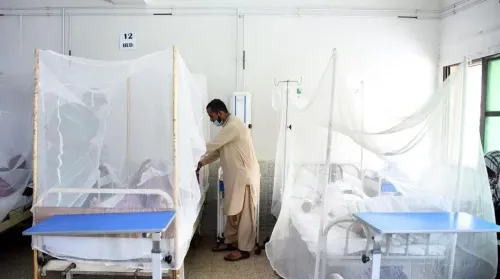
Islamabad, Dec 11 (NationPress) The escalating HIV crisis in Pakistan is not merely a health emergency; it also reveals a profound institutional failure and underscores the repercussions of years of negligence, the inability to enforce fundamental health standards, and the human toll of corruption. A report indicates that Pakistan, which has seen a significant rise in HIV cases, now ranks second among countries in the Asia-Pacific region.
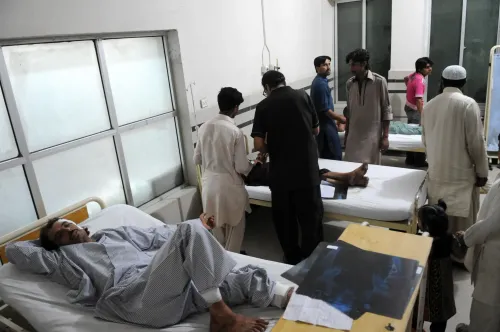
The alarming numbers point to the misuse of contaminated syringes, unregulated blood transfusions, fraudulent medical practitioners, and breaches of medical regulations. Health officials have reported 3,995 registered HIV-positive children in Sindh, a figure that only reflects documented cases, as noted in a report by European Times.
Experts express concern that the actual number of cases could be much higher, especially in rural and underprivileged areas where testing is scarce and the stigma around HIV prevents many from seeking help. Recently, Sindh's Health Minister received a briefing on what was termed an 'extremely alarming' spread of HIV infections, particularly among children, according to the report.
Data reveals that over 600,000 fraudulent practitioners operate in Pakistan, with 40% of them located in Karachi. This situation exemplifies the worsening medical malpractice crisis in the country. With a lack of proper oversight, these imposters are allowed to operate unchecked, reusing syringes, mishandling blood, and performing unsafe procedures that further propagate the spread of HIV.
The report from European Times states, 'Pakistan’s healthcare system, long encumbered by inadequate funding and mismanagement, has consistently failed to adhere to global standard operating procedures (SOPs) for infection prevention and control.' The World Health Organisation (WHO) and UNAIDS have laid out clear guidelines for safe blood transfusions, syringe disposal, and patient management.
Moreover, the few HIV treatment centers available in Pakistan are plagued by shortages of testing kits, antiretroviral medications, and trained personnel, resulting in delays in diagnosis and treatment. Patients frequently find themselves moving from one facility to another in search of basic healthcare.
The report concludes, 'Pakistan’s escalating HIV crisis transcends a mere medical emergency; it embodies a reflection of institutional decay. It highlights the repercussions of prolonged neglect, the failure to implement basic health standards, and the human cost of corruption. The tragedy of nearly 4,000 HIV-positive children in Sindh, the epidemic of fraudulent medical practitioners, and the routine use of contaminated medical tools collectively serve as a damning indictment of the state's indifference. This narrative is not about a virus spreading quietly; it is about a systemic failure that enables the virus to thrive.'
Point of View
It is crucial to emphasize that the HIV crisis in Pakistan is not merely a health issue but a systemic failure that demands immediate attention. The alarming rise in HIV cases, particularly among children, calls for rigorous enforcement of health standards and accountability within the healthcare system.
NationPress
8 Oct 2026
Frequently Asked Questions
What is the current status of the HIV crisis in Pakistan?
Pakistan is facing a severe HIV crisis, with alarming increases in cases, particularly among children, largely due to systemic failures and inadequate healthcare policies.
What are the main causes of the HIV crisis in Pakistan?
Key factors include the use of contaminated syringes, unregulated blood transfusions, and the prevalence of unqualified medical practitioners.
How many HIV-positive children are there in Pakistan?
As of the latest reports, there are approximately 3,995 registered HIV-positive children in Sindh alone.
What role do fake doctors play in the HIV crisis?
The presence of over 600,000 unqualified doctors in Pakistan contributes significantly to the medical malpractice crisis, exacerbating the spread of HIV.
What is being done to address the HIV crisis?
There are few HIV treatment centers in Pakistan, but they face shortages of necessary resources, and more systemic reforms are needed to improve healthcare standards.