UN expert urges Taliban to free detained journalists on World Press Freedom Day
Synopsis
Ahead of World Press Freedom Day, the UN's top Afghanistan rights expert has issued a stark warning: at least 34 journalists detained in 2025 alone, women reporters facing discriminatory barriers, and a climate of self-censorship now gripping even ordinary Afghans who speak to the media. The Taliban's grip on information is tightening precisely as international funding for independent Afghan journalism is drying up.
Key Takeaways
UN Special Rapporteur Richard Bennett called on the Taliban to "immediately and unconditionally" release all detained journalists on 1 May 2025 .
At least 34 journalists were detained in 2025 , according to the Afghanistan Journalists Centre (AFJC) .
Women journalists face discriminatory barriers including restrictions on freedom of movement and mandatory dress codes.
Controls imposed by Taliban authorities reportedly include censorship, surveillance, and restrictions under the law on the promotion of virtue and prevention of vice .
Declining international financial and technical support is further constraining independent media operations in Afghanistan.
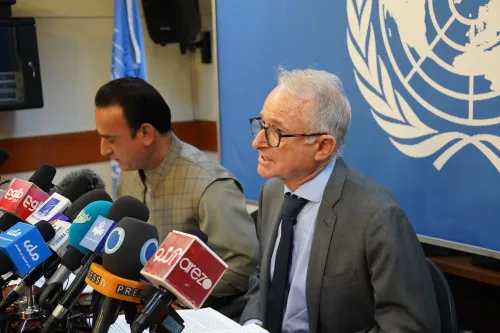
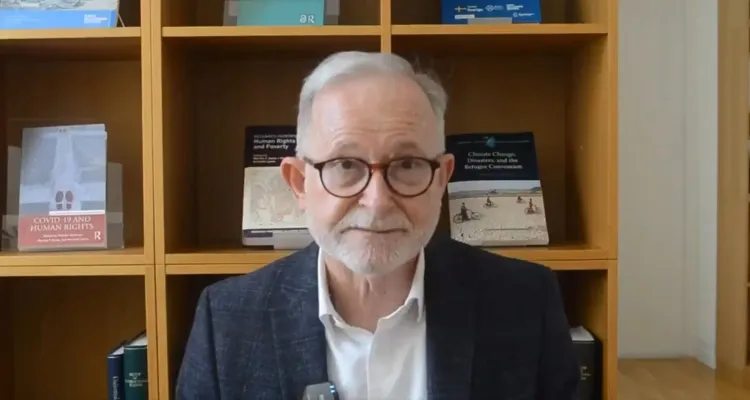
Richard Bennett, the UN Special Rapporteur on the situation of human rights in Afghanistan, on 1 May 2025 called on Taliban authorities to "immediately and unconditionally" release all detained journalists and ensure that media workers can carry out their duties without fear of reprisal, harassment, or arrest. The appeal was issued ahead of World Press Freedom Day, observed annually on 3 May.
Alarming Erosion Since Taliban's Return
Since the Taliban's return to power in 2021, Bennett warned of an alarming erosion of press freedom across Afghanistan. "Independent reporting is now severely constrained, with journalists and media workers operating in an increasingly restrictive and hostile environment in which they are subjected to a wide range of controls imposed by the de facto authorities," he stated. These controls reportedly include censorship, intrusive surveillance, and so-called legal restrictions stemming from the law on the promotion of virtue and prevention of vice.
Bennett stressed that a climate of fear has led to widespread self-censorship — extending beyond journalists to their sources. Afghans who speak to the media have reportedly faced threats, surveillance, and even detention, further undermining the free flow of information.
Journalists Detained, Women Reporters Worst Affected
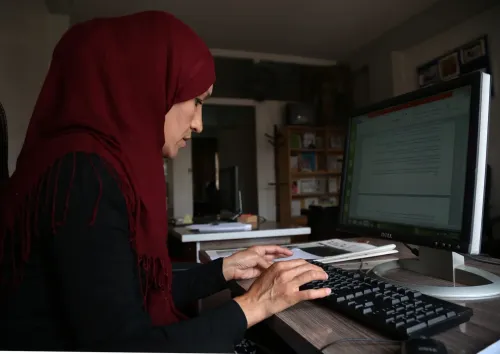
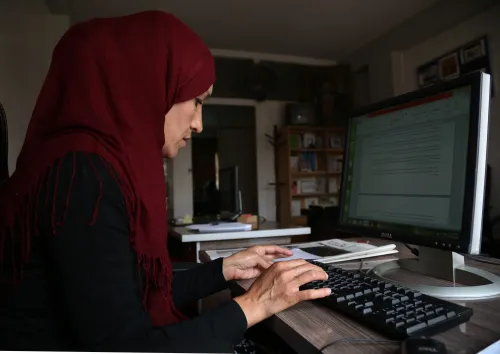
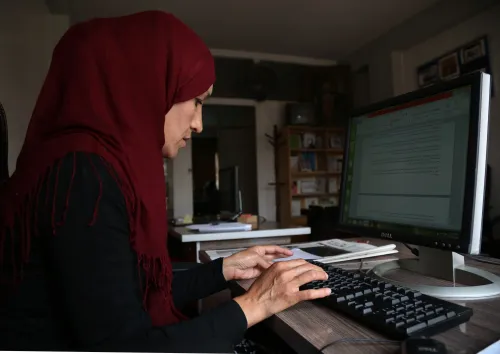
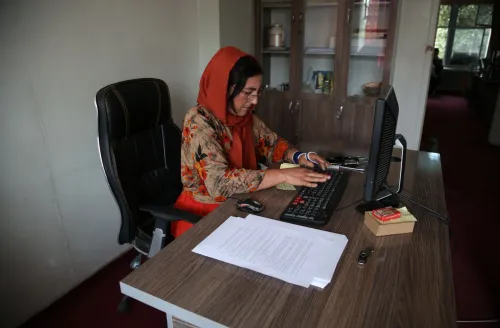
Citing data from the Afghanistan Journalists Centre (AFJC), Bennett noted that at least 34 journalists were detained in 2025 alone. He added that the situation for women journalists has become especially challenging, as they face discriminatory barriers including restrictions on freedom of movement and mandatory dress codes. Bennett also expressed concern over the unequal treatment of women journalists compared to their male counterparts.
"Even routine reporting can carry serious risks. These are heightened when publications are deemed critical of the Taliban or cover sensitive issues, particularly on the rights of women and girls. Threats and intimidation have become commonplace, with accusations of collaborating with foreign-based outlets attracting particular ire," he added.
Declining International Support Compounds the Crisis
The UN expert further highlighted that Afghanistan's independent media is being severely affected by declining international financial and technical support. "While independent reporting is most needed, these cuts are severely constraining journalists' ability to operate safely, access information, and sustain consistent, on-the-ground reporting, including on human rights violations and abuses," Bennett said.
This comes amid a broader global trend of reduced donor funding for independent journalism in conflict-affected states, making Afghanistan's media landscape particularly vulnerable at a time when accountability reporting is most critical.
Call for International Solidarity
Marking World Press Freedom Day, Bennett called on the international community to stand in solidarity with Afghan journalists. He stressed that increased funding and technical support for independent media organisations, combined with robust protection mechanisms for journalists at risk, are essential. "A free and independent press is not only a cornerstone of human rights; it is indispensable for Afghanistan's future," he concluded.
Point of View
But the structural crisis it describes goes beyond Taliban repression alone. International donors cutting funding for Afghan independent media — at the very moment press freedom is most imperilled — is a compounding failure that the global community has been slow to reckon with. The detention of 34 journalists in a single year is not an aberration; it is policy. And with women journalists now facing layered discrimination — legal, logistical, and physical — Afghanistan's information ecosystem is being systematically dismantled. The world's solidarity statements on World Press Freedom Day ring hollow without a concrete funding and protection commitment to back them.
NationPress
19 Sept 2026
Frequently Asked Questions
Why is the UN calling on the Taliban to release journalists?
UN Special Rapporteur Richard Bennett issued the call ahead of World Press Freedom Day on 3 May 2025, citing the detention of at least 34 journalists in 2025 alone and a broader climate of censorship, surveillance, and intimidation imposed by Taliban authorities since their return to power in 2021.
How many journalists have been detained in Afghanistan in 2025?
According to the Afghanistan Journalists Centre (AFJC), at least 34 journalists were detained in Afghanistan in 2025. The UN Special Rapporteur cited this figure in his appeal for their unconditional release.
What restrictions do Afghan journalists face under Taliban rule?
Afghan journalists reportedly face censorship, intrusive surveillance, and legal restrictions under the Taliban's law on the promotion of virtue and prevention of vice. Women journalists additionally face restrictions on freedom of movement and mandatory dress codes, making their working conditions particularly difficult.
How is the decline in international funding affecting Afghan media?
Declining international financial and technical support is severely constraining journalists' ability to operate safely, access information, and sustain on-the-ground reporting, according to Bennett. This comes at a time when independent reporting on human rights violations is most critically needed.
What is World Press Freedom Day and why does it matter for Afghanistan?
World Press Freedom Day is observed annually on 3 May to highlight the importance of a free press globally. For Afghanistan, the day is particularly significant as the country faces one of the most severe press freedom crises in the world, with journalists detained, censored, and threatened under Taliban rule since 2021.