Taliban turn Afghanistan into 'prison for information' in 5 years: RSF
Synopsis
Five years after seizing power, the Taliban has not just restricted journalism — it has criminalised it. A secret Code of Criminal Procedure adopted in January 2026 now formally bans criticism of Taliban leadership, and RSF says women journalists have been all but erased. Hundreds of Afghan journalists have fled the country, and the watchdog is warning host nations: sending them back could cost them their lives.
Key Takeaways
Reporters Without Borders (RSF) declared on 10 August that the Taliban has turned Afghanistan into a 'prison for information' over five years.
The Taliban has issued more than 20 national directives and multiple provincial decrees targeting press freedom since August 2021 .
A Code of Criminal Procedure secretly adopted in January 2026 criminalises criticism of Taliban leadership and contact with government opponents.
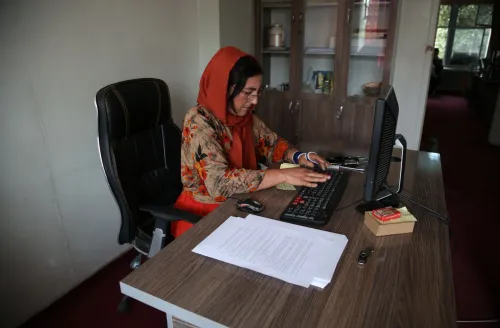
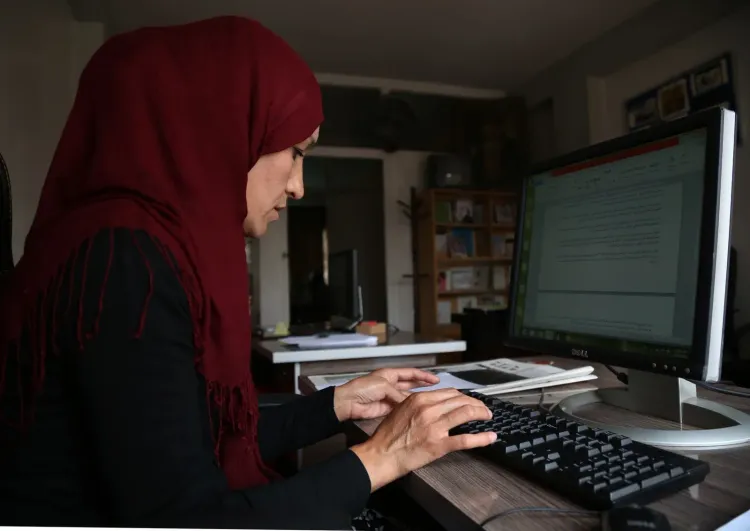
Women journalists have been 'all but erased' from Afghanistan's media landscape, according to RSF.
Hundreds of Afghan journalists have fled the country to escape repression; RSF is urging host nations not to deport them.
Celia Mercier , RSF South Asia Desk head, called for the repeal of every provision restricting press freedom in Afghanistan.
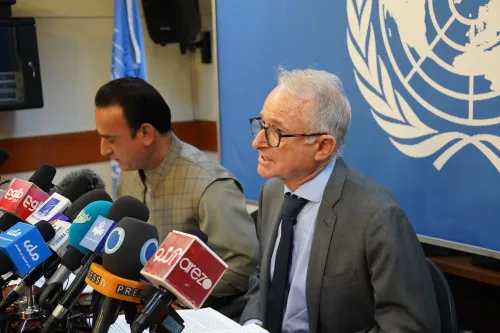
Media watchdog Reporters Without Borders (RSF) on Monday, 10 August declared that the Taliban has systematically dismantled press freedom across Afghanistan over the past five years, with each successive directive further narrowing the space available to journalists and independent media organisations. The assessment marks a grim milestone since the Taliban's return to power in August 2021.
Scale of the Crackdown
According to RSF, the Taliban has issued more than 20 national directives and several provincial decrees since seizing control, all aimed at dismantling independent journalism in the country. Verbal orders communicated by Taliban officials have compounded the written restrictions, effectively stifling the broader media landscape.
'Journalism is increasingly throttled as criticism of the regime is forbidden, women face sweeping restrictions, political debate has been silenced, and broadcasting images of living beings is banned. Reporters Without Borders calls for an end to this crackdown,' the watchdog said in its statement.
Secret Criminal Code Crosses a New Line
RSF flagged a significant escalation in January 2026, when the Taliban quietly adopted a Code of Criminal Procedure for its courts — a document that only came to light after a leak. While the code makes no explicit mention of the press, it provides no protection for media professionals and does not exempt them from its provisions, leaving journalists exposed to severe legal penalties including imprisonment.
Critically, the code criminalises insults directed at Taliban leadership and punishes any contact with government opponents — effectively writing the ban on criticism into law and formally codifying censorship, according to RSF.
Women Journalists 'All but Erased'
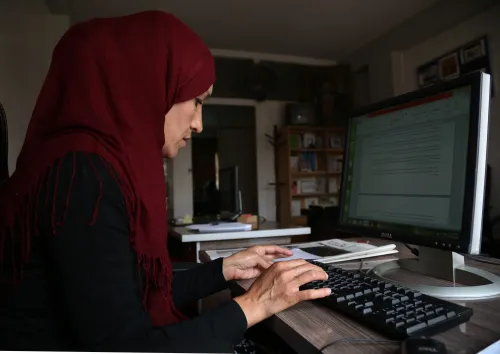
RSF's statement drew particular attention to the near-total erasure of women from Afghanistan's media landscape. Female journalists have faced sweeping restrictions that have, in practice, driven them out of the profession entirely. The watchdog noted that hundreds of Afghan journalists — women and men — have been compelled to flee the country to escape repression, preserve their lives, and continue their work from abroad.
RSF's Call to Action
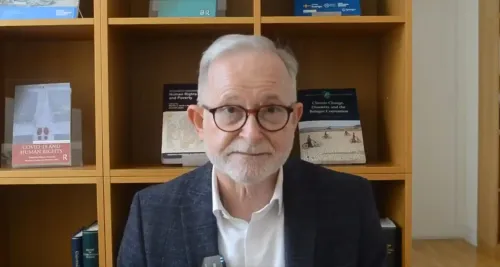
Celia Mercier, head of the RSF South Asia Desk, said: 'In five years, the Taliban have methodically turned Afghanistan into a prison for information. Every new directive further shrinks the space for journalists and independent media. The ban on criticism is now written into law, formally codifying censorship. Women journalists have been all but erased, debate has been silenced, and every independent voice is prosecuted. By criminalising media professionals, the de facto authorities are seeking absolute control over the flow of information.'
Mercier called for the repeal of every provision that restricts press freedom in Afghanistan. She also urged host countries to recognise the danger that deportation or forced return poses to Afghan media professionals who have sought refuge abroad.
What Comes Next
With censorship now embedded in Afghanistan's legal code and no international accountability mechanism in place, press freedom advocates warn that conditions for journalists inside the country are unlikely to improve in the near term. The RSF report adds to a growing body of documentation that international bodies and governments may face pressure to act on — particularly regarding the treatment of Afghan journalists seeking asylum.
Point of View
But the more consequential detail is the January 2026 criminal code — because it shifts Taliban media repression from policy to law. Informal directives can be reversed; codified criminal penalties cannot without a formal legislative act. The international community has largely accepted a posture of 'engagement over isolation' with Kabul, but that calculus looks increasingly untenable when censorship is now embedded in statute. The specific warning to host countries about deportation of Afghan journalists is also pointed: several democracies, including in Europe, have been quietly returning Afghan asylum seekers. RSF is putting those governments on notice that press freedom is now a deportation risk factor, not just a bilateral concern.
NationPress
25 Sept 2026
Frequently Asked Questions
What has RSF said about press freedom in Afghanistan under the Taliban?
Reporters Without Borders (RSF) said on 10 August that the Taliban has methodically turned Afghanistan into a 'prison for information' over the five years since it seized power in August 2021. The watchdog documented more than 20 national directives and multiple provincial decrees that have dismantled independent journalism in the country.
What is the Taliban's new Code of Criminal Procedure and why does it matter for journalists?
The Code of Criminal Procedure is a legal framework the Taliban secretly adopted in January 2026, which came to light only after a leak. It does not mention the press but provides no protection for journalists, criminalises criticism of Taliban leadership, and punishes contact with government opponents — effectively writing censorship into law.
How have women journalists been affected by Taliban media restrictions?
RSF says women journalists in Afghanistan have been 'all but erased' from the media landscape due to sweeping restrictions imposed by the Taliban. Female journalists face some of the most severe constraints, leaving them with virtually no space to practise their profession inside the country.
Why are hundreds of Afghan journalists fleeing the country?
According to RSF, hundreds of Afghan journalists have been forced to leave Afghanistan to escape repression, protect their lives, and continue working in exile. The watchdog has urged host countries to recognise the danger that deportation or forced return poses to these media professionals.
What is RSF calling for in response to the Taliban's media crackdown?
RSF is calling for the repeal of every provision that restricts press freedom in Afghanistan. The organisation's South Asia Desk head, Celia Mercier, also urged host countries to acknowledge the severity of the crackdown and the life-threatening risk that forced repatriation poses to Afghan journalists abroad.