Pakistan's crackdown on Afghans: Millions displaced, thousands detained, hundreds killed
Synopsis
Pakistan's security crackdown on Afghanistan has morphed into a full-scale humanitarian crisis: millions displaced, tens of thousands detained, female medical students facing the permanent loss of education, and journalists forcibly returned to the Taliban regime they once fled. A Khaama Press report frames this not just as a bilateral dispute but as a systematic erosion of civilian protections — with the international community largely silent.
Key Takeaways
Pakistan's actions have displaced millions of Afghan refugees and detained tens of thousands , according to a Khaama Press report.
Pakistan's Medical and Dental Council on 1 September ordered Afghan students to leave, affecting roughly 100 students in Lahore , including 20–40 women .
At least 50 Afghan journalists have been forcibly returned from Pakistan to Afghanistan since the mass deportation policy began, per Reporters Without Borders .
The Committee to Protect Journalists documented Afghan reporters detained in Islamabad despite holding valid Pakistani visas and passports.
Pakistan cites the Tehreek-e-Taliban Pakistan (TTP) as justification; Kabul has repeatedly denied providing militant sanctuary.
Afghan women face the starkest consequence: deportation from Pakistan could permanently end their education, as the Taliban bans women from universities inside Afghanistan.
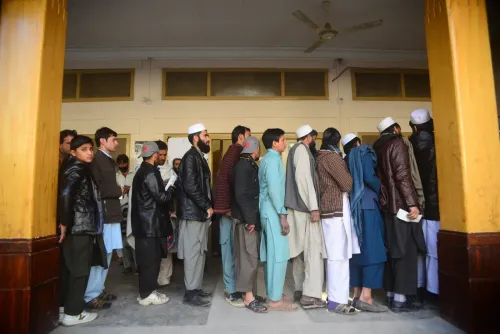
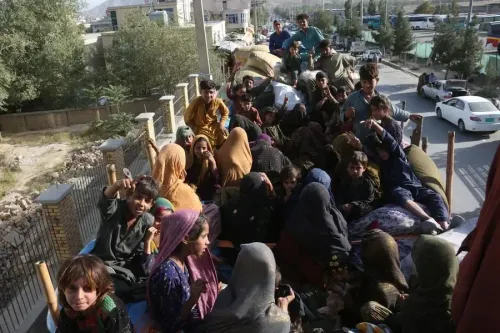
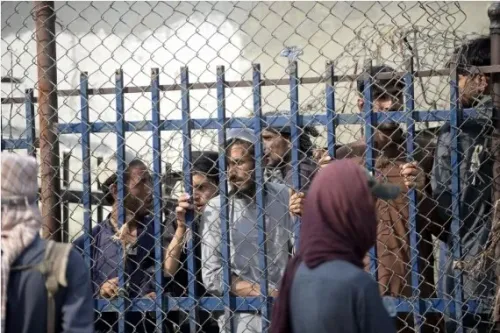
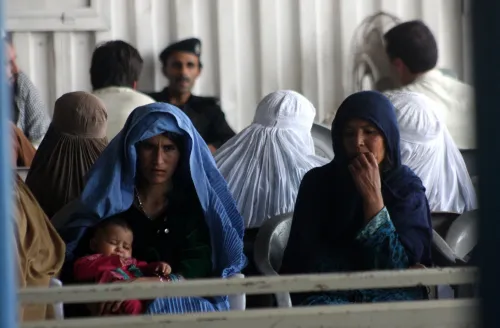
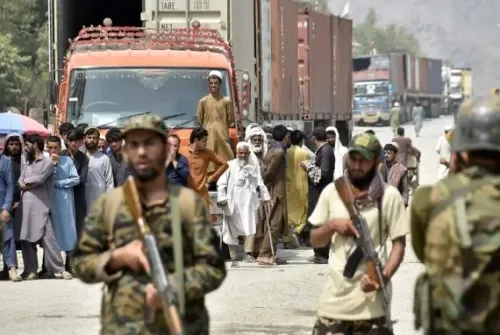
Pakistan's sweeping actions against Afghan nationals have inflicted a severe humanitarian toll, with millions of refugees displaced, tens of thousands detained, students expelled from universities, journalists facing forced repatriation, and hundreds of civilians killed in military operations inside Afghanistan, according to a detailed report by Khaama Press, Afghanistan's leading news agency.
The findings point to a crisis that extends far beyond the security dispute between Islamabad and Kabul, cutting across every segment of Afghan civilian life — from families in Pakistani cities to women pursuing medical degrees abroad.
The Security Justification and Its Human Cost
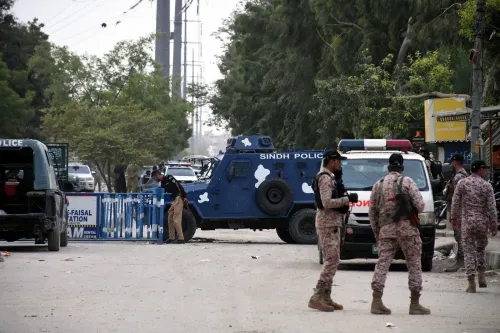
Pakistan has increasingly framed its confrontation with Afghanistan as a matter of national security, accusing Taliban authorities of providing sanctuary to the Tehreek-e-Taliban Pakistan (TTP) and other militant groups on Afghan soil. Kabul has repeatedly denied these allegations.
But the report argues that ordinary Afghans — refugees, children, students, journalists, patients, traders and families — have borne the consequences of this security framing disproportionately. 'The pattern extends far beyond the battlefield. It runs from homes searched in Pakistani cities to families separated during deportation; from Afghan students ordered out of universities to journalists facing return to the Taliban government they fled; from border restrictions disrupting livelihoods to Pakistani military operations that have caused significant civilian casualties inside Afghanistan,' the report noted.
Afghan Medical Students Ordered Out of Pakistan
Pakistan's Medical and Dental Council on 1 September directed Afghan students already enrolled in medical and dental programmes to return to Afghanistan, while simultaneously barring new Afghan admissions for the ongoing academic session.
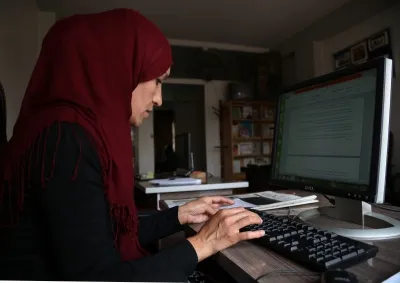
According to the Human Rights Commission of Pakistan, approximately 100 Afghan students in Lahore face immediate impact, among them an estimated 20 to 40 women. The consequences for Afghan women are described as particularly severe: Taliban restrictions inside Afghanistan have effectively shut women out of universities and medical education, meaning deportation for a female medical student could mean the permanent end of her education.
Afghan Journalists Caught in a Grim Paradox
The report highlights a deeply troubling situation facing Afghan journalists in Pakistan. The Committee to Protect Journalists documented cases of Afghan reporters being detained in Islamabad despite holding valid Pakistani visas and passports.
Reporters Without Borders found that as many as 50 Afghan journalists have been forcibly returned from Pakistan to Afghanistan since Pakistan launched its mass deportation policy. Many of those journalists had originally fled Afghanistan due to threats and repression under Taliban rule. 'The result is a grim paradox: people who escaped Afghanistan because journalism placed them in danger have found themselves at risk of being sent back into that same danger,' the report stated.
The Broader Humanitarian Picture
The report challenges the framing of Afghan deportees as security threats, arguing that international humanitarian principles do not permit blanket treatment of a nationality as a risk category. 'A refugee is not a militant because of nationality. A medical student is not responsible for relations between Kabul and Islamabad. A journalist seeking protection is not a security threat merely because he or she is Afghan,' it stated.
This comes amid a broader pattern of deteriorating Pakistan-Afghanistan relations, with the TTP dispute serving as the central flashpoint. The humanitarian fallout, critics argue, is a consequence of policy choices that blur the line between combatants and civilians.
What Lies Ahead
With deportations ongoing and no diplomatic resolution in sight, Afghan civilians — particularly women, journalists, and students — remain acutely vulnerable. Observers say the international community has yet to apply meaningful pressure on either Islamabad or the Taliban to protect those caught in the crossfire of a dispute neither side shows signs of resolving.
Point of View
Allowing Islamabad to treat humanitarian obligations as optional. The deeper problem is structural: when a state defines an entire nationality as a security variable, due process collapses — and the most vulnerable pay the highest price.
NationPress
25 Sept 2026
Frequently Asked Questions
Why is Pakistan deporting Afghan nationals?
Pakistan has justified its crackdown on Afghans by citing national security concerns, particularly the presence of the Tehreek-e-Taliban Pakistan (TTP), which it alleges operates from Afghan soil with Taliban acquiescence. Kabul has denied these allegations. Critics argue the policy conflates genuine security threats with civilian refugees, students, and journalists.
How many Afghan students are affected by Pakistan's university ban?
Pakistan's Medical and Dental Council on 1 September ordered Afghan students enrolled in medical and dental programmes to return to Afghanistan and barred new Afghan admissions. The Human Rights Commission of Pakistan estimates around 100 students in Lahore are directly affected, including 20 to 40 women.
What is happening to Afghan journalists in Pakistan?
At least 50 Afghan journalists have been forcibly returned from Pakistan to Afghanistan since the mass deportation policy began, according to Reporters Without Borders. Many of these journalists originally fled Taliban repression, meaning deportation returns them to the danger they escaped. The Committee to Protect Journalists also documented cases of Afghan reporters detained in Islamabad despite holding valid visas.
Why is the situation especially severe for Afghan women?
Taliban restrictions inside Afghanistan have effectively barred women from universities and medical education. For a female Afghan student deported from Pakistan, returning home does not mean transferring to another institution — it likely means the permanent end of her education and career.
What is the broader humanitarian scale of Pakistan's actions?
According to the Khaama Press report, Pakistan's actions have displaced millions of Afghan refugees, detained tens of thousands, and resulted in hundreds of civilian deaths in military operations inside Afghanistan. The report argues this constitutes a humanitarian crisis that far exceeds the scope of a bilateral security dispute.