Afghan migrants deported from Pakistan face torture, harassment: Reports
Synopsis
Pakistan has crossed a line that UN experts explicitly warned against: forcibly deporting Afghan migrants from Khyber Pakhtunkhwa, with first-hand accounts of factory workers being arrested mid-shift, stripped of wages, and pushed through the Torkham crossing. Over 127,000 Afghans have already returned since July — at least 14,186 of them by force — and the October 31 deadline has now expired, signalling an imminent escalation.
Key Takeaways
Pakistan stepped up deportations from Khyber Pakhtunkhwa after an October 31, 2026 deadline expired.
Deported migrants, including one named Najibullah , alleged harassment, torture, and arbitrary detention by Pakistani police.
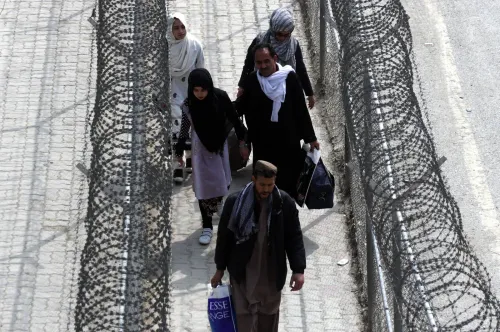
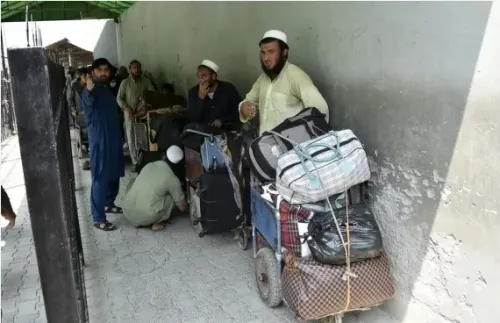
Around 50 Afghan families crossed back into Afghanistan via the Torkham crossing by Monday.
Approximately 127,344 Afghans returned between 10 July and 27 August 2026 ; at least 14,186 were reportedly forcibly removed.
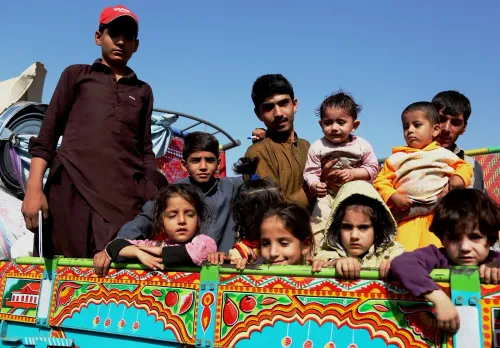
Around 38,388 of those crossing were women and children; at least 100 Afghan students in Pakistan face expulsion from medical and dental institutions.
United Nations experts warned Pakistan on 18 September to halt forced returns and establish individual risk assessments under the principle of non-refoulement .
Pakistan has intensified the deportation of Afghan migrants from Khyber Pakhtunkhwa province following the expiry of an October 31 deadline, with recently returned Afghans alleging beatings, arbitrary detention, and confiscation of money by Pakistani police. The accounts, reported by Tolo News on Tuesday, 3 November 2026, paint a troubling picture of a crackdown that United Nations experts had warned against as recently as September 18.
What Deported Migrants Reported
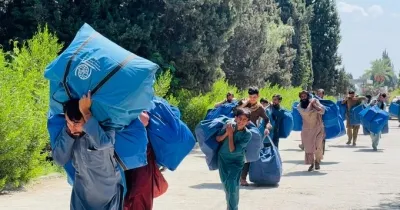
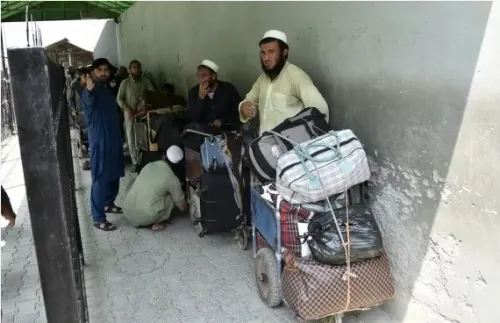
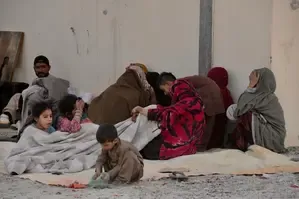
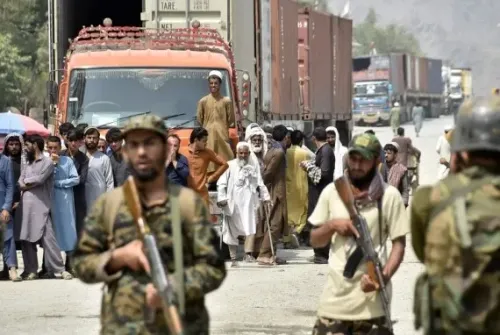
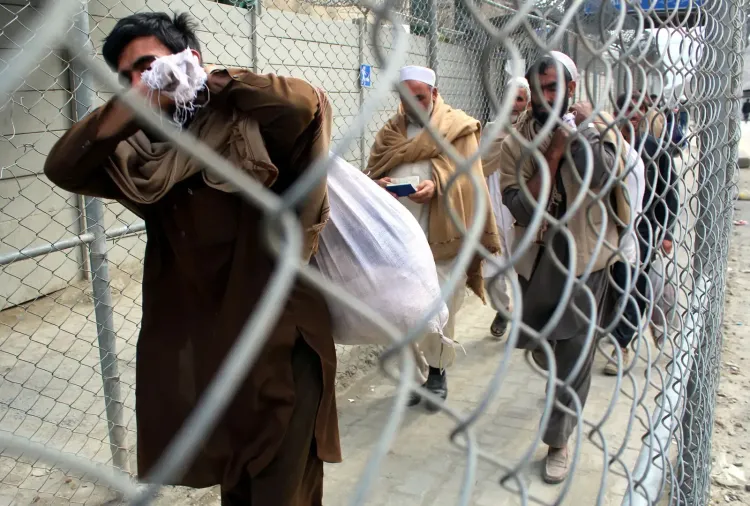
Around 50 Afghan families crossed back into Afghanistan through the Torkham crossing by Monday, as arrests of Afghan nationals continued in multiple parts of Khyber Pakhtunkhwa. One deported migrant, identified as Najibullah, said Pakistani police launched operations against Afghan refugees after a state of emergency was declared in the province. He alleged that Afghans were being picked up from homes, roads, and markets and taken to detention centres ahead of forced deportation.
A second deported migrant, quoted by Tolo News, described a more direct account of economic coercion: 'We were working at a factory there and earning around 600 Pakistani rupees a day. But they stopped us from working, took the money we had, arrested us at our workplace and forcibly deported us through the Torkham crossing.' A third returnee expressed despair over the absence of employment in Afghanistan, urging the Taliban administration to provide permanent jobs and address the worsening economic crisis facing returnees.
UN Warning and Non-Refoulement Obligations
The latest wave of deportations comes despite a formal warning issued on 18 September by United Nations human rights experts, who called on Islamabad to halt forced returns and urgently screen those at risk of persecution or torture before any removal. 'We are gravely concerned over Pakistan's forced return of Afghans. The immediate priority is the establishment of a transparent and accessible procedure through which Afghans at risk can come forward, be individually assessed, and obtain protection from removal while that assessment is carried out,' the experts said in a statement. They further cautioned that without such procedures, vulnerable individuals would remain in hiding out of fear of arrest.
The experts specifically invoked the principle of non-refoulement — the international obligation not to return any person to a situation where they face a real risk of persecution, torture, cruel or inhuman treatment, enforced disappearance, or other irreparable harm. Pakistan has not formally responded to these findings.
Scale of the Crisis: Key Numbers
According to information cited by the UN experts, approximately 127,344 Afghans crossed back into Afghanistan between 10 July and 27 August 2026. Of these, at least 14,186 were reportedly removed forcibly. Around 38,388 of those crossing the border were women and children — a demographic that the experts highlighted as especially vulnerable. The deportation drive was triggered by a directive from Pakistan's Ministry of Interior issued on 28 June 2026, which instructed provincial authorities to detain and deport Afghan nationals without valid documentation after 10 July.
Afghan Students Also Affected
Beyond the general migrant population, the UN experts also flagged that Pakistani authorities had ordered all medical and dental institutions to remove Afghan students from their programmes. At least 100 Afghan students currently enrolled in Pakistan are reportedly affected, including 20 to 40 women, according to the experts' assessment.
What Happens Next
With the October 31 deadline now passed, deportations are expected to accelerate in the coming weeks. Aid organisations operating at the Torkham crossing have flagged an inadequate reception infrastructure on the Afghan side, leaving returnees — many of whom departed years ago — with few immediate resources. The Taliban administration's capacity and willingness to absorb, document, and support the returning population remains uncertain, raising the risk of compounded displacement within Afghanistan itself.
Point of View
The UN raised formal alarms in September, and Islamabad has simply carried on. The gap between international humanitarian law obligations and on-the-ground enforcement is now stark: Pakistan is a signatory to no shortage of conventions, yet the accounts emerging from Torkham describe systematic wage theft, workplace raids, and family separations. The real pressure point is that Afghanistan under the Taliban is neither willing nor equipped to absorb 127,000-plus returnees with dignity, meaning the humanitarian cost of this crackdown will compound on both sides of the border. Coverage that frames this purely as a bilateral Pakistan-Afghanistan issue misses the global refugee governance failure at its core.
NationPress
3 Nov 2026
Frequently Asked Questions
Why is Pakistan deporting Afghan migrants from Khyber Pakhtunkhwa?
Pakistan's Ministry of Interior issued a directive on 28 June 2026 instructing provincial authorities to detain and deport Afghan nationals without valid documentation after 10 July. An additional October 31 deadline set for Khyber Pakhtunkhwa has since expired, prompting an intensified crackdown. Pakistani authorities declared a state of emergency in the province, triggering operations against Afghan residents.
What are deported Afghan migrants alleging happened to them in Pakistan?
Deported migrants have alleged that Pakistani police arrested them at workplaces, homes, roads, and markets, confiscated their wages, and transported them to detention centres before pushing them through the Torkham crossing. One migrant named Najibullah alleged widespread harassment and torture following the state of emergency declaration in Khyber Pakhtunkhwa.
How many Afghans have been deported from Pakistan in 2026?
According to information cited by UN human rights experts, approximately 127,344 Afghans crossed back into Afghanistan between 10 July and 27 August 2026. Of these, at least 14,186 were reportedly forcibly removed. Around 38,388 of those crossing were women and children.
What did United Nations experts say about Pakistan's deportation policy?
On 18 September, UN experts warned Pakistan against forcibly deporting Afghan refugees and called for an individual risk-assessment process before any removal. They invoked the principle of non-refoulement — the international obligation not to return individuals to situations involving persecution, torture, or other serious harm — and urged Pakistan to halt removals of women and unaccompanied children in particular.
Are Afghan students in Pakistan also affected by the crackdown?
Yes. Pakistani authorities have reportedly directed all medical and dental institutions to remove Afghan students from their programmes. At least 100 Afghan students currently enrolled in Pakistan are reportedly affected, including between 20 and 40 women, according to the UN experts' assessment.