Kabul urges UN to intervene as Pakistan harasses Afghan refugees at border
Synopsis
Over 146,000 Afghans have been deported from Pakistan in 2026, with police conducting warrantless raids and demanding bribes — even from those holding valid visas. Kabul is now appealing to the UN for urgent intervention, while Human Rights Watch warns that Pakistan's forced deportations may violate international law and send journalists and activists back to Taliban persecution.
Key Takeaways
Afghanistan's High Commission for Addressing Migrants' Problems has urged UNHCR and international organisations to hold urgent talks with Pakistan over Afghan refugee harassment.
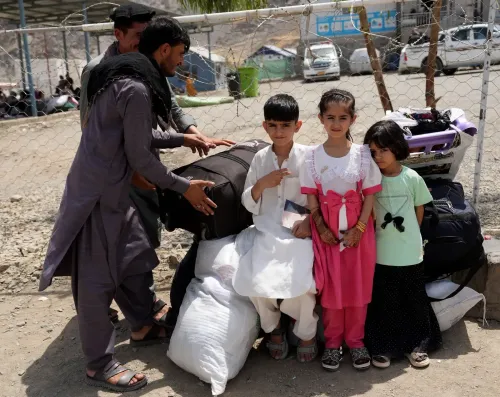
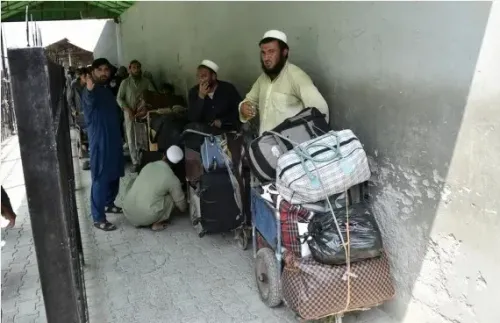
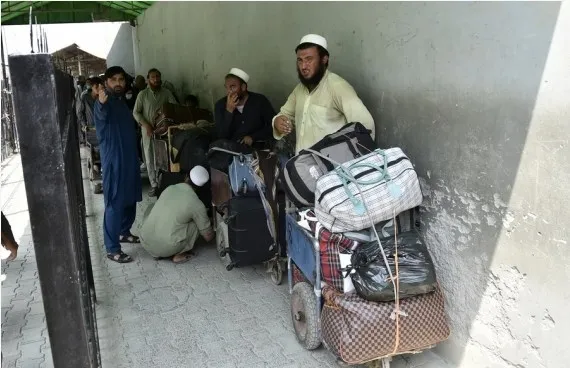
Afghan returnees at the Torkham crossing are reportedly held on the Pakistani side for days, including women, children, and elderly people.
Over 146,000 Afghans have been deported from Pakistan in 2026 , with numbers rising sharply since 1 April .
Human Rights Watch (HRW) says Pakistani police have conducted warrantless raids, demanded bribes, and arrested Afghans with valid visas.
HRW warns deportations may violate the UN Convention Against Torture and the international law prohibition against refoulement .
Among those deported are journalists and rights defenders who fled Afghanistan after the Taliban takeover in August 2021 .
Afghanistan's High Commission for Addressing Migrants' Problems has urged international organisations and the United Nations High Commissioner for Refugees (UNHCR) to hold urgent talks with Pakistan, demanding that Afghan nationals be protected from harassment and allowed a safe, swift return home. The appeal, reported by Ariana News, comes amid escalating border tensions and a sharp rise in forced deportations from Pakistani territory in 2026.
Commission's Urgent Appeal
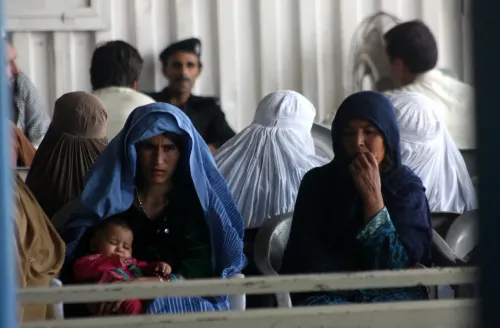
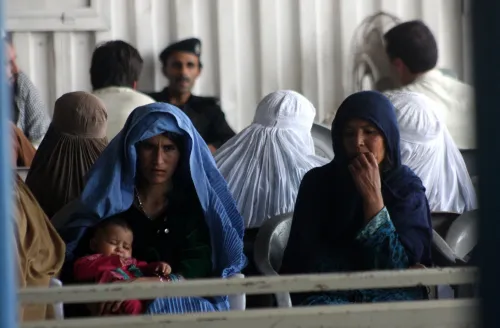
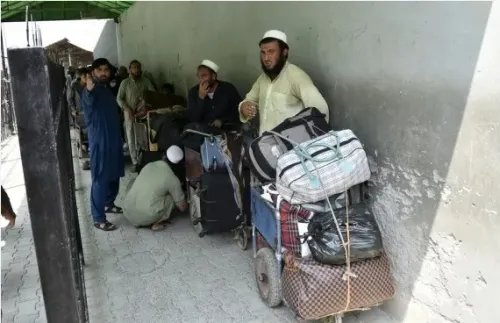
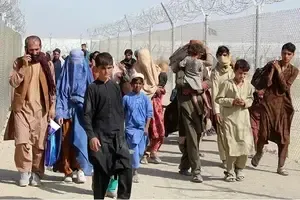
The commission stressed that Afghan refugee issues must be treated as a matter of urgency, specifically flagging the Torkham crossing — a key land border between the two countries — where returning Afghans are reportedly held up on the Pakistani side for days at a stretch. Women, children, and elderly people are among those waiting in uncertain conditions on open roads, according to the commission's statement.
"Our request is that Afghan migrants should not be left waiting on the other side of the border," the commission said. It further stated that Afghanistan has the necessary capacity to receive and resettle returnees, adding: "Regardless of the number arriving each day, we are able to manage them and provide the required services."
Human Rights Watch Documents Abuses
Last month, US-based advocacy group Human Rights Watch (HRW) reported that Pakistani authorities have sharply increased raids, arbitrary detentions, and forced deportations of Afghan refugees following renewed border clashes with Afghanistan since February 2026. According to HRW, thousands of vulnerable Afghans — including children — have faced serious difficulties accessing healthcare, education, and other essential services due to ongoing police operations.
HRW warned that Pakistan's forced deportation of Afghans may amount to violations of the country's obligations as a party to the UN Convention Against Torture and the customary international law prohibition against refoulement — the forced return of individuals to places where they face a genuine risk of persecution, torture, or threats to their life.
Fereshta Abbasi, a researcher at HRW, said: "Pakistani authorities are spreading fear among Afghan refugees instead of treating them as people in need of protection. Abusive police practices are forcing people to forgo food and healthcare while mass deportations are returning refugees to possible persecution and worse in Afghanistan." Abbasi urged Pakistan to immediately stop forcibly returning Afghan refugees and take action against abusive police practices.
Scale of Deportations and Police Conduct
Since fighting between Pakistan and Afghanistan escalated in February 2026, Pakistani police have conducted door-to-door raids, late-night home searches, and arrests without warrants in several areas of the country. Notably, police have arrested Afghans holding valid visas alongside those without proper documentation — a situation complicated by the fact that Pakistani authorities stopped renewing Proof of Registration (PoR) cards and other residency documents for Afghan refugees in 2023.
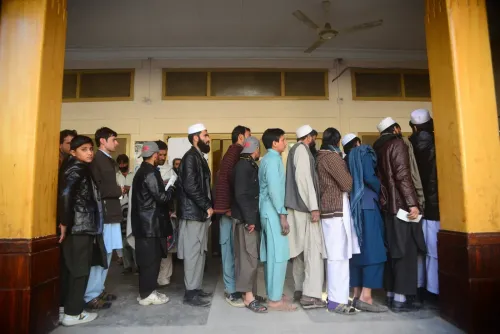
Over 146,000 Afghans have been deported from Pakistan in 2026 alone, with numbers rising sharply since 1 April. Detained refugees are typically transferred to holding centres before being deported. HRW interviewed eight Afghans in Pakistan between February and April 2026, and four others who had recently returned to Afghanistan, along with representatives of aid groups. Those interviewed reported that police arrested Afghans while shopping, attending school, and seeking day labour — seizing phones and cash, and demanding bribes for release. Those unable to pay were detained and deported.
Journalists and Rights Defenders at Risk
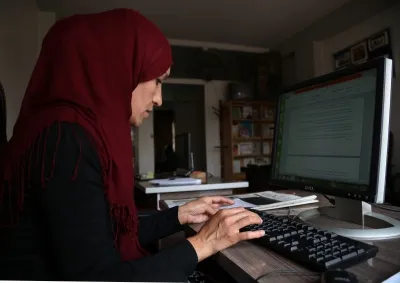
HRW highlighted that many of those being deported face acute danger upon return to Afghanistan, including journalists, human rights defenders, and activists who had ties to the former Afghan government or were perceived as critics of the Taliban. Among those forcibly deported are journalists who fled Afghanistan after the Taliban seized power in August 2021. The organisation urged the international community to raise concerns about these practices directly with the Pakistani government.
What Happens Next
With deportation numbers climbing and the Torkham crossing remaining a flashpoint, the pressure on UNHCR and international bodies to mediate is intensifying. Whether Pakistan responds to diplomatic engagement — or whether the situation deteriorates further for the estimated hundreds of thousands of Afghans still on Pakistani soil — will be closely watched in the weeks ahead.
Point of View
000-deportation figure is not a bureaucratic statistic — it represents a systematic dismantling of refugee protection norms by a state that stopped renewing residency documents in 2023, effectively manufacturing illegality among people it was obligated to protect. Pakistan's refusal to renew PoR cards, followed by mass arrests of those without valid documents, has the hallmarks of a deliberate policy rather than an enforcement overstep. The international community's response has been muted, and UNHCR's leverage over Islamabad is limited. What is often missed in coverage is that the Taliban-governed Afghanistan Kabul is asking refugees to return to is itself the reason many fled — making Kabul's assurances of 'capacity to receive' cold comfort for journalists and activists on the deportation list.
NationPress
25 Sept 2026
Frequently Asked Questions
Why is Kabul urging UN intervention over Afghan refugees in Pakistan?
Afghanistan's High Commission for Addressing Migrants' Problems has called on UNHCR and international organisations to hold talks with Pakistan after Afghan refugees — including women, children, and the elderly — were reportedly detained for days at the Torkham crossing and subjected to harassment. The appeal follows a sharp rise in forced deportations, with over 146,000 Afghans deported from Pakistan in 2026.
How many Afghans have been deported from Pakistan in 2026?
Over 146,000 Afghans have been deported from Pakistan in 2026, according to Human Rights Watch. The numbers have risen sharply since 1 April 2026, coinciding with an escalation in border clashes between Pakistan and Afghanistan.
What violations has Human Rights Watch alleged against Pakistan?
HRW has alleged that Pakistani police conducted warrantless raids, late-night home searches, arbitrary arrests, and demanded bribes from Afghan refugees. It also warned that forced deportations may violate Pakistan's obligations under the UN Convention Against Torture and the international law principle of non-refoulement.
Who is most at risk among Afghan deportees?
HRW identified journalists, human rights defenders, activists, and individuals with ties to the former Afghan government as being at acute risk if deported. Many fled Afghanistan after the Taliban seized power in August 2021 and could face persecution or worse upon return.
Why do many Afghan refugees in Pakistan lack valid documents?
Pakistani authorities stopped renewing Proof of Registration (PoR) cards and other residency documents for Afghan refugees in 2023, leaving many without legally valid paperwork despite having lived in Pakistan for years. Police have arrested both those with valid visas and those without documents.