Over 3000 Afghan refugees forcibly deported from Pakistan, Iran?
Synopsis
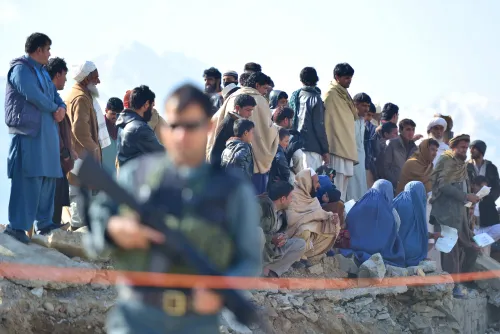
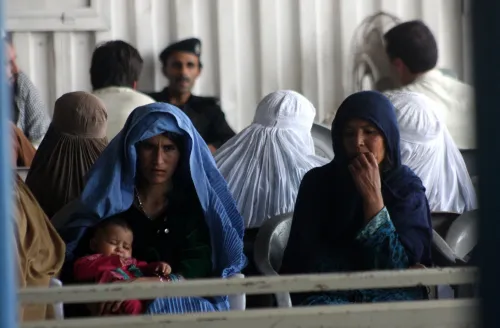
In a staggering incident reported on December 2, over 3,000 Afghan refugees were forcibly repatriated from Pakistan and Iran in a single day. This alarming situation highlights the ongoing struggles faced by refugees as they navigate threats and human rights abuses in these host countries.
Key Takeaways
Over 3,000 Afghan refugees returned home in a single day.
Reports of ongoing harassment and exploitation by authorities.
Humanitarian assistance provided to some returning families.
Refugees report living in inhumane conditions in host countries.
The international community's response remains uncertain.
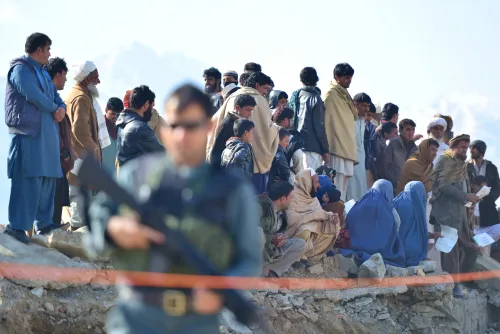
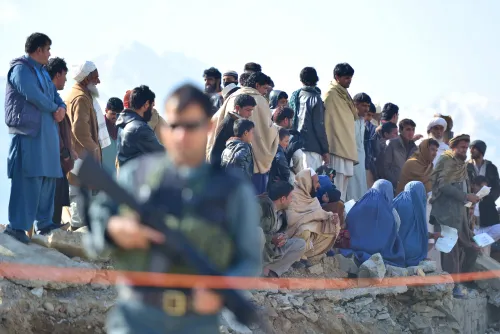
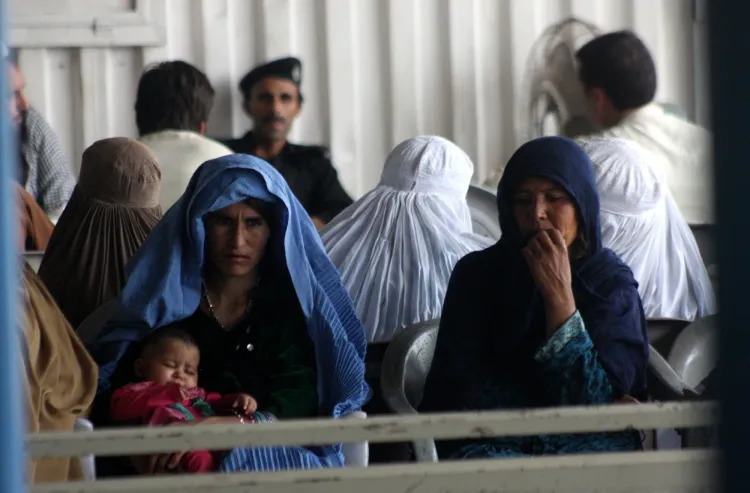
Kabul, Dec 2 (NationPress) More than 3,000 Afghan refugees have been forcibly repatriated from Pakistan and Iran in just one day, a Taliban official reported on Tuesday.
According to Taliban deputy spokesperson Hamdullah Fitrat, the report from the High Commission for Addressing Migrants' Issues was shared on platform X, indicating that 580 Afghan families, totaling 3,164 individuals, returned to Afghanistan on Monday, as reported by Pajhwok Afghan News.
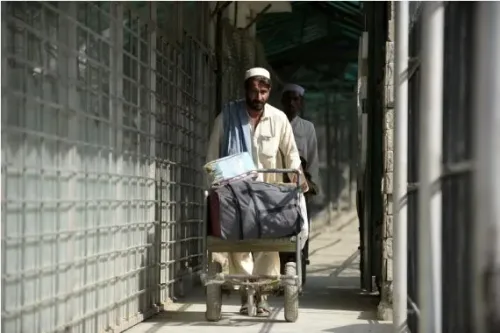
He noted that Afghan refugees made their way back through various crossings including Spin Boldak in Kandahar, Bahramcha in Helmand, Islam Qala in Herat, Pul-i-Abresham in Nimroz, and the Torkham crossing in Nangarhar.
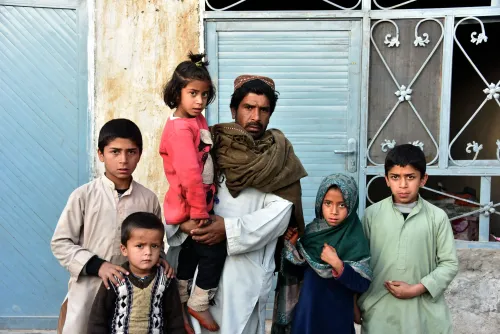
Fitrat mentioned that 962 refugee families, totaling 5,404 individuals, were taken back to their respective localities. He also stated that 557 Afghan families received humanitarian aid, while telecom companies distributed 663 SIM cards to refugee families.
On the previous day, 1,053 families, amounting to 4,834 individuals, returned to Afghanistan.
In November, numerous Afghan refugees in Pakistan expressed that they were subjected to incessant pressure from local police, who were not only conducting searches but also arresting individuals and exploiting their dire circumstances for financial gain.
A report from Afghanistan-based 8AM Media, also known as Hasht-e-Subh Daily, underscored that Afghan refugees in Pakistan lack basic human rights and live in constant fear and anxiety.
Human rights organizations and refugee support groups have remained largely silent regarding the prevailing uncertainties and the government's failure to uphold its commitments to human rights and refugee protection.
In recent months, as tensions remain high between the Taliban and Pakistan, Islamabad has intensified its measures against Afghan refugees, with local authorities frequently harassing migrants daily throughout various regions, including Islamabad.
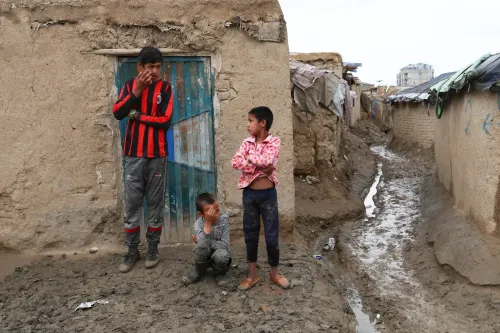
In addition to official actions involving the arrest of Afghan refugees lacking visas, individuals in civilian attire are extorting money from migrants in residential areas. Afghan nationals report living in inhumane conditions filled with fear and anxiety, with their refugee rights continually disregarded.
One Afghan national voiced, "The situation is incredibly distressing. I wish the official operations team would simply arrest and take people away. This method is inappropriate; the police know that no one will report them, so they conduct individual searches. Several men in civilian clothes lurk in the neighborhood, seize someone, and take them away. It's unclear whether they are police, thieves, or in collusion with law enforcement. Now, even if an ordinary person commits theft or kidnapping under the guise of the police, people assume he is a police officer."
Another refugee, Junaid, recounted an incident where he was stopped by a man in plain clothes while out shopping. He stated, "The individual claimed to be a police officer and demanded to see my visa. When I questioned his identity, he became aggressive and threatened my arrest if I continued to speak. Despite my protests, two other men arrived and insisted I get into their vehicle. I had to pay 15,000 rupees for my release. It's now impossible to distinguish who the police really are; they have realized that migrants are vulnerable and are exploiting this for their own gain."
Point of View
It is vital to acknowledge the ongoing crisis faced by Afghan refugees. The reports of forced repatriation raise serious questions about human rights and the safety of these individuals. Our nation must advocate for a humane approach to refugee situations, emphasizing protection and assistance in line with international standards.
NationPress
27 Sept 2026
Frequently Asked Questions
What is the current situation for Afghan refugees in Pakistan?
Afghan refugees in Pakistan are facing increased pressure from local authorities, including harassment and forced repatriation.
How many Afghan refugees were deported recently?
Recently, over 3,000 Afghan refugees were forcibly repatriated from Pakistan and Iran in a single day.
What measures are being taken for returning refugees?
Returning refugees are being assisted with humanitarian aid, including SIM cards and basic necessities.
What challenges do Afghan refugees face?
Many Afghan refugees face harassment, lack of basic rights, and fear for their safety in host countries.
How are human rights organizations responding?
Human rights organizations have largely remained silent on the plight of Afghan refugees, raising concerns about accountability.