Why Were Over 3000 Afghan Refugees Deported from Iran and Pakistan in a Single Day?
Synopsis
In an alarming turn of events, over 3,000 Afghan refugees were forcibly deported from Iran and Pakistan in just one day. This mass repatriation raises serious humanitarian concerns as displaced families struggle to reintegrate into their homeland amidst ongoing challenges.
Key Takeaways
Mass deportations of Afghan refugees raise humanitarian concerns.
Many returnees lack essential services and support.
UNHCR emphasizes the necessity for voluntary returns.
Significant numbers of Afghan refugees were deported recently.
Government policies impact refugee populations.
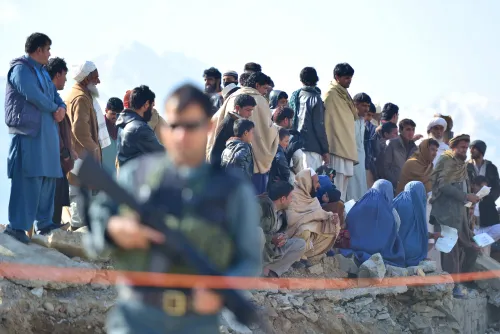
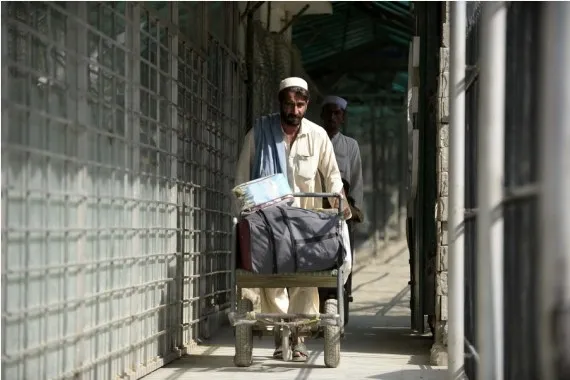
Kabul, Dec 16 (NationPress) On Tuesday, a senior Taliban official disclosed that more than 3,000 Afghan refugees were forcibly returned from Iran and Pakistan within just one day.
In a report shared on X by the High Commission for Addressing Migrants’ Issues, Taliban Deputy Spokesperson Mullah Hamdullah Fitrat noted that 577 families, totaling 3,005 individuals, made their way back to Afghanistan on Monday, according to Pajhwok Afghan News.
He mentioned that Afghan returnees entered Afghanistan via the Islam Qala crossing in Herat, Bahramcha in Helmand, Pul-i-Abresham in Nimroz, Torkham crossing in Nangarhar, and Spin Boldak in Kandahar. Fitrat added that 967 families, amounting to 5,423 individuals, were taken to their designated areas, while 792 families received humanitarian aid.
Additionally, telecom companies provided 479 SIM cards to the refugees who have recently returned to Afghanistan.
Fitrat also indicated that on Sunday, a total of 5,580 Afghan refugees were forcibly deported from Iran and Pakistan.
In November, the United Nations High Commissioner for Refugees (UNHCR) reported that Pakistan had detained a record number of Afghan migrants in 2025, particularly in Balochistan and Punjab provinces.
A recent UNHCR report indicates that most arrests occurred in the Chagai and Quetta districts of Balochistan and Attock district of Punjab, as reported by Afghanistan's prominent news agency Khaama Press.
According to this agency, Pakistani authorities arrested 100,971 Afghans between January 1 and mid-November 2025, marking a significant increase compared to approximately 9,000 arrests in 2024 and over 26,000 in 2023.
UNHCR noted that 76% of those detained were Afghan Citizen Card holders or undocumented migrants, while the remaining 24% held Proof of Registration cards.
The surge in detentions follows two government directives in 2025, mandating the removal of Afghan migrants from Islamabad and Rawalpindi, and granting police the authority to arrest PoR-card holders.
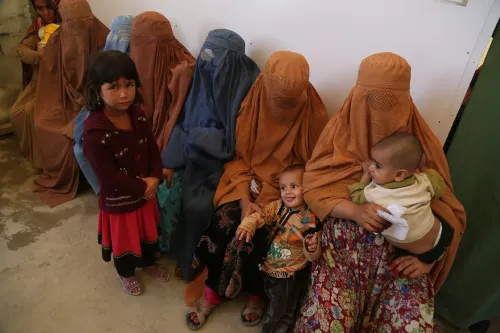
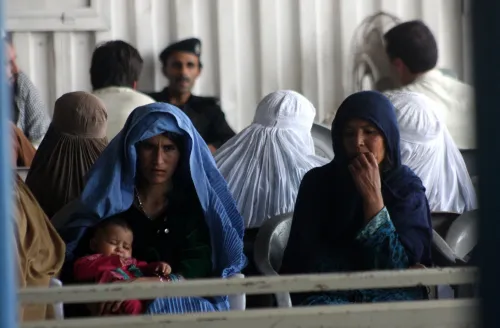
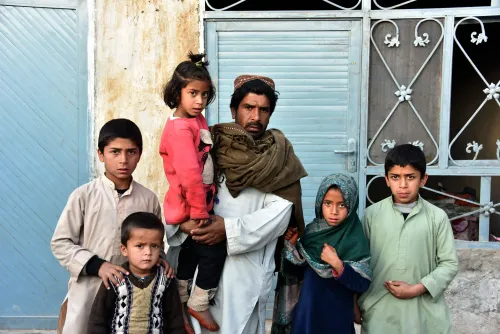
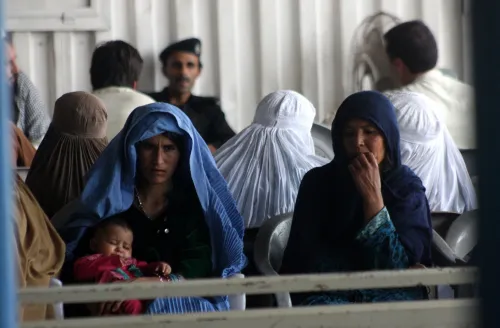
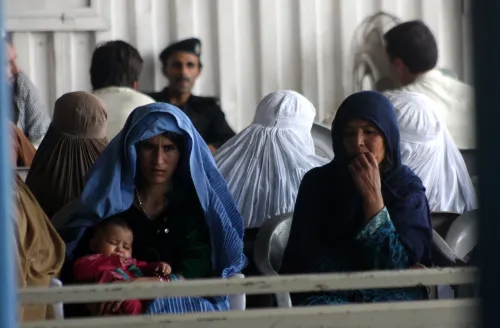
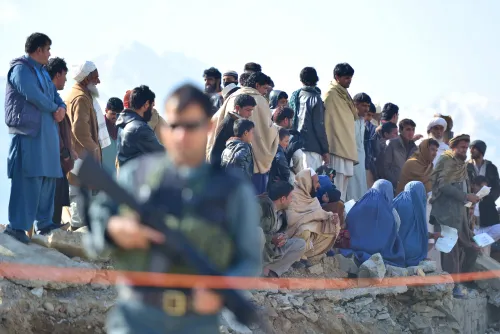
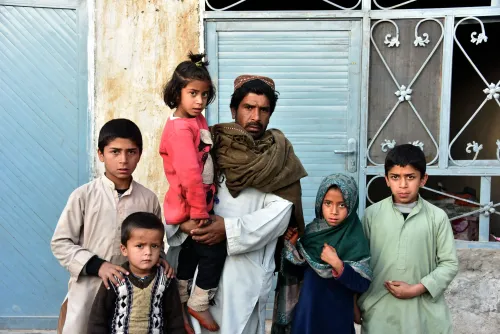
Numerous humanitarian organizations have urged Pakistan to ensure that returns are voluntary and adhere to international standards. They cautioned that mass deportations lead to instability along the Afghanistan border, where newly returned families often face a lack of housing, employment, and essential services.
Point of View
It is crucial to emphasize that the forced deportation of Afghan refugees from neighboring countries raises pressing humanitarian concerns. While nations have the right to manage their borders, it is imperative that any returns adhere to international laws and respect the dignity and rights of individuals fleeing conflict.
NationPress
29 Sept 2026
Frequently Asked Questions
Why are Afghan refugees being deported?
Afghan refugees are being deported primarily due to governmental policies in Iran and Pakistan aimed at managing migration flows and enforcing border regulations.
What support is provided to returned Afghan refugees?
Returned Afghan refugees may receive humanitarian aid, including housing support and basic necessities, but many face challenges reintegrating into their communities.
How many Afghan refugees have been deported recently?
Recent reports indicate that over 3,000 Afghan refugees were forcibly repatriated from Iran and Pakistan in a single day.
What are the implications of mass deportations?
Mass deportations can lead to instability in border regions, as returning families often lack adequate housing, employment opportunities, and access to essential services.
What is the role of UNHCR in this situation?
The UNHCR monitors the situation of refugees and advocates for their rights, urging countries to ensure that returns are voluntary and in line with international obligations.