Why Were Over 2,000 Afghan Refugees Forcibly Deported from Iran and Pakistan?
Synopsis
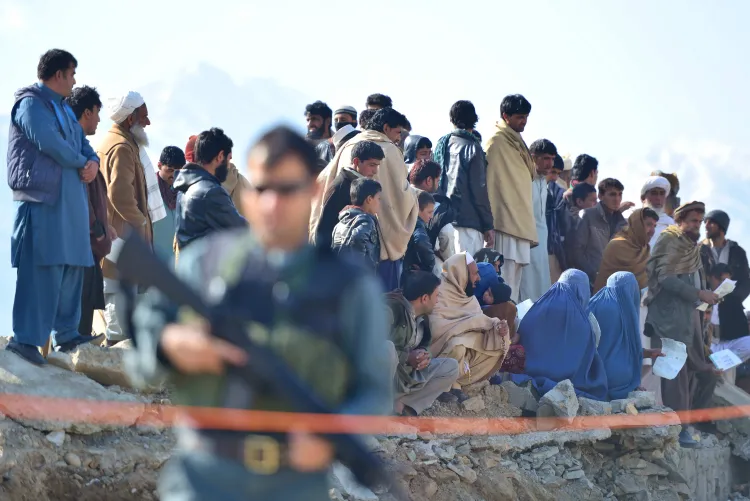
In a shocking turn of events, over 2,000 Afghan refugees were forcibly deported from Iran and Pakistan in just one day. This mass repatriation raises serious concerns about human rights violations and the treatment of vulnerable populations in these regions.
Key Takeaways
Over 2,000 Afghan refugees forcibly returned in one day.
Refugees face severe human rights violations.
Mass repatriation conducted amidst rising tensions.
Humanitarian assistance provided to some families.
Concerns over law enforcement misconduct.
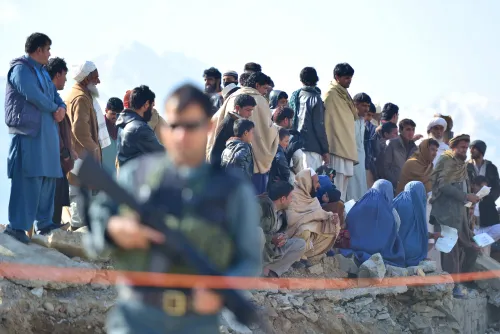
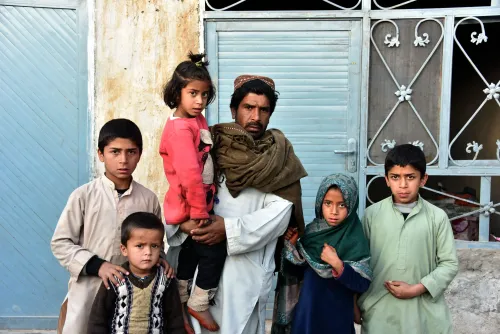
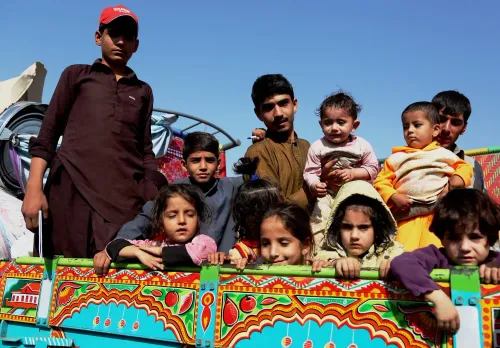
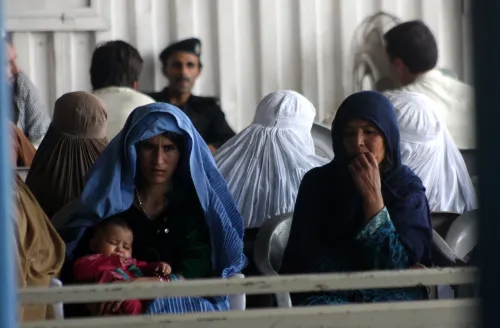
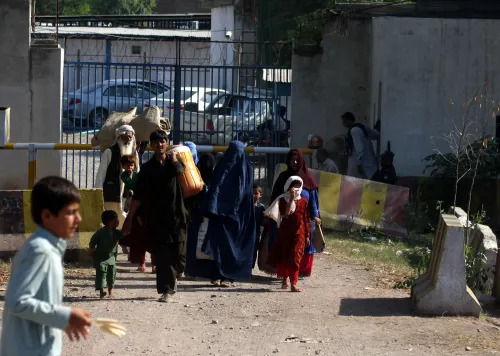
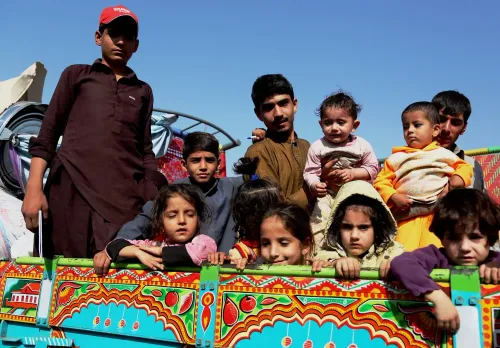
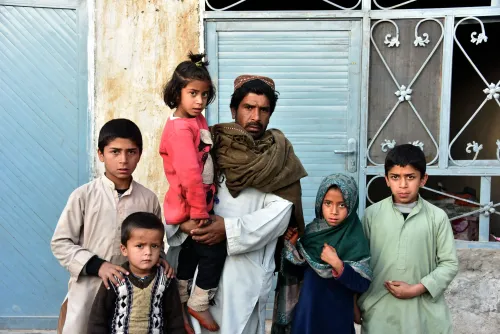
Kabul, Dec 8 (NationPress) More than 2,000 Afghan refugees were forcibly returned from both Iran and Pakistan within a single day, according to a Taliban official on Monday.
In a report shared via the High Commission for Addressing Migrants’ Issues on X, Taliban deputy spokesperson Hamdullah Fitrat revealed that 623 families, totaling 2,349 individuals, made their way back to Afghanistan on Sunday, as reported by Pajhwok Afghan News.
The report detailed that these Afghan refugees re-entered Afghanistan through several crossings: Torkham in Nangarhar, Pul-i-Abresham in Nimroz, Spin Boldak in Kandahar, Bahramcha in Helmand, and Islam Qala in Herat.
Fitrat elaborated that 327 returning families were escorted to their home regions, while 512 families received humanitarian aid. Additionally, 448 SIM cards were distributed to the returning Afghan refugees.
He noted that a total of 3,134 Afghan refugees were repatriated forcibly from Iran and Pakistan the previous day.
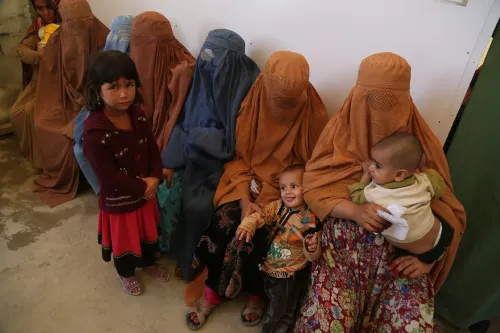
In November, numerous Afghan refugees in Pakistan expressed feelings of being overwhelmed by relentless pressure from local police, who conducted searches, arrested individuals, and exploited their vulnerable situations for financial gain.
A report in the Afghan newspaper '8 AM Media' (also known as 'Hasht-e-Subh Daily') emphasized that Afghan refugees in Pakistan lack basic human rights and endure constant fear and anxiety.
Human rights organizations and refugee support groups have remained largely silent about the ongoing uncertainties and the government's failure to uphold its commitments to human rights and refugee protection.
In recent months, as tensions escalate between the Taliban and Pakistan, Islamabad has intensified its scrutiny of Afghan refugees, with local forces engaging in widespread harassment in various areas, including Islamabad.
In addition to official efforts to detain Afghan refugees lacking visas, individuals in plain clothes have been reported extorting money from migrants in residential neighborhoods. Afghan nationals have voiced concerns about living in inhumane conditions filled with fear and anxiety, with their refugee rights being disregarded.
"The situation is profoundly distressing. I wish the official operations team would simply arrest and take people away. This method is unacceptable; the police know that no one will report them, so they come individually for searches. Various men in plain clothes lie in wait in neighborhoods, seize someone, and take them away. It remains unclear whether they are police officers, thieves, or in collusion with the police," an Afghan national expressed.
Another refugee, Junaid, recounted a recent encounter with a man in plain clothes while he was out shopping. "He claimed to be a police officer and demanded to see my visa. When I questioned him, he became aggressive and warned that I would be arrested if I spoke too much. I tried to resist, but two other men appeared, urging me to get into a vehicle. I ended up paying 15,000 rupees for my release. We can no longer distinguish who the police are, as they seem to have realized that migrants are without support, exploiting the situation for their own benefit," he shared.
Point of View
It is imperative to underscore the ongoing humanitarian crisis faced by Afghan refugees. The forced repatriation from Iran and Pakistan not only reflects the dire conditions these individuals endure but also prompts a call for greater accountability from local authorities and international organizations to protect the rights of vulnerable populations.
NationPress
2 Oct 2026
Frequently Asked Questions
What caused the mass deportation of Afghan refugees?
The mass deportation stems from increased pressure on Afghan refugees in Pakistan and Iran, particularly from law enforcement agencies conducting searches and arrests.
What are the conditions for Afghan refugees in Pakistan?
Afghan refugees in Pakistan face dire conditions, lacking basic human rights and living in constant fear of harassment and exploitation.
How many Afghan refugees were repatriated recently?
Recently, over 2,000 Afghan refugees were forcibly repatriated from Iran and Pakistan in a single day.
What assistance is being provided to returning Afghan refugees?
Returning Afghan refugees have received humanitarian assistance, including food aid and SIM cards for communication.
Are human rights organizations addressing this issue?
Many human rights organizations have remained silent regarding the plight of Afghan refugees, raising concerns about accountability and support.