Why Were Over 3,500 Afghan Refugees Deported from Pakistan and Iran?
Synopsis
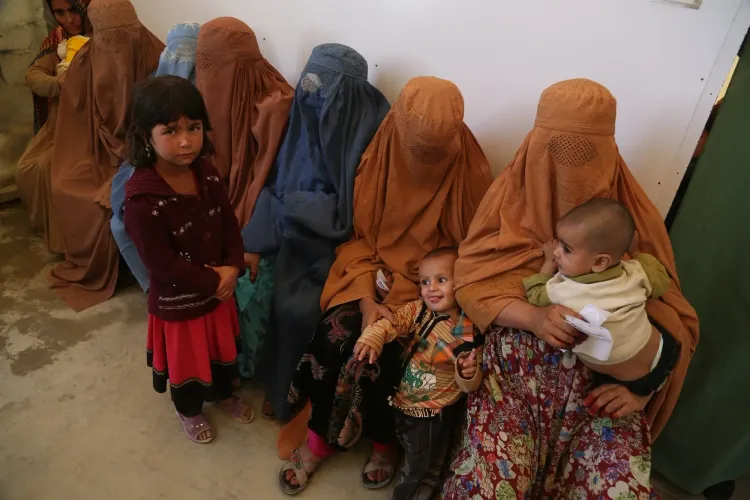
In a startling development, over 3,500 Afghan refugees have been deported from Iran and Pakistan in a single day, raising serious concerns about their treatment. This article explores the implications of these mass repatriations, the conditions faced by refugees, and the broader humanitarian crisis at play.
Key Takeaways
Over 3,500 Afghan refugees were deported in a single day.
Pressure from local police in Pakistan has intensified.
Many refugees live in inhumane conditions .
Human rights organizations have largely remained silent.
Refugees received some assistance upon their return.
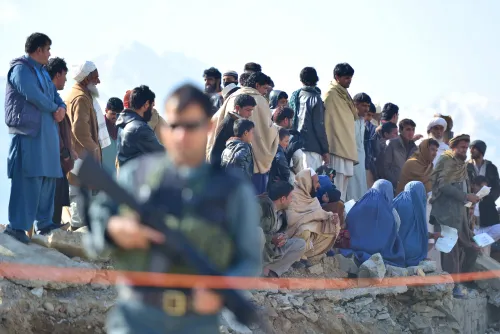
Kabul, Dec 25 (NationPress) In a remarkable turn of events, more than 3,500 Afghan refugees were sent back from Iran and Pakistan in a single day, according to an official from the Taliban on Thursday.
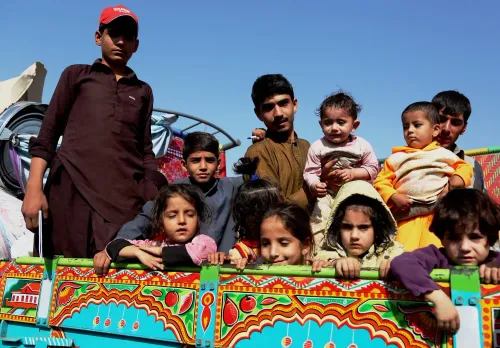
Taliban deputy spokesperson Mullah Hamdullah Fitrat shared insights from the High Commission for Addressing Migrants' Issues on X, indicating that on Wednesday, 745 families, totaling 3,513 individuals, returned to Afghanistan, as reported by Pajhwok Afghan News.
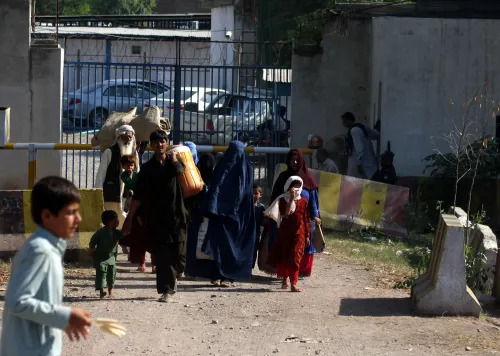
The Afghan returnees crossed over into Afghanistan via various border points, including Islam Qala in Herat, Pul-i-Abresham in Nimroz, Spin Boldak in Kandahar, Bahramcha in Helmand, and Torkham in Nangarhar.
Fitrat noted that 627 families, comprising 3,487 individuals, were relocated to their specific regions, while 660 families received humanitarian aid upon their return. In addition, telecommunication companies granted 714 SIM cards to the returning refugees.
Furthermore, he disclosed that on Tuesday, 3,610 Afghan refugees were deported from both Iran and Pakistan.
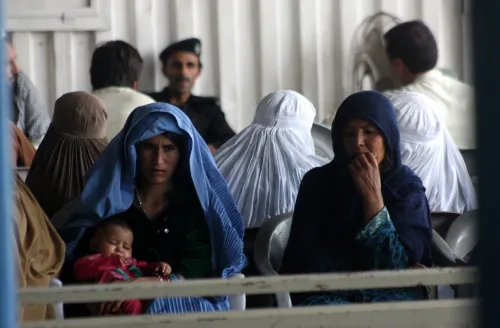
Back in November, numerous Afghan refugees in Pakistan expressed feeling overwhelmed by relentless pressure from local police, who not only conducted searches but also arrested individuals and exploited their vulnerable situations for financial gain.
A report from the Afghan newspaper, '8 AM Media' (also referred to as Hasht-e-Subh Daily), revealed that Afghan refugees in Pakistan lack basic human rights and live in a state of constant fear and anxiety.
Despite the ongoing situation, human rights organizations and refugee assistance groups have largely remained silent on the uncertainty and the government's failure to uphold human rights and safeguard the welfare of refugees.
In recent months, tensions between the Taliban and Pakistan have escalated, resulting in increased pressure from Islamabad on Afghan refugees. Pakistani forces have been engaging in widespread harassment of migrants daily in various locations, including Islamabad.
Additionally, aside from official operations that involve the arrest of Afghan refugees lacking visas, individuals in plain clothes have been extorting money from migrants in residential neighborhoods. Afghan individuals have reported living in inhumane conditions filled with fear, with their rights as refugees not being respected.
Point of View
It is imperative to recognize the plight of Afghan refugees facing immense challenges. The recent mass deportations highlight a growing humanitarian crisis that demands immediate attention and action from both national and international communities. Upholding human rights and providing support to vulnerable populations should always remain a priority.
NationPress
19 Sept 2026
Frequently Asked Questions
What led to the deportation of Afghan refugees from Pakistan and Iran?
The deportation is largely due to increased pressure from local authorities in both countries, who are enforcing stricter immigration policies amidst rising tensions with the Taliban.
How many Afghan refugees were deported?
On a single day, over 3,500 Afghan refugees were repatriated.
What conditions do returning refugees face?
Returning refugees often face inhumane conditions, lack of basic human rights, and constant fear of exploitation.
What assistance do returning refugees receive?
Some refugees receive humanitarian assistance, including food and SIM cards for communication upon their return.
Are there any human rights organizations addressing this issue?
Unfortunately, many human rights groups have remained silent regarding the ongoing crisis and the treatment of Afghan refugees.