Did Pakistan and Iran Deport Over 3,000 Afghan Refugees in One Day?
Synopsis
In a shocking development, over 3,000 Afghan refugees were forcibly returned from Pakistan and Iran in a single day, raising serious concerns about their safety and human rights. This situation highlights the ongoing challenges faced by Afghan migrants amid increasing political tensions.
Key Takeaways
Over 3,000 Afghan refugees were deported from Pakistan and Iran in one day.
The deportations raise significant human rights concerns .
Refugees face harassment and exploitation in host countries.
Some returnees received humanitarian assistance upon their return.
Political tensions continue to impact the lives of Afghan migrants.
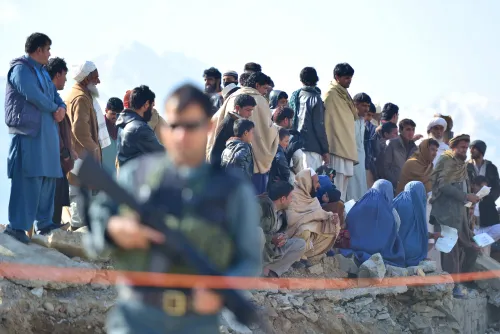
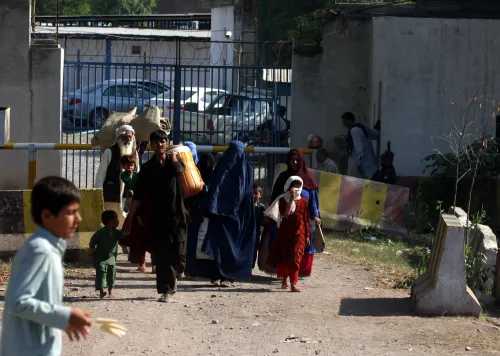
Kabul, Dec 24 (NationPress) In an astonishing turn of events, over 3,000 Afghan refugees were sent back to Afghanistan from both Iran and Pakistan in a single day, according to a Taliban representative on Wednesday.
The Taliban's deputy spokesperson, Mullah Hamdullah Fitrat, shared details on X from the High Commission for Addressing Migrants’ Issues, announcing that 693 families, totaling 3,610 individuals, made their way back to Afghanistan on Tuesday, as reported by Pajhwok Afghan News.
The returnees crossed the border through various checkpoints, including Torkham in Nangarhar, Islam Qala in Herat, Pul-i-Abresham in Nimroz, Spin Boldak in Kandahar, and Bahramcha in Helmand.
According to Fitrat, 752 families, equating to 3,096 people, were escorted to their home regions, while 411 families received humanitarian aid. In addition, telecommunication companies issued 645 SIM cards to the returning Afghan citizens.
Fitrat also revealed that on Monday alone, 2,167 Afghan migrants were deported from Pakistan and Iran.
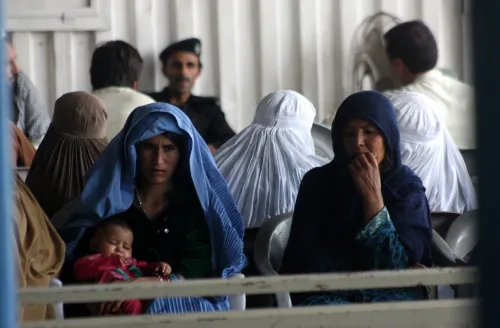
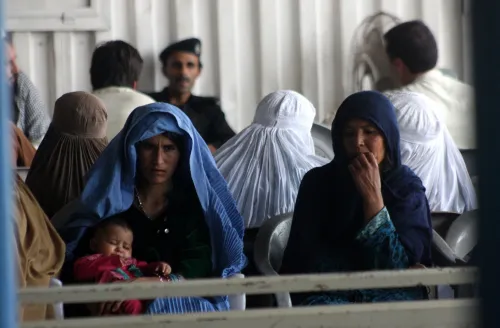
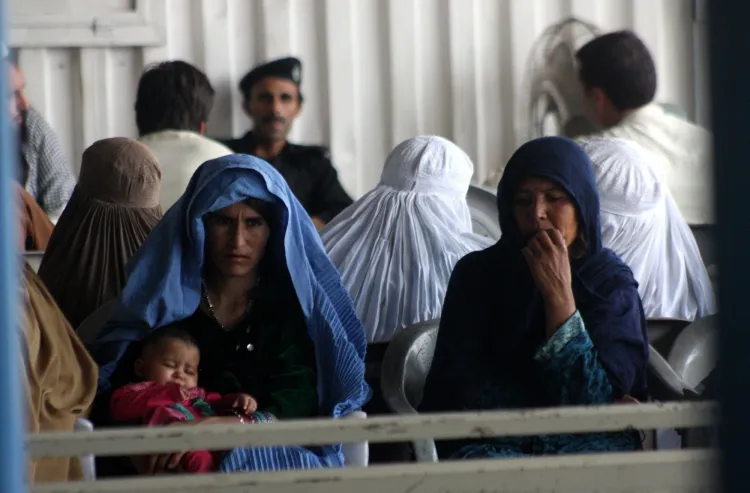
In a previous report, several Afghan refugees residing in Pakistan voiced their distress over relentless pressure from local law enforcement, with police conducting searches, arrests, and taking advantage of their precarious circumstances.
An article from '8 AM Media', also known as Hasht-e-Subh Daily, emphasized that Afghan refugees in Pakistan are deprived of basic human rights and live under constant threat and anxiety.
Human rights and refugee advocacy groups have largely remained silent amid the ongoing turmoil and the government's inability to uphold its commitments to human rights and refugee protections.
As tensions rise between the Taliban and Pakistan, Islamabad has intensified its crackdown on Afghan refugees, with routine harassment reported by Pakistani forces in various regions, including Islamabad.
In addition to official actions that result in the detention of Afghan refugees without visas, individuals in civilian attire have been extorting money from migrants in residential areas. Afghan refugees have reported living in inhumane conditions, filled with fear and anxiety, with their rights as refugees going unrecognized.
"The situation is extremely distressing. I wish the official operations team would simply arrest and take people away. This method is not right; the police know no one will report them, so they come individually for searches. Several men in plain clothes lie in wait in the neighborhood, grab someone, and take them away. It is unclear whether they are police, thieves, or cooperating with the police. Now, even if an ordinary person commits theft or kidnapping under the name of the police, people assume he is a police officer," an Afghan national was quoted as saying.
Another refugee stated, "These individuals detain migrants in personal vehicles; some are released on the spot after paying money, while others are taken to police stations. They are probably police themselves or working with the police. The level of theft and robbery is extremely high, and no institution listens to the people's voices. The situation is deeply painful; a country that has no defender and whose citizens have no protection or credibility anywhere in the world."
Point of View
We must recognize the dire situation faced by Afghan refugees. The reported deportations raise critical questions about human rights and the responsibilities of neighboring countries. We stand with the Afghan people and advocate for their protection and dignity.
NationPress
2 Sept 2026
Frequently Asked Questions
Why were Afghan refugees deported?
Afghan refugees were deported due to increasing pressure from local authorities in Pakistan and Iran amidst rising tensions.
What support is available for returning refugees?
Some returning refugees received humanitarian assistance and SIM cards to help them reintegrate.
How have Afghan refugees been treated in Pakistan?
Many Afghan refugees in Pakistan report facing harassment, arrests, and exploitation by police.
What are the living conditions for Afghan refugees?
Afghan refugees often endure inhumane living conditions filled with fear and uncertainty.
What can be done to support Afghan refugees?
Advocacy for human rights and international support for refugees are crucial to improve their situation.