Why Were Nearly 4,000 Afghan Refugees Deported from Iran and Pakistan in a Single Day?
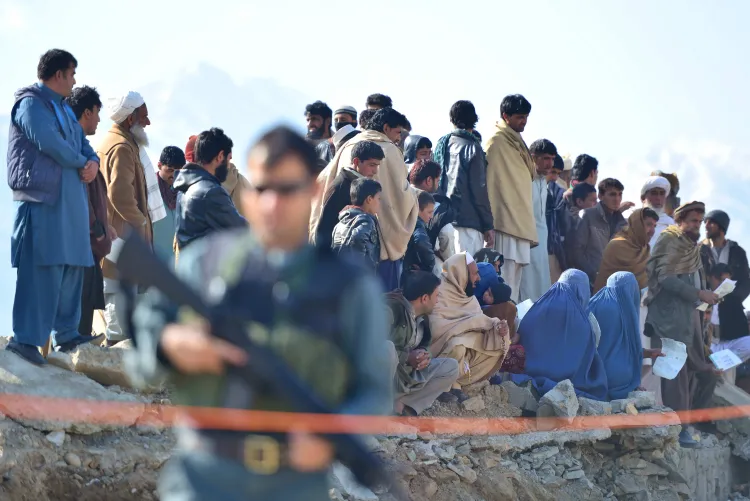
Synopsis
In a shocking turn of events, nearly 4,000 Afghan refugees were repatriated from Iran and Pakistan in one day. This mass deportation raises crucial questions about the plight of Afghan refugees living in constant fear and the role of authorities in their treatment. Discover the dire circumstances surrounding this issue and its implications.
Key Takeaways
Nearly 4,000 Afghan refugees were repatriated in one day.
Refugees faced harassment and exploitation in host countries.
Human rights groups are criticized for their silence.
Telecommunication companies provided essential support to returnees.
The situation for Afghan refugees remains critical .
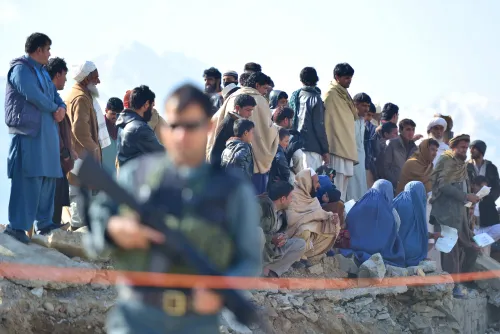
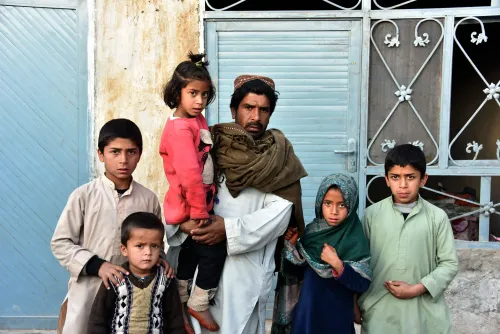
Kabul, Dec 22 (NationPress) Almost 4,000 Afghan refugees were repatriated from Iran and Pakistan in a single day, as reported by a Taliban official on Monday.
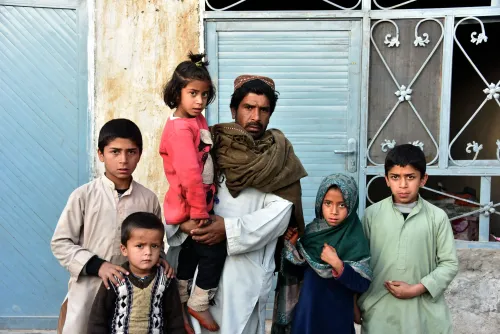
According to the report shared by the High Commission for Migrants Issues on X, Taliban Deputy Spokesperson Hamdullah Fitrat mentioned that 713 families, totaling 3,926 individuals, returned to Afghanistan from Iran and Pakistan on Sunday, as per Pajhwok Afghan News.
These Afghan refugees entered Afghanistan through Pul-i-Abresham in Nimroz, Bahramcha in Helmand, Islam Qala crossing in Herat, Torkham crossing in Nangarhar, and Spin Boldak in Kandahar.
Fitrat further noted that 1,788 Afghan families, consisting of 7,669 individuals, were transported to their respective regions, while 1,055 families received humanitarian aid. Additionally, telecommunication companies supplied 634 SIM cards to the returning Afghan refugees.
On the same day, Fitrat disclosed that 5,412 Afghan migrants were deported from Iran and Pakistan.
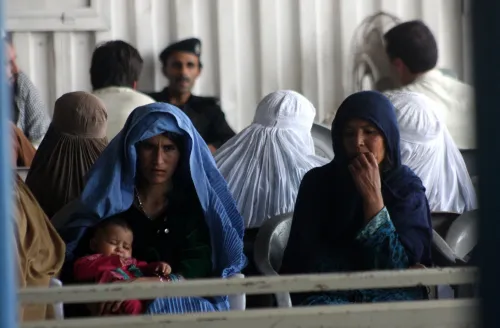
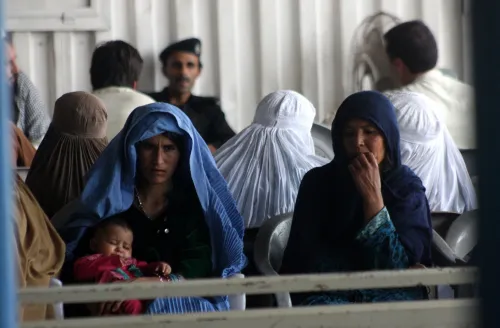
In November, numerous Afghan refugees in Pakistan expressed feelings of being overwhelmed by persistent pressure from local police, who were conducting searches, making arrests, and exploiting their vulnerable situations for financial gain.
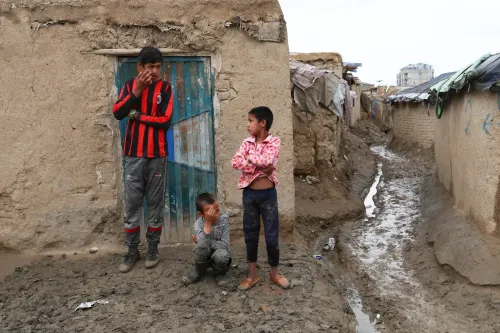
A report by the Afghan newspaper '8AM Media', also known as Hasht-e-Subh Daily, emphasized that Afghan refugees in Pakistan lack basic human rights and live under constant fear and anxiety.
Human rights organizations and refugee-support groups have remained quiet regarding the ongoing uncertainties and the government's failure to uphold its commitments to human rights and refugee protection.
In recent months, as tensions between the Taliban and Pakistan escalate, Islamabad has tightened its grip on Afghan refugees, with Pakistani forces routinely harassing migrants in various locales, including Islamabad.
Beyond official actions involving the arrest of Afghan refugees lacking visas, individuals in plain clothes extort money from migrants in residential neighborhoods. Afghan individuals have reported living in inhumane conditions filled with fear and anxiety, with their refugee rights consistently ignored.
One Afghan national remarked, “The situation is extremely distressing... They come individually for searches. Several men in plain clothes lie in wait in the neighborhood, grab someone, and take them away. It’s unclear whether they are police, thieves, or collaborating with the police.”
Another refugee added, “These individuals detain migrants in their personal vehicles... The level of theft and robbery is extremely high, and no institution hears the people's voices. The situation is deeply painful; a country that has no defender and whose citizens have no protection or credibility anywhere in the world.”
Point of View
It is imperative to recognize the complexities surrounding the repatriation of Afghan refugees. The situation underscores the urgent need for humanitarian intervention and a reassessment of policies that affect vulnerable populations. Our commitment remains to advocate for the rights and dignity of all individuals, especially those fleeing conflict and persecution.
NationPress
16 Sept 2026
Frequently Asked Questions
What led to the repatriation of Afghan refugees?
The repatriation was influenced by increasing pressures from local authorities in Pakistan and Iran, prompting many Afghan individuals to return home.
How many refugees were affected by this repatriation?
Approximately 3,926 Afghan refugees were repatriated from Iran and Pakistan in a single day.
What challenges do Afghan refugees face in Pakistan?
Afghan refugees in Pakistan face harassment, lack of basic rights, and constant fear of arrest and deportation.
What humanitarian assistance is provided to returnees?
Returnees received transportation to their areas and humanitarian assistance, including SIM cards for communication.
What is the current situation for Afghan refugees?
The situation remains dire, with many refugees living in fear and uncertainty amid ongoing tensions in the region.