Nearly 140,000 Afghan refugees deported from Pakistan's Punjab province
Synopsis
Pakistan's Punjab province has deported nearly 140,000 undocumented Afghan nationals — part of a federal drive that has now expelled 2.66 million Afghans over three years. With a Ministry of Interior arrest order in effect since July 10 and detention centres still holding hundreds more, the pace of deportations shows no sign of slowing.
Key Takeaways
Punjab's Home Department confirmed 139,902 Afghan nationals were deported to Afghanistan after legal formalities.
A further 248 Afghan migrants are held in 39 detention centres , awaiting deportation via the Torkham border crossing .
Pakistan says it has deported approximately 2.66 million undocumented Afghans over the past three years.
In July , 40 undocumented Afghans were detained in Charsadda, Khyber Pakhtunkhwa ; the total shifted to Peshawar's holding centre reached 133 .
Pakistan's Ministry of Interior ordered arrests of undocumented Afghans from 10 July onwards, following a directive issued on 28 June .
The deportation drive, first launched in 2023 , was renewed in April last year after hundreds of thousands of residence permits were rescinded.
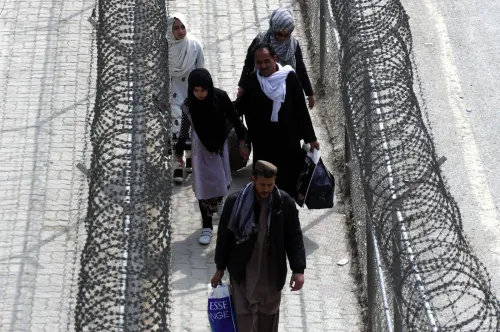
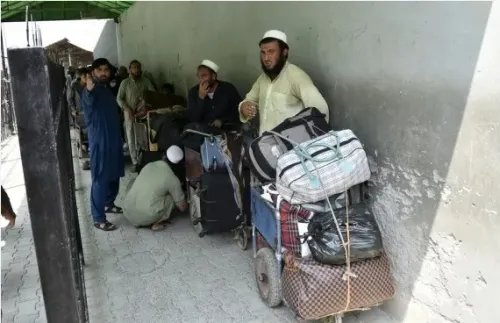
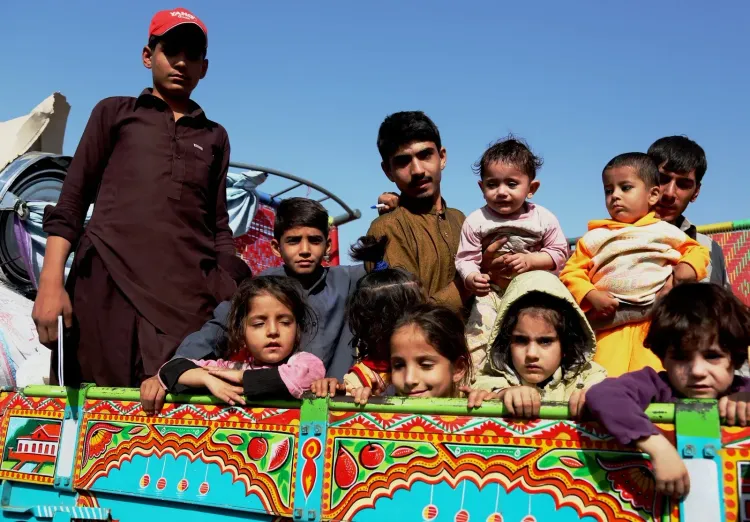
Nearly 140,000 undocumented Afghan migrants have been deported to Afghanistan from Pakistan's Punjab province as part of an intensifying crackdown on foreign nationals without legal residency documents, according to provincial authorities. The figure underscores the scale of Pakistan's ongoing expulsion drive, which has now spanned over two years.
Key Figures from Punjab's Home Department
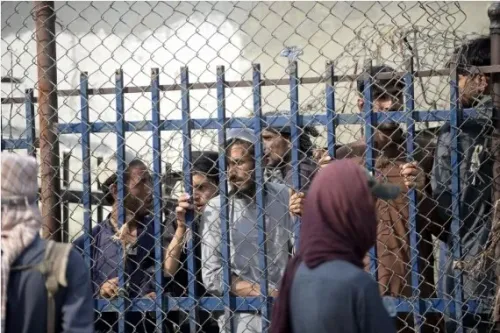
Punjab's Home Department confirmed that 139,902 Afghan nationals were arrested and subsequently deported to Afghanistan after completing legal formalities. An additional 248 Afghan migrants remain held across 39 detention centres and are expected to be deported via the Torkham border crossing once administrative procedures are finalised, according to reports citing Khaama Press, an Afghanistan-based news outlet.
Pakistan has stated that it has deported approximately 2.66 million undocumented Afghan migrants to Afghanistan over the past three years — a figure that places the current Punjab deportations within a much larger, sustained federal effort.
Crackdown Spreads to Khyber Pakhtunkhwa
In July, police in Charsadda city of Khyber Pakhtunkhwa detained 40 undocumented Afghan nationals during the ongoing drive against illegal foreign citizens. Charsadda Deputy Commissioner Azmatullah Wazir confirmed that the detainees were transferred from the city police station to a holding centre in Peshawar, pending deportation through the Torkham crossing.
District Police Officer (DPO) Rifatullah Khan said the cumulative number of undocumented Afghan nationals shifted from Charsadda to the Peshawar holding centre had reached 133. Officials stated the action was taken in line with the federal government's policy on foreign nationals residing in Pakistan without valid documentation.
Policy Timeline and Legal Basis
On 28 June, Pakistan's Ministry of Interior ordered the immediate arrest of any Afghan national found in the country without a valid visa from 10 July onwards. The deportation initiative was originally launched in 2023 and was renewed in April last year, when the government rescinded hundreds of thousands of residence permits issued to Afghans and warned of arrests for those who did not leave voluntarily.
Reports indicate that Afghan migrants in Pakistan have faced growing difficulties renewing visas and maintaining legal status in recent weeks, further accelerating departures — both forced and voluntary.
Broader Context and Humanitarian Concerns
This comes amid longstanding international concern over the conditions awaiting deported Afghans upon return, particularly given the humanitarian situation inside Afghanistan. Critics and rights groups have repeatedly flagged that mass deportations of this scale risk pushing vulnerable populations — including women, children, and former government employees — into precarious circumstances. The UN Refugee Agency (UNHCR) has previously urged Pakistan to ensure deportations comply with international protection standards, though no fresh statement on the Punjab figures was immediately available.
With the federal deadline now in effect and provincial administrations coordinating with law enforcement, the pace of deportations is expected to remain elevated in the weeks ahead.
Point of View
Now nearly 140,000 from Punjab alone — signal a policy that has moved well beyond periodic enforcement into systematic demographic reversal. What mainstream coverage often underweights is the compounding effect: each wave of deportations returns people to an Afghanistan with shrinking economic capacity and no functional asylum infrastructure, raising the probability of secondary displacement. Pakistan's domestic political calculus, including pressure on resources and security concerns, is real — but the absence of a bilateral or multilateral framework to manage returns humanely is a gap that neither Islamabad nor Kabul has moved to close. The international community's muted response to the scale of these expulsions deserves more scrutiny than it has received.
NationPress
16 Sept 2026
Frequently Asked Questions
How many Afghan migrants have been deported from Pakistan's Punjab province?
Punjab's Home Department confirmed that 139,902 Afghan nationals were arrested and deported to Afghanistan after completing legal formalities. An additional 248 remain in detention centres awaiting deportation through the Torkham border crossing.
How many Afghans has Pakistan deported in total over recent years?
Pakistan has stated it deported approximately 2.66 million undocumented Afghan migrants to Afghanistan over the past three years, of which the Punjab figure is the latest reported tranche.
What is the legal basis for Pakistan's Afghan deportation drive?
Pakistan's Ministry of Interior issued an order on 28 June mandating the immediate arrest of any Afghan national without a valid visa from 10 July onwards. The broader campaign was launched in 2023 and renewed in April last year when hundreds of thousands of Afghan residence permits were rescinded.
Which border crossing is used for the deportations?
Deportations are being carried out primarily through the Torkham border crossing , which connects Pakistan's Khyber Pakhtunkhwa province with Afghanistan's Nangarhar province.
Is the crackdown limited to Punjab?
No. The crackdown spans multiple provinces. In July, authorities in Charsadda, Khyber Pakhtunkhwa detained 40 undocumented Afghans, with a total of 133 transferred to a holding centre in Peshawar. Officials confirmed the drive will continue across districts in coordination with police and law enforcement agencies.