Pakistan repatriates 525 Afghan families from Khyber Pakhtunkhwa camps
Synopsis
Pakistan has fully cleared three refugee camps in Bannu district, repatriating 525 Afghan families through the Torkham crossing — and authorities are now targeting Afghans in private residences. With a nationwide arrest order for undocumented Afghans in effect from July 10, the deportation drive is entering its most aggressive phase since it began in 2023.
Key Takeaways
525 Afghan families have been repatriated from Bannu district , Khyber Pakhtunkhwa , through the Torkham border crossing .
Three camps — Bizan Khel , Ghoriwala , and Mamand Khel — have been completely vacated.
Authorities are now targeting Afghan nationals living in private residences in Bannu and surrounding areas.
Pakistan's Ministry of Interior ordered the arrest of any Afghan without a valid visa effective 10 July 2026 .
The deportation drive was first launched in 2023 and significantly escalated in April 2025 with mass permit cancellations.
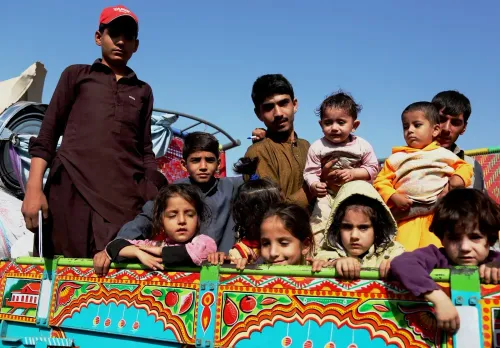
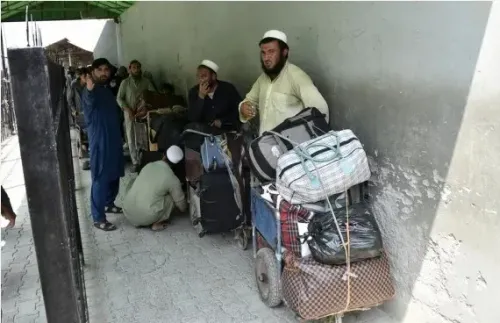
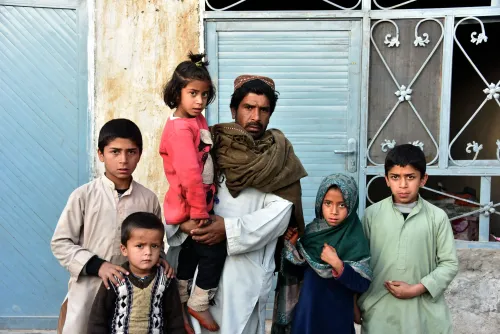
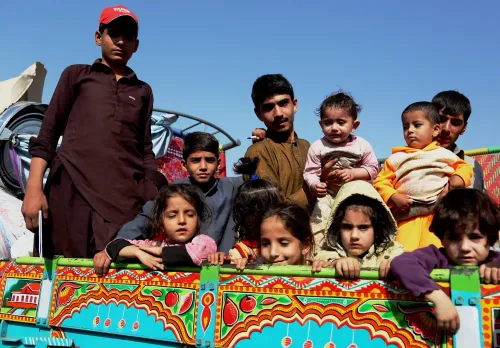
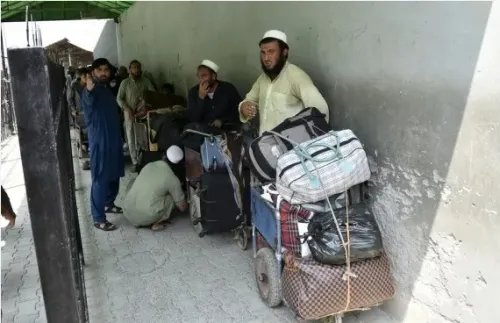
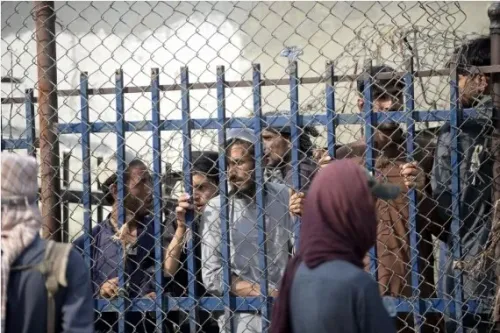
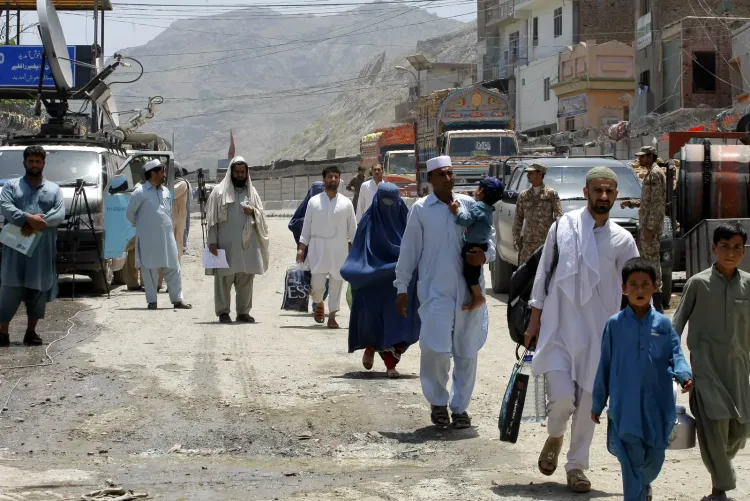
Pakistan has repatriated 525 Afghan families from three refugee camps in Bannu district, Khyber Pakhtunkhwa, completing the full evacuation of those sites as part of an accelerating deportation drive, local media reported on Tuesday, 14 July 2026. The families were moved to Afghanistan through the Torkham border crossing, according to district officials.
Key Developments
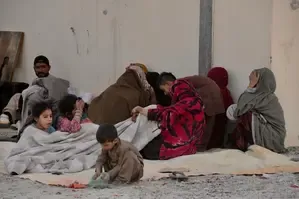
Additional Deputy Commissioner (ADC) Umar Khittab Khan confirmed that the repatriation was carried out under directives from the Khyber Pakhtunkhwa government. The three camps — Bizan Khel, Ghoriwala, and Mamand Khel — have now been completely vacated. Afghan families who wished to return voluntarily were accommodated at temporary transit centres established by the district administration before being transported to the Torkham crossing.
Focus Shifts to Afghans in Private Residences
With the camps cleared, authorities have now turned their attention to Afghan nationals living in rented houses and private residences across Bannu and surrounding areas. According to the ADC, records of such individuals are being shared with their respective police stations, and efforts are under way to expedite their repatriation as well.
The Legal Backdrop: Pakistan's July 10 Arrest Order
The camp clearances follow a sweeping order issued by Pakistan's Ministry of Interior on 28 June 2026, mandating the immediate arrest of any Afghan national found in the country without a valid visa from 10 July 2026. The directive was addressed to Chief Secretaries of all provinces and the Islamabad Capital Territory (ICT), and stems from decisions taken at a review meeting on the Illegal Foreigners' Repatriation Plan (IFRP) held on 1 June 2026.
The ministry's notification stated that all provincial governments, special area governments, and the ICT Administration had been directed to 'expedite the repatriation/deportation of Afghan nationals, including visa overstay cases, and to ensure strict implementation of the IFRP.' District administrations, police, and other law enforcement agencies have been instructed to enforce these orders.
A Deportation Drive Years in the Making
Pakistan's push to repatriate Afghan refugees is not new. A large-scale deportation drive was first launched in 2023, and was renewed in April 2025 when the government rescinded hundreds of thousands of residence permits for Afghans, warning of arrests for those who did not leave. The current phase represents a significant escalation — moving from permit cancellations to active camp clearances and an arrest mandate — and comes against the backdrop of strained Pakistan-Afghanistan relations and persistent domestic security concerns. Notably, this is one of the largest single-district repatriation operations reported since the drive began.
What Comes Next
With Bannu's camps now empty, the operational focus is expected to shift to urban centres where undocumented Afghans are concentrated. Humanitarian organisations have previously raised concerns about the pace and conditions of repatriation, particularly for families with no immediate support network inside Afghanistan. How the Afghan government and international agencies respond to the accelerated influx at the Torkham crossing will be closely watched in the coming weeks.
Point of View
And the international community's silence on the pace and conditions of these returns deserves scrutiny. Domestically, the drive serves multiple political purposes for Islamabad, but the security rationale has yet to be matched by transparent data on how many of those deported posed any verifiable threat.
NationPress
13 Oct 2026
Frequently Asked Questions
How many Afghan families has Pakistan repatriated from Khyber Pakhtunkhwa?
Pakistan has repatriated 525 Afghan families from three refugee camps — Bizan Khel, Ghoriwala, and Mamand Khel — in Bannu district, Khyber Pakhtunkhwa. All three camps have been completely vacated, with families transported to Afghanistan through the Torkham border crossing.
What is Pakistan's Illegal Foreigners' Repatriation Plan (IFRP)?
The IFRP is Pakistan's policy framework for the deportation of undocumented foreign nationals, primarily targeting Afghan refugees. It was reviewed at a government meeting on 1 June 2026, following which the Ministry of Interior issued an order mandating the immediate arrest of any Afghan national without a valid visa from 10 July 2026.
When did Pakistan begin deporting Afghan refugees?
Pakistan launched a large-scale Afghan deportation drive in 2023. It was renewed in April 2025, when the government cancelled hundreds of thousands of residence permits for Afghans and warned of arrests for those who did not leave. The current phase is the most operationally intensive yet.
Who is affected by Pakistan's July 10 arrest order?
Any Afghan national residing in Pakistan without a valid visa is subject to immediate arrest under the order effective 10 July 2026. The directive covers all provinces, special areas, and the Islamabad Capital Territory, and applies to visa overstay cases as well as undocumented individuals.
What happens to Afghan families who want to return voluntarily?
Afghan families choosing to return voluntarily can stay at temporary transit centres set up by the district administration. Authorities arrange transportation from these centres to the Torkham border crossing for onward repatriation to Afghanistan.