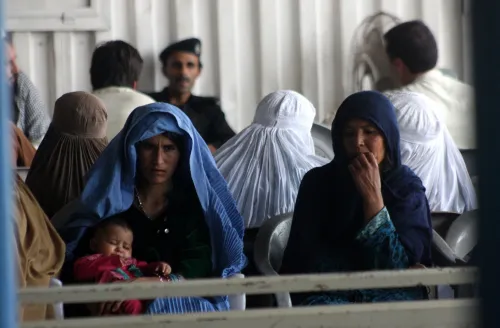
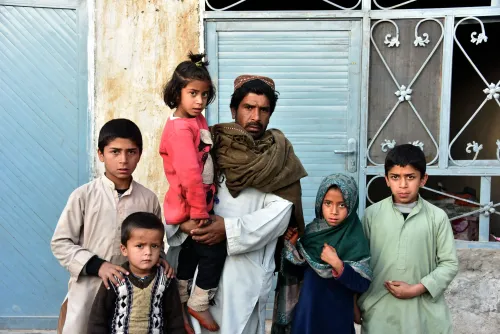
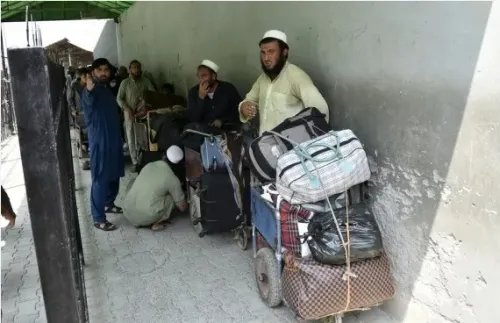
52,561 Afghan families return from Pakistan in three months amid deportation crisis
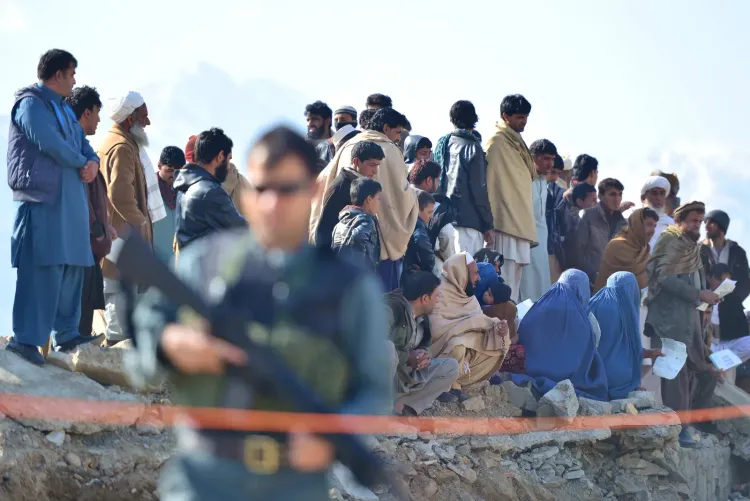
Synopsis
More than 52,000 Afghan families have crossed back into Afghanistan from Pakistan in just three months — but the headline figure masks a far grimmer picture. With 270,000 Afghans deported globally since January, the UN invoking non-refoulement, and Amnesty warning of arbitrary arrests and family separations in host countries, this is no ordinary return movement. It is a forced displacement crisis unfolding in plain sight.
Key Takeaways
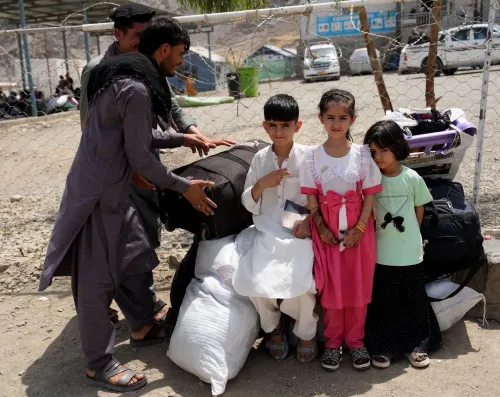
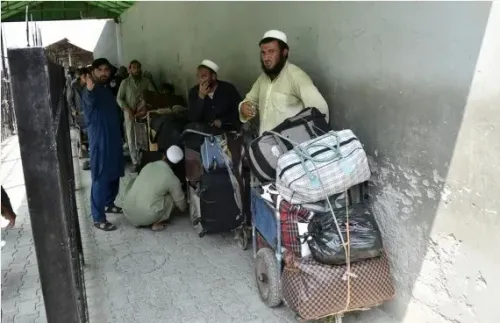
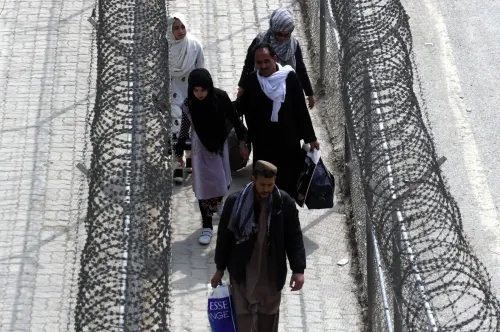
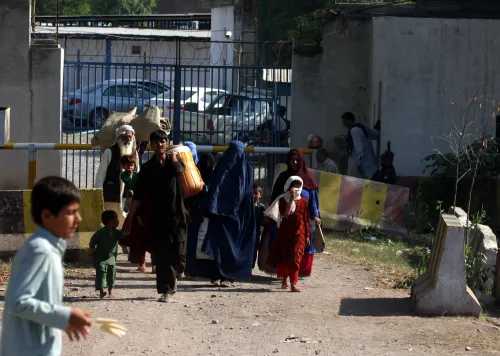
52,561 Afghan families returned to Afghanistan from Pakistan over the past three months , according to Bakhtar News Agency .
Returnees entered through Spin Boldak (Kandahar) and Torkham (Nangarhar) border crossings.
Nearly 270,000 Afghans have been deported to Afghanistan since the start of the year, primarily from Iran and Pakistan , per UNHCR .
Amnesty International on 20 June called for an immediate halt to what it termed unlawful expulsions of Afghan refugees.
UN Human Rights Chief Volker Turk warned in May that forced returns violate the international principle of non-refoulement .
Women, girls, former government affiliates, media workers, and LGBTIQ+ individuals face the gravest risks upon return, according to the UN.
A total of 52,561 Afghan families have returned to Afghanistan from Pakistan over the past three months, according to the official Bakhtar News Agency, as international human rights bodies escalate warnings over the forced repatriation of Afghan refugees across the region.
Key Entry Points and Arrival Numbers
The returnees have entered Afghanistan primarily through two major crossings: the Spin Boldak border in southern Kandahar province and the Torkham crossing in eastern Nangarhar province. Afghan authorities and humanitarian organisations have been deploying assistance at both points, including transportation, cash support, healthcare services, and other essential aid to facilitate reintegration.
The volume of returnees has risen sharply in recent months, placing sustained pressure on resettlement infrastructure across the country.
Scale of the Broader Deportation Crisis
The three-month figure is part of a far larger displacement wave. According to the United Nations High Commissioner for Refugees (UNHCR), nearly 270,000 Afghans have been deported to Afghanistan since the start of the year — the majority from Iran and Pakistan, with smaller numbers from Turkey and Tajikistan. This follows the deportation of over 1.2 million Afghan refugees from Iran and 150,000 from Pakistan in the previous year alone.
The UNHCR and the International Organisation for Migration (IOM) have repeatedly called for returns to be safe and dignified, and have urged greater international support for returnees arriving in what the UN describes as one of the world's most severe humanitarian crises.
Human Rights Warnings from Amnesty and the UN
On 20 June, Amnesty International urged the international community to halt what it described as unlawful expulsions of Afghan refugees. In a post on X, the organisation said: "Millions of Afghan refugees are being expelled across the globe, and that number keeps climbing day by day. In host countries, they are facing arbitrary arrests and family separations; upon return, they are facing human rights violations amidst one of the most severe humanitarian crisis in the world."
Amnesty added: "The unlawful expulsions of Afghan people must stop, and people with international protection needs must be safeguarded as per international human rights law."
Earlier in May, UN High Commissioner for Human Rights Volker Turk warned against continued forced repatriation, calling it a violation of international human rights and refugee law. "Afghan women, children and men continue to be pushed out of countries where they had sought safety, forcing them to return to Afghanistan against their will and exposing them to grave risk," he said.
Turk invoked the core international law principle of non-refoulement — which prohibits returning individuals to places where they face serious risk of harm — and urged states to honour their legal obligations.
Who Faces the Greatest Risk
The UN human rights agency identified several groups as particularly vulnerable upon return: women and girls, individuals affiliated with the former Afghan government and its security forces, media workers, civil society members, and those from the LGBTIQ+ community, all of whom face the risk of reprisals and abuse under current conditions in Afghanistan.
What Comes Next
With deportation numbers continuing to climb and resettlement capacity under strain, the pressure on both Afghan authorities and international agencies is intensifying. The gap between the scale of returns and available humanitarian support remains a critical concern, with no coordinated international framework yet in place to manage the crisis at scale.
Point of View
561-family figure from Bakhtar News Agency is being reported as a resettlement story, but the UN and Amnesty data reframe it as a coerced displacement crisis. The distinction matters: voluntary return and forced deportation require entirely different international responses, and conflating them allows host governments to claim compliance with humanitarian norms while conducting mass expulsions. With Iran alone having deported over 1.2 million Afghans last year and Pakistan adding 150,000, the scale dwarfs what Afghan reintegration infrastructure can absorb. The absence of a binding international coordination mechanism — despite repeated UNHCR and IOM calls — is the real accountability gap this story exposes.
NationPress
21 Sept 2026
Frequently Asked Questions
How many Afghan families have returned from Pakistan in the last three months?
A total of 52,561 Afghan families have returned to Afghanistan from Pakistan over the past three months, according to the official Bakhtar News Agency. They entered through the Spin Boldak crossing in Kandahar and the Torkham crossing in Nangarhar.
How many Afghans have been deported globally in 2025?
According to UNHCR, nearly 270,000 Afghans have been deported to Afghanistan since the beginning of the year, primarily from Iran and Pakistan, with smaller numbers from Turkey and Tajikistan. This follows over 1.2 million deportations from Iran and 150,000 from Pakistan in the previous year.
What did Amnesty International say about Afghan refugee expulsions?
On 20 June, Amnesty International urged the international community to stop what it called unlawful expulsions of Afghan refugees. In a post on X, it said refugees face arbitrary arrests and family separations in host countries and human rights violations upon return to Afghanistan.
What is non-refoulement and why is it relevant here?
Non-refoulement is a core principle of international law that prohibits states from returning individuals to places where they face a serious risk of harm. UN Human Rights Chief Volker Turk invoked this principle in May, warning that forced repatriation of Afghans to Afghanistan violates both human rights and refugee law.
Who is most at risk among Afghans returned to Afghanistan?
The UN human rights agency has identified women and girls, individuals affiliated with the former Afghan government and security forces, media workers, civil society members, and LGBTIQ+ individuals as facing the gravest risk of reprisals and abuse upon return to Afghanistan.