Over 1,847 Afghans deported in single day across Pakistan border crossings
Synopsis
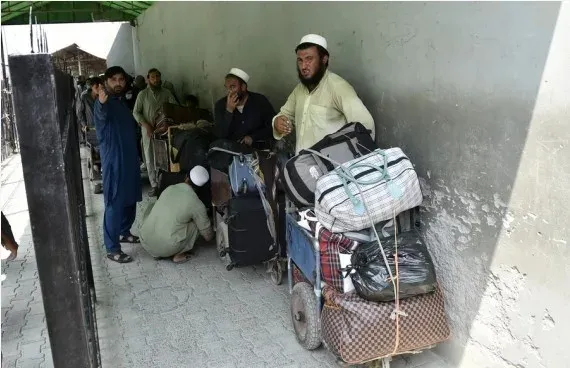
In a single day, Pakistan pushed back 1,847 Afghans across four border crossings — the latest pulse of a mass repatriation drive that has moved nearly 175,000 people in just the first quarter of 2026. With 98 per cent of returnees citing fear of arrest as their reason for leaving, the line between 'voluntary' and forced return is increasingly difficult to draw.
Key Takeaways
868 families comprising 1,847 people were deported to Afghanistan on 27 May 2026 via multiple border crossings.
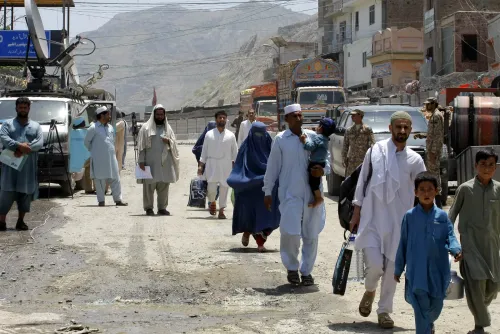
The largest share — 772 families (1,479 people) — crossed through the Torkham border; others entered via Spin Boldak , Nimroz , and Islam Qala (Herat) .
The IOM recorded 174,972 Afghan returnees in Q1 2026 , a 53 per cent drop from the previous quarter, though overall levels remained high.
98 per cent of returnees cited fear of arrest under Pakistan's 'Illegal Foreigners Repatriation Plan' as the primary reason for leaving.
Pakistan has faced criticism from human rights organisations and the United Nations over the deportation campaign, which has been ongoing since 2023 .
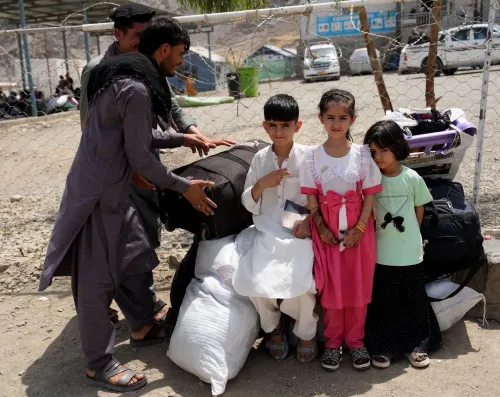
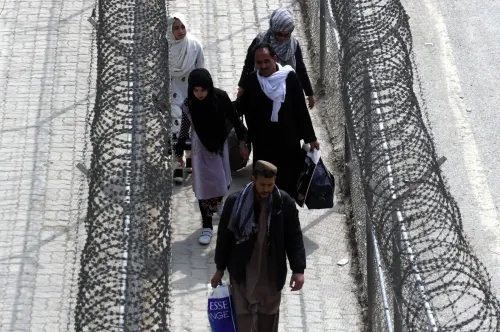
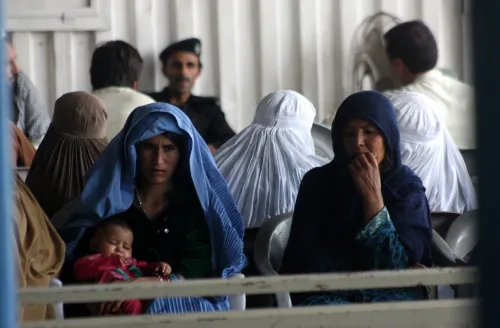
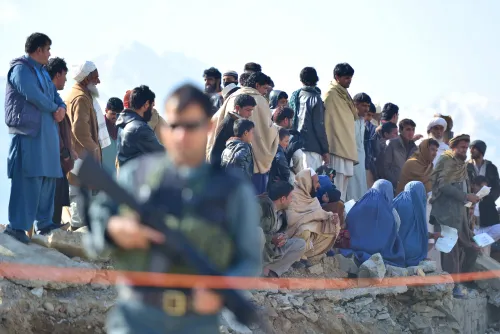
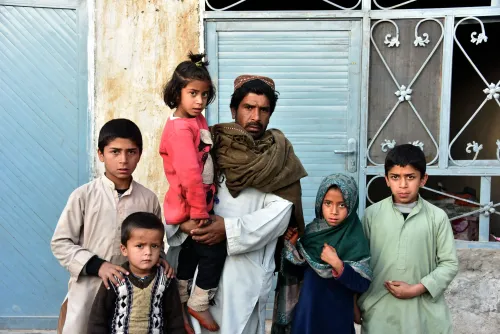
A total of 868 families, comprising 1,847 individuals, were deported to Afghanistan through multiple border crossings on Tuesday, 27 May 2026, according to a statement issued by the Taliban regime and reported by local Afghan media. The single-day figure underscores the continued pace of forced and voluntary returns as Pakistan presses ahead with its mass repatriation drive.
Border-wise breakdown
Taliban deputy spokesperson Hamdullah Fitrat confirmed that the bulk of returnees — 772 families, totalling 1,479 people — crossed back into Afghanistan via the Torkham border crossing. The remaining families entered through three other points: nine families via Spin Boldak, 47 families via Nimroz, and 40 families via the Islam Qala crossing in Herat, according to Afghanistan-based outlet 8AM Media (also known as Hasht-e-Subh Daily).
Broader trend: Q1 2026 data
The single-day figure fits a larger pattern documented by the International Organisation for Migration (IOM). In its latest report, the IOM noted that 174,972 Afghans returned to Afghanistan during the first quarter of 2026 — of whom 89 per cent returned voluntarily and 11 per cent were deported. That quarterly total, however, represented a 53 per cent decline compared to the previous quarter, even as overall return levels remained elevated.
Why Afghans are leaving Pakistan
The IOM report shed light on the push and pull factors behind the movement. 98 per cent of respondents cited fear of arrest as the primary reason for departing Pakistan — a direct consequence of Islamabad's ongoing 'Illegal Foreigners Repatriation Plan', which has been in force since 2023. 69 per cent pointed to financial debt as an additional driver. On the pull side, 71 per cent mentioned family reunification and 65 per cent cited availability of assistance in Afghanistan as motivating factors. Notably, around one quarter of heads of households surveyed had been living in refugee camps in Pakistan before returning.
International criticism and what comes next
Pakistan's deportation campaign has drawn sustained criticism from human rights organisations and the United Nations, which have raised concerns about the conditions awaiting returnees in Taliban-governed Afghanistan. Critics argue that the fear-driven nature of departures — with nearly all respondents citing arrest anxiety — calls into question the 'voluntary' classification applied to the majority of returns. This is not the first time the IOM has flagged the blurred line between coerced and genuine voluntary return in this context. With Pakistan showing no signs of pausing the repatriation plan, the pace of returns is expected to remain high through the rest of 2026.
Point of View
The voluntary label becomes largely statistical fiction. The 53 per cent quarterly drop in numbers may reflect seasonal patterns or reduced Afghan presence in Pakistan rather than any easing of pressure. Meanwhile, the Taliban's prompt public accounting of daily deportation figures serves its own legitimacy purposes — framing the returns as an orderly homecoming rather than a humanitarian stress event. The international community's criticism has so far produced no measurable policy change in Islamabad, raising questions about the enforcement gap in global refugee protection frameworks.
NationPress
10 Oct 2026
Frequently Asked Questions
How many Afghans were deported on 27 May 2026?
A total of 1,847 people from 868 families were deported to Afghanistan on 27 May 2026 through four border crossings, according to a Taliban government statement. The Torkham crossing accounted for the majority, with 1,479 people from 772 families.
Which border crossings were used for the deportations?
The four crossings used were Torkham, Spin Boldak, Nimroz, and Islam Qala in Herat. Torkham handled the largest share — 772 families comprising 1,479 individuals.
What is Pakistan's 'Illegal Foreigners Repatriation Plan'?
It is a Pakistani government policy, in force since 2023, mandating the identification and deportation of undocumented foreign nationals — primarily Afghans. The plan has been criticised by the United Nations and human rights groups for pushing people back into Taliban-governed Afghanistan under conditions of fear.
What does the IOM data say about Afghan returns in 2026?
The IOM reported that 174,972 Afghans returned to Afghanistan in the first quarter of 2026, a 53 per cent decline from the previous quarter. Of those, 89 per cent were classified as voluntary returnees and 11 per cent as deported, though 98 per cent cited fear of arrest as their main reason for leaving Pakistan.
Why are human rights groups critical of the deportations?
Human rights organisations and the UN argue that deporting Afghans to Taliban-governed Afghanistan exposes them to serious protection risks. They also question whether returns driven primarily by fear of arrest can genuinely be classified as voluntary, as Pakistan's own data appears to suggest.