Pakistan deports 4,237 Afghans in a single day amid mass expulsion drive
Synopsis
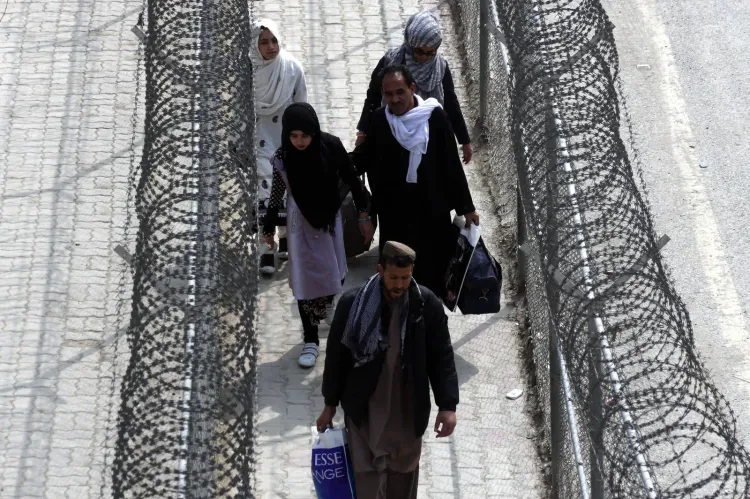
Pakistan is deporting thousands of Afghans every single day — 4,237 on Sunday alone, following 4,590 on Thursday. With over 3.5 million Afghans returned since January and the UN warning of forced removals targeting women and activists, this is one of the largest forced displacement crises unfolding in Asia right now.
Key Takeaways
Pakistan deported 4,237 Afghan migrants on Sunday, 25 May 2025 , through the Spin Boldak crossing in Kandahar.
The four-day total exceeds 17,000 deportations : 4,590 on Thursday, 4,398 on Friday, 4,142 on Saturday, and 4,237 on Sunday.
The IOM recorded more than 3.5 million returns to Afghanistan between 1 January and 9 May 2025 , covering nearly 487,000 families .
Around 1,500 Afghan refugees were detained in camps earlier this month; roughly 100 were arrested from a mosque in the Khazana camp , Peshawar.
The UN refugee agency and UN human rights office have urged Pakistan not to forcibly return Afghans facing persecution, particularly women and former officials.
The Taliban refugee commission confirmed most returns are involuntary .
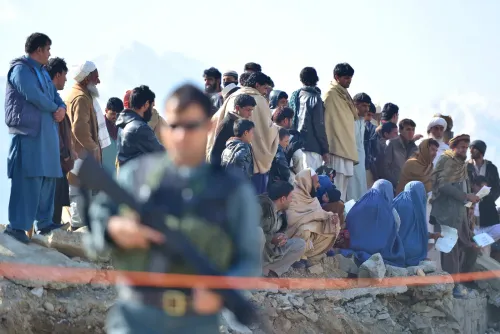
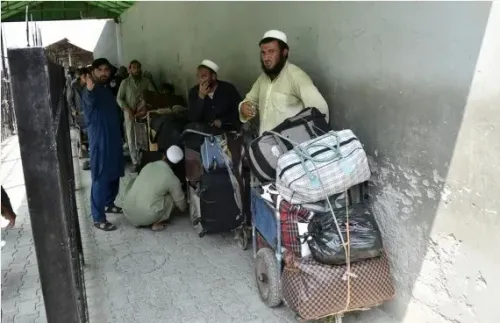
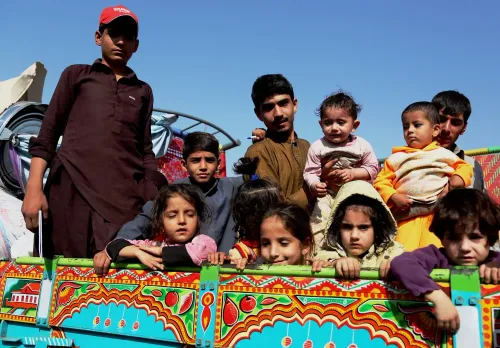
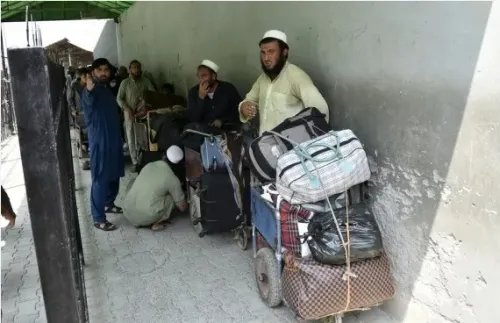
Pakistan deported 4,237 Afghan migrants on Sunday, 25 May 2025, with returnees entering Afghanistan through the Spin Boldak border crossing in the southern province of Kandahar, according to the Taliban commission for refugees. The single-day figure is part of an accelerating mass expulsion campaign that has drawn sharp criticism from the United Nations and international human rights organisations.
Scale of the Deportations
Sunday's figure of 4,237 follows a punishing sequence of removals through the Torkham crossing: 4,590 Afghans were deported on Thursday, 4,398 on Friday, and 4,142 on Saturday. On the same Sunday, 355 individuals were also deported from Iran, according to the Taliban refugee commission, as reported by Afghan media outlet Amu TV. The commission noted that most of these returns are involuntary.
Broader Crisis: Over 3.5 Million Returned Since January
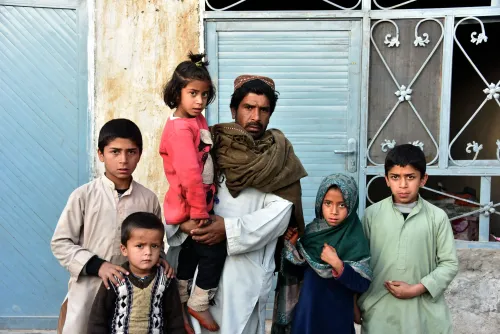
The International Organisation for Migration (IOM) reported earlier this month that between 26 April and 9 May, approximately 114,321 people returned to Afghanistan from Iran and Pakistan combined — comprising 14,778 families, many of them women and children. Between 1 January and 9 May 2025, more than 3.5 million people — nearly 487,000 families — had returned to Afghanistan, according to IOM data. The organisation noted the returnees include both deportees and voluntary returnees.
Pakistan's Crackdown: Arrests and Raids
Pakistan's current enforcement phase represents what analysts describe as one of the most aggressive migration crackdowns in recent years, marking a structural shift in the country's approach to undocumented foreigners — a policy that has disproportionately affected Afghans. Reports indicate that around 1,500 Afghan refugees were detained across several refugee camps earlier this month, with operations concentrated in Peshawar and nearby districts. According to the Afghan Diaspora Network, approximately 100 Afghans were arrested from a mosque in the Khazana camp.
UN and Rights Groups Sound the Alarm
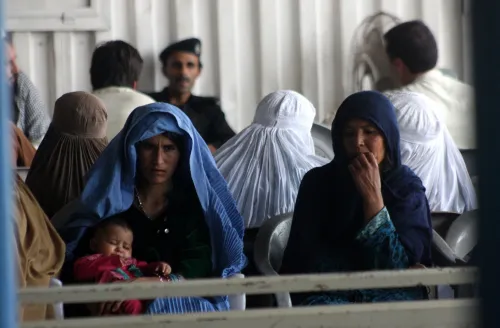
The UN refugee agency (UNHCR) and the UN human rights office have urged governments not to forcibly return Afghan migrants who may face persecution or other serious risks. Particular concern has been raised for women, former government employees, journalists, and human rights activists. Human rights groups warn that many deportees face acute economic hardship and severely limited access to housing, employment, and public services upon arrival in Afghanistan. This comes amid an already dire humanitarian situation under Taliban governance, where rights — particularly for women — have been systematically curtailed since 2021.
What Happens Next
With Pakistan showing no signs of easing its enforcement posture, the pace of deportations is expected to continue in the near term. The IOM and UN agencies are monitoring the situation closely, but their capacity to intervene in forced removals remains limited. The scale of returns — over 3.5 million since January — is placing enormous strain on Afghanistan's already fragile infrastructure and social support systems.
Point of View
000 — point to a systematic, policy-driven expulsion rather than routine enforcement. Pakistan is effectively externalising its domestic political pressures onto a population that has nowhere safe to return to. What is missing from most coverage is the downstream consequence: Afghanistan, under a Taliban administration with no functioning welfare state, is absorbing millions of returnees with no credible reintegration infrastructure. The UN's warnings are consistent and on record, but they have not slowed the pace. The real accountability gap is that neither Pakistan nor the international community has put a reintegration cost on the table.
NationPress
14 Sept 2026
Frequently Asked Questions
How many Afghans did Pakistan deport on Sunday, 25 May 2025?
Pakistan deported 4,237 Afghan migrants on Sunday, 25 May 2025, according to the Taliban commission for refugees. Returnees entered Afghanistan through the Spin Boldak border crossing in Kandahar province.
How many Afghans have returned to Afghanistan in 2025 so far?
More than 3.5 million people — comprising nearly 487,000 families — returned to Afghanistan between 1 January and 9 May 2025, according to the International Organisation for Migration (IOM). The returnees include both deportees and voluntary returnees.
Why is Pakistan deporting Afghan migrants?
Pakistan has been conducting a crackdown on undocumented foreigners, a policy that has disproportionately affected Afghans. Authorities have carried out raids and arrests in refugee camps, particularly in Peshawar, in what analysts describe as one of the most aggressive enforcement phases in recent years.
What are the UN and rights groups saying about the deportations?
The UN refugee agency (UNHCR) and the UN human rights office have urged governments not to forcibly return Afghans who may face persecution or serious risks, especially women, former government employees, journalists, and human rights activists. Human rights groups warn deportees face economic hardship and limited access to housing and employment upon return.
Are the Afghan deportees returning voluntarily?
The Taliban commission for refugees has confirmed that most of the returns are involuntary. The IOM has noted that returnees include both deportees and voluntary returnees, but the scale and pace of the current wave strongly reflects forced removal rather than voluntary migration.