Pakistan's Afghan deportations: 2.68 million pushed out in 'state violence'
Synopsis
Pakistan's expulsion of Afghans has reached 2.68 million — and a new report argues this is not a refugee management failure but deliberate state violence. With Peshawar High Court slamming shut the last legal door for Afghan asylum seekers, and the Taliban waiting on the other side, the deported face arrest, torture, or death. The international community, the report warns, has looked away.
Key Takeaways
Pakistan has deported approximately 2.68 million Afghan nationals nationwide, with 140,468 expelled from Punjab province alone.
The Peshawar High Court on 7 August rejected asylum requests by two former Afghan soldiers, ruling fears of persecution insufficient under Article 199 of Pakistan's Constitution.
Deported Afghans — including former officials, journalists, and women's rights defenders — face risks of arrest, torture, or execution by the Taliban .
The Afghan Diaspora Network describes the crackdown as 'state violence rooted in decades of neglect, racism, and scapegoating,' not a legitimate security policy.
The report flags a domestic contradiction: mass pro-Palestine rallies in Karachi and Lahore occurred simultaneously with large-scale expulsions of Afghan families.
The international community has largely overlooked the crisis, with Afghan refugee suffering consistently overshadowed by other global conflicts.
Pakistan's forced deportation of Afghan nationals has crossed 2.68 million people nationwide, according to a report by the Afghan Diaspora Network, which argues the crisis is far more than a humanitarian catastrophe — it is a destabilising political and economic assault with grave consequences for the region. The report, cited on 22 August, documents mass arrests, demolitions, and border expulsions that have uprooted families who spent decades living in Pakistan.
Scale of the Crackdown
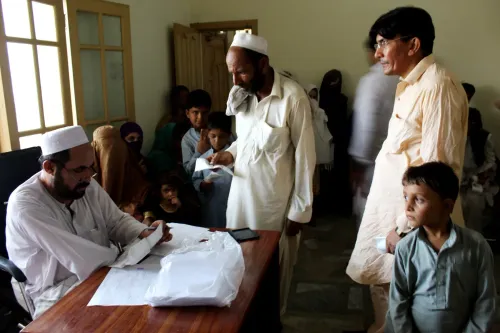
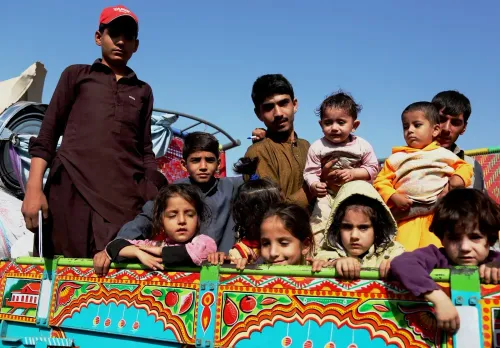
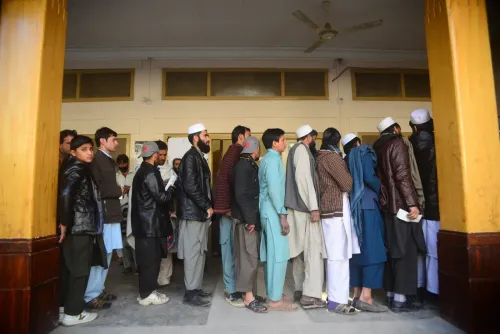
Pakistan's Foreign National Security Cell has led a sweeping operation involving mass arrests and forced removals. Official figures cited in the report indicate that 140,468 Afghan nationals have been deported from Punjab province alone, with the national tally reaching approximately 2.68 million. Many of those expelled are families with deep roots in Pakistan, some having lived there for multiple generations.
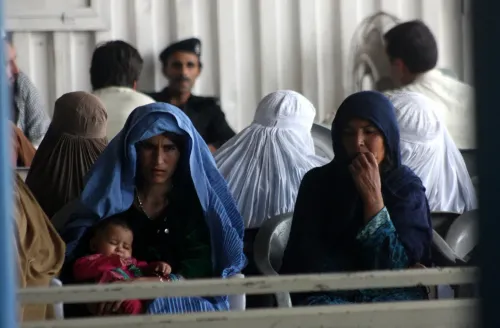
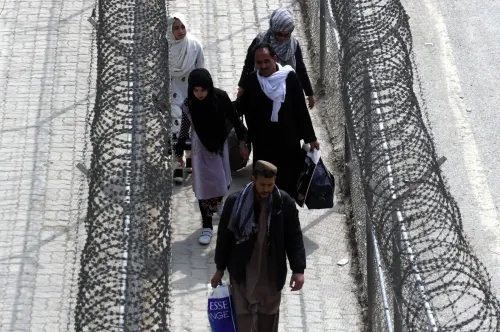
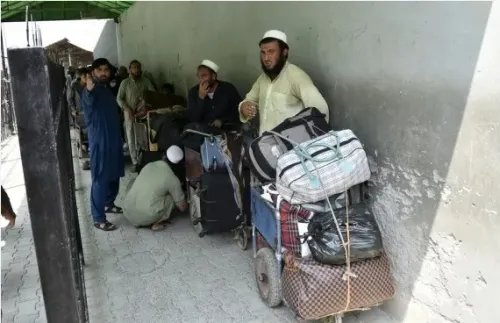
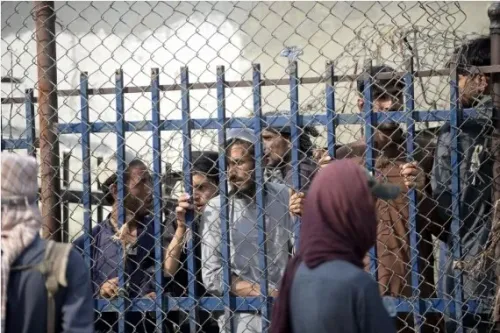
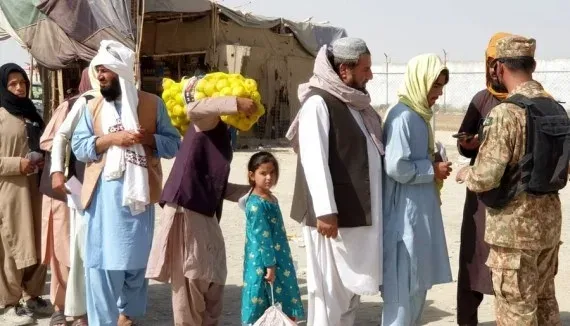
The report describes conditions at the border as dire. Families are reportedly assaulted at checkpoints, stripped of savings and identity documents, and forcibly transported to Durand Line crossings. 'Mothers give birth at crossing points, elders collapse from exhaustion, and children are separated from their families in the chaos,' the Afghan Diaspora Network stated.
Legal System Offers No Protection
On 7 August, Peshawar High Court rejected asylum and temporary residence requests filed by two former Afghan soldiers, ruling that they had failed to establish a violation of their fundamental rights. The petitioners had sought temporary protection, visa extensions, and immunity from arrest, arguing their lives would be in immediate danger upon return to Afghanistan. The court concluded that such fears were insufficient grounds to invoke constitutional jurisdiction under Article 199 of Pakistan's Constitution.
The Afghan Diaspora Network said the ruling 'underscores the rigidity of Pakistan's legal framework in the face of an unfolding humanitarian crisis.' Critics argue it effectively closes off any formal legal avenue for Afghans seeking protection inside Pakistan.
Danger Awaiting the Deported
For those forcibly returned to Afghanistan, the risks are immediate and severe. According to the report, activists, journalists, and former government officials face threats of arrest, torture, or execution at the hands of the Taliban, which has already targeted women's rights defenders and former state employees. The report stresses that the danger is not hypothetical — it is documented and ongoing.
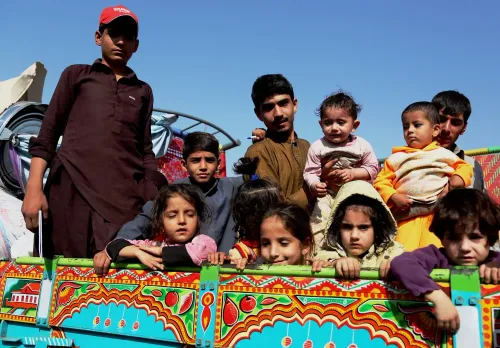
'Entire Afghan neighbourhoods are bulldozed, homes demolished, and communities uprooted with military-style precision. People are dragged from their homes, forced into trucks, and dumped at the Durand Line crossings with nothing but the clothes on their backs,' the Afghan Diaspora Network reported.
Global Silence and Domestic Contradiction
The report highlights what it calls a stark contradiction within Pakistan: large pro-Palestine demonstrations were held recently in Karachi and Lahore, even as Afghan families were being expelled en masse. It questions how Pakistan can denounce persecution abroad while, critics argue, practising ethnic persecution at home.
'This is not a security policy; it is state violence rooted in decades of neglect, racism, and scapegoating. Afghan refugees have long been treated as expendable, tolerated when politically convenient, discarded when expedient,' the Afghan Diaspora Network stated. The report also notes that the plight of Afghan refugees has long been overshadowed by other global conflicts, drawing minimal sustained attention from the international community.
Regional and Political Implications
Beyond the human toll, the Afghan Diaspora Network characterises the deportations as a destabilising political and economic move. The mass expulsion of millions of people — many of whom had integrated into Pakistani society and contributed to its economy — carries second-order consequences for both nations. Afghanistan, already under Taliban governance and facing economic collapse, is absorbing millions of returnees with virtually no infrastructure to support them. The crisis, the report warns, risks compounding regional instability at a moment when diplomatic engagement between Kabul and Islamabad remains deeply fraught.
Point of View
Yet it has attracted a fraction of the international scrutiny directed at smaller crises elsewhere. Pakistan's Peshawar High Court ruling is particularly consequential: by refusing to treat credible fear of Taliban violence as grounds for constitutional protection, it has effectively made the legal system an instrument of expulsion rather than a check on it. The domestic optics are damaging too — a state that publicly champions Palestinian rights while bulldozing Afghan neighbourhoods invites the charge of selective solidarity. For India and the broader region, a destabilised Afghanistan absorbing millions of traumatised returnees, with no economic base to support them, is not a distant humanitarian concern; it is a proximate security variable.
NationPress
7 Oct 2026
Frequently Asked Questions
How many Afghans has Pakistan deported so far?
According to the Afghan Diaspora Network report, approximately 2.68 million Afghan nationals have been deported from Pakistan nationwide, with 140,468 expelled from Punjab province alone. Many of those removed are families who had lived in Pakistan for decades.
What happened at the Peshawar High Court regarding Afghan asylum seekers?
On 7 August, the Peshawar High Court rejected asylum and temporary residence requests filed by two former Afghan soldiers, ruling that fears for their lives were insufficient grounds to invoke constitutional jurisdiction under Article 199 of Pakistan's Constitution. The decision effectively closed a key legal avenue for Afghans seeking protection in Pakistan.
What dangers do deported Afghans face upon return?
Deported Afghans — particularly former government officials, journalists, activists, and women's rights defenders — face the risk of arrest, torture, or execution by the Taliban, which has already targeted such individuals. The Afghan Diaspora Network says the danger for many returnees is immediate.
Why does the report call Pakistan's actions 'state violence' rather than a security policy?
The Afghan Diaspora Network argues the crackdown goes beyond security concerns, describing it as violence rooted in 'decades of neglect, racism, and scapegoating.' The report cites the demolition of Afghan neighbourhoods, assaults at checkpoints, and the stripping of documents as evidence that the operation is punitive rather than procedural.
Why has the international community not responded more strongly?
The report notes that the plight of Afghan refugees has long been overshadowed by other global conflicts, resulting in minimal sustained international attention. It also highlights what it calls a contradiction: while Pakistani cities held large pro-Palestine rallies, the simultaneous mass expulsion of Afghans drew comparatively little global condemnation.