Pakistan's Afghan refugee crackdown: 1,500 detained in structural shift
Synopsis
Pakistan has detained around 1,500 Afghan refugees in days — arresting some during mosque prayers — in what analysts call a structural break from decades of ad hoc tolerance. With 3.4 million Afghans deported from Pakistan and Iran since 2023, and 96.4% of detainees reporting abuse, a report jointly submitted to the UN Committee Against Torture is now putting international pressure on Islamabad's refugee policy vacuum.
Key Takeaways
Around 1,500 Afghan refugees have been detained in camps in Peshawar and nearby districts in recent days.
Approximately 100 Afghans were arrested from a mosque in the Khazana camp during prayer time, according to the Afghan Diaspora Network .
The AMSO found that 96.4% of detained Afghans reported abuse, and 85.7% said they paid money to avoid arrest or secure release.
72.4% of detainees were held for more than 48 hours without judicial review; none received an individual risk assessment before deportation.
More than 3.4 million Afghan migrants have been deported from Pakistan and Iran since 2023 .
Pakistan has never adopted a comprehensive national refugee law despite hosting Afghans since 1979 .
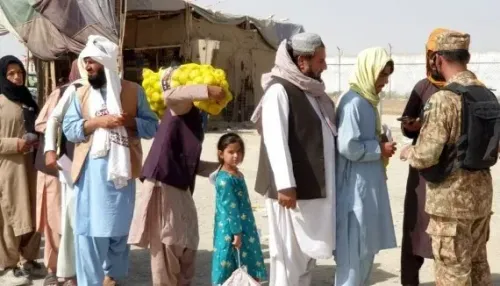
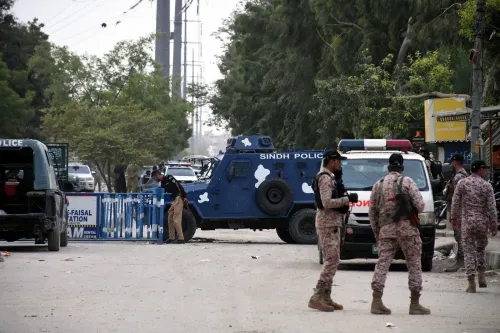
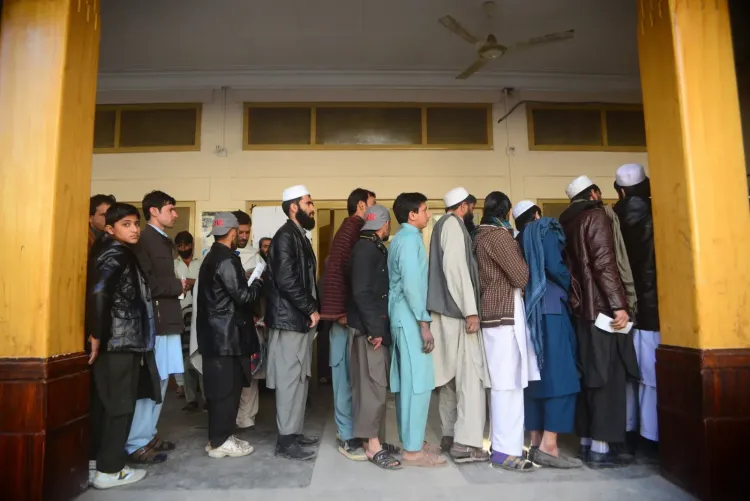
Pakistan's ongoing wave of mass arrests targeting Afghan refugees marks a structural shift in the country's migration governance, according to a new report — representing one of the most aggressive enforcement phases in over four decades of hosting Afghan displaced persons. Around 1,500 Afghan refugees have reportedly been detained across several camps in recent days, with operations concentrated in Peshawar and surrounding districts.
Scale of the Crackdown
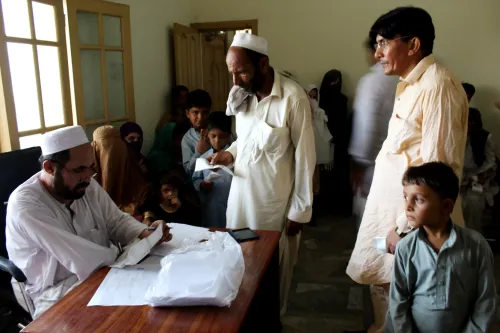
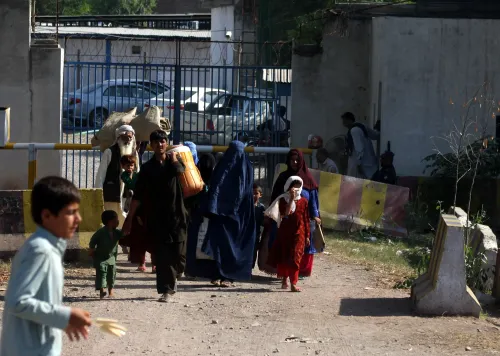
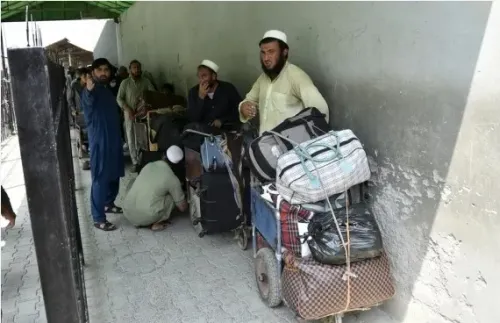
Local accounts cited by the Afghan Diaspora Network indicate that approximately 100 Afghans were arrested from a mosque inside the Khazana camp during prayer time — a detail that has deepened anxiety among a community already uncertain about its legal standing. Afghan refugees have reported intensifying police raids, document checks, and forced removals in recent weeks.
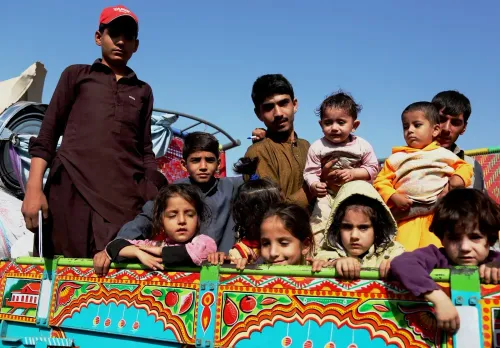
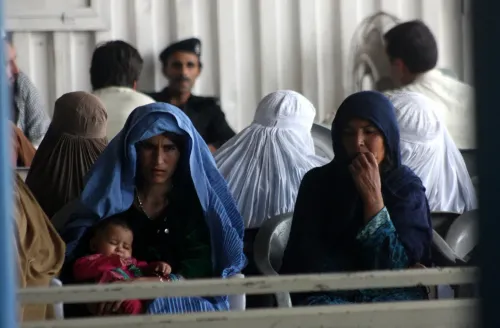
Many families say daily life has been effectively paralysed: children are no longer attending school, and workers are afraid to leave their homes, severely disrupting livelihoods. The arrests during prayer hours, residents noted, have added a layer of psychological distress beyond the immediate legal threat.
Decades of Legal Ambiguity
Dawood Jabarkhail, writing in a report for the Afghan Diaspora Network, traced the roots of the current crisis to a foundational policy gap. 'Since 1979, Pakistan has hosted millions of Afghans, at times offering hospitality and at other times imposing restrictive policies. While many Afghans integrated into local economies and communities, Pakistan never adopted a comprehensive national refugee law,' he wrote.
Jabarkhail further noted: 'Instead, it relied on temporary documentation schemes, periodic registration drives, and ad hoc enforcement measures. This legal ambiguity has left refugees perpetually vulnerable to shifts in political mood, security narratives, and bilateral tensions with Afghanistan.' This absence of a codified refugee framework has, over four decades, left millions without durable legal protection.
Abuse, Extortion and Deportation Without Due Process
On 8 May, the Afghanistan Media Support Organisation (AMSO) documented a pattern of arbitrary arrests, mistreatment, extortion, and forced deportation facing Afghan refugees in Pakistan. According to its report — prepared jointly with the World Organisation Against Torture and presented to the United Nations Committee Against Torture — the findings are stark.
Among surveyed Afghans: 68.3% said they had been arrested or imprisoned; 96.4% of detainees reported facing abuse during arrest or detention; 85.7% said they were forced to pay money to avoid arrest or secure release; 75.6% faced threats, humiliation, or other psychological abuse; and 72.4% were held for more than 48 hours without judicial review. Critically, the AMSO stated that none of the deported individuals received an individual risk assessment before removal from Pakistan.
The survey covered 41 Afghan nationals and included six in-depth interviews, with documentation drawn from organisations including the United Nations High Commissioner for Refugees (UNHCR), the International Organisation for Migration (IOM), Amnesty International, and the Human Rights Commission of Pakistan.
Broader Deportation Toll Since 2023
The AMSO report, as cited by Afghanistan's Khaama Press, noted that more than 3.4 million Afghan migrants have been deported from Pakistan and Iran since 2023, amid escalating crackdowns on undocumented foreigners. This figure underscores the scale of a displacement crisis that is compounding pressure on an already fragile Afghanistan.
What Comes Next
With no comprehensive refugee law in place and bilateral Pakistan-Afghanistan relations under strain, rights groups warn that the legal vacuum enabling these enforcement actions is unlikely to close soon. The submission of findings to the UN Committee Against Torture signals that international scrutiny of Pakistan's refugee policies is intensifying — though whether that translates into policy change remains to be seen.
Point of View
Islamabad has preserved maximum political flexibility to tighten or loosen enforcement as bilateral and domestic pressures dictate. What is different now is the scale and the documentation: a UN-submitted report recording near-universal abuse among detainees is harder to dismiss than anecdotal accounts. The real question is whether international scrutiny will force a durable legal framework or merely produce a temporary pause before the next enforcement wave. With Afghanistan under Taliban rule and no viable repatriation pathway for most deportees, the human cost of this legal vacuum is being paid by some of the world's most vulnerable people.
NationPress
21 Sept 2026
Frequently Asked Questions
How many Afghan refugees have been detained in Pakistan recently?
Around 1,500 Afghan refugees have reportedly been detained across several camps in recent days, with operations concentrated in Peshawar and nearby districts. Local accounts indicate that approximately 100 Afghans were arrested from a mosque in the Khazana camp during prayer time.
What abuses have Afghan detainees reported in Pakistan?
According to an AMSO report submitted to the UN Committee Against Torture, 96.4% of Afghan detainees reported facing abuse during arrest or detention, 85.7% said they were forced to pay money to avoid arrest or secure release, and 75.6% faced psychological abuse including threats and humiliation.
Why does Pakistan lack a formal refugee policy for Afghans?
Pakistan has never adopted a comprehensive national refugee law despite hosting Afghan refugees since 1979. It has instead relied on temporary documentation schemes and ad hoc enforcement, leaving refugees legally vulnerable to shifts in political and security priorities.
How many Afghans have been deported from Pakistan and Iran since 2023?
More than 3.4 million Afghan migrants have been deported from Pakistan and Iran combined since 2023, according to the AMSO report, amid escalating crackdowns on undocumented foreigners in both countries.
Which international bodies are scrutinising Pakistan's treatment of Afghan refugees?
The AMSO, jointly with the World Organisation Against Torture, has presented its findings to the United Nations Committee Against Torture. The report draws on documentation from UNHCR, IOM, Amnesty International, and the Human Rights Commission of Pakistan.