Afghan refugees in Pakistan face arrest, extortion and forced deportation: AMSO report
Synopsis
A new AMSO report reveals that 96.4% of detained Afghan refugees in Pakistan faced abuse, 85.7% were extorted, and none received individual risk assessments before deportation. With over 3.4 million Afghans deported from Pakistan and Iran since 2023, the findings — now before the UN Committee Against Torture — paint a damning picture of systemic rights violations.
Key Takeaways
The Afghanistan Media Support Organisation (AMSO) released a report on 9 May 2025 detailing abuse of Afghan refugees in Pakistan .
96.4 per cent of detained Afghans surveyed reported facing abuse during arrest or detention.
85.7 per cent of respondents said they were forced to pay money to avoid arrest or secure release.
More than 3.4 million Afghan migrants have been deported from Pakistan and Iran since 2023 .
None of the deported individuals received an individual risk assessment before deportation, according to the report.
The report was jointly prepared with the World Organisation Against Torture and presented to the UN Committee Against Torture .
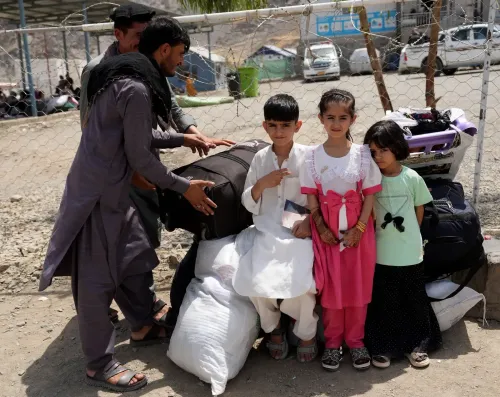
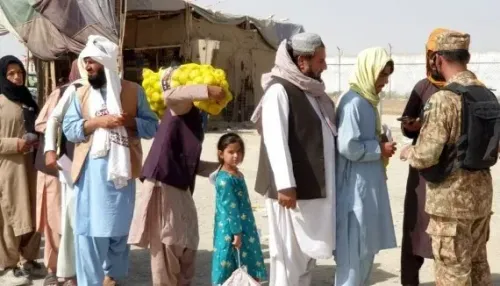
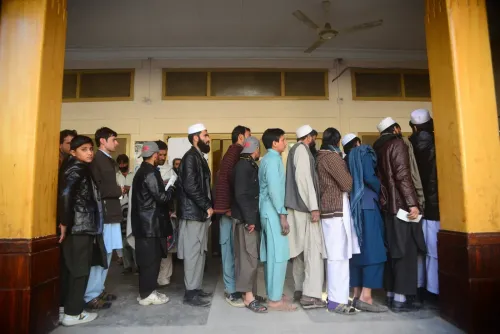
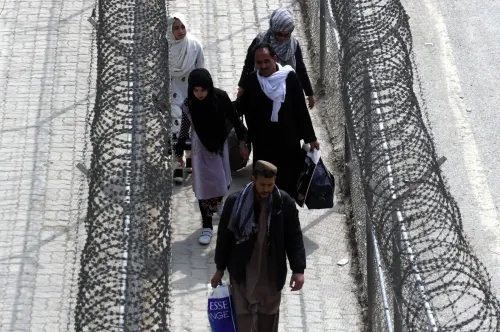
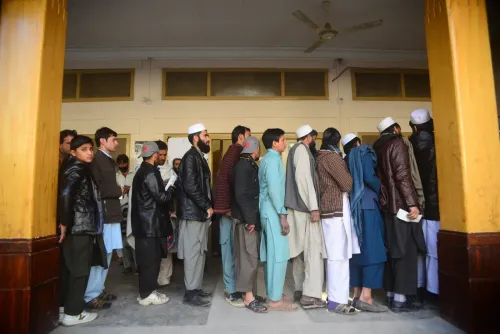
The Afghanistan Media Support Organisation (AMSO) has warned that Afghan refugees in Pakistan are facing arbitrary arrests, mistreatment, extortion, and the threat of forced deportation, according to a report released on Friday, 9 May 2025. The findings, based on surveys of 41 Afghan nationals, have been presented to the United Nations Committee Against Torture.
Key Findings of the AMSO Report
According to the report, 68.3 per cent of surveyed Afghans said they had been arrested or imprisoned, while a striking 96.4 per cent of detainees reported facing abuse during arrest or detention. The report further noted that 85.7 per cent of respondents were forced to pay money to avoid arrest or secure release from detention facilities.
Additionally, 75.6 per cent of respondents faced threats, humiliation, and other forms of psychological abuse, while 72.4 per cent were detained for more than 48 hours without judicial review. Critically, the AMSO noted that none of the deported individuals received an individual risk assessment before deportation from Pakistan.
Scale of Deportations Since 2023
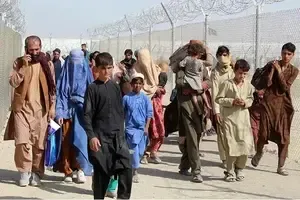
The AMSO report stated that more than 3.4 million Afghan migrants have been deported from Pakistan and Iran since 2023, amid escalating crackdowns on undocumented foreigners. Sources indicate that more than 5,673 illegal Afghans have been repatriated to Afghanistan since the deadline for voluntary return ended.
The report was prepared jointly with the World Organisation Against Torture and draws on documentation from organisations including the United Nations High Commissioner for Refugees (UNHCR), the International Organisation for Migration (IOM), Amnesty International, and the Human Rights Commission of Pakistan.
Pakistan's Crackdown and Its Impact
Pakistan has intensified deportations of undocumented Afghans since late 2023, citing security concerns and economic pressures. On 14 April, police in Quetta arrested more than 20 landlords and shop owners for renting properties to undocumented Afghan migrants, with cases lodged under existing legal provisions governing housing and foreign residency.
Last month, a 15-member Afghan family, including minor children, was detained by law enforcement agencies in Rawalpindi as authorities continued their crackdown. Afghan migrants in Balochistan have reported that restrictions imposed by authorities have made routine life increasingly difficult, limiting access to housing, employment, and essential services.
Pakistan has also imposed a ban on renting properties to undocumented foreign nationals in Islamabad and nearby areas, extending restrictions to utilities, mobile SIM cards, and other essential services. Law enforcement agencies have been directed to maintain accurate and consolidated data on all deported Afghan nationals, with verification assigned to the Counter-Terrorism Department (CTD).
Human Rights Concerns After Repatriation
Human rights organisations have repeatedly warned that many Afghan nationals face serious risks upon being repatriated to Afghanistan — particularly journalists, former government workers, activists, and women. The absence of individual risk assessments before deportation, as flagged by the AMSO, raises acute concerns under international refugee protection standards.
This comes amid a broader global debate over the rights of Afghan nationals displaced since the Taliban's return to power in August 2021. With Pakistan's crackdown showing no signs of easing, the situation for hundreds of thousands of undocumented Afghans remains deeply precarious.
Point of View
Not isolated incidents. Pakistan's security rationale for the crackdown is not without context — Islamabad has faced genuine pressure from cross-border militancy — but the absence of individual risk assessments before deportation directly violates the principle of non-refoulement under international law. What mainstream coverage often misses is that the most vulnerable returnees — journalists, female activists, former government officials — face existential danger in Taliban-controlled Afghanistan. The international community's muted response to this crisis, compared to refugee situations elsewhere, deserves scrutiny.
NationPress
20 Sept 2026
Frequently Asked Questions
What did the AMSO report find about Afghan refugees in Pakistan?
The AMSO report found that 96.4% of detained Afghan refugees faced abuse during arrest or detention, 85.7% were extorted to avoid arrest, and 72.4% were held for more than 48 hours without judicial review. None of the deported individuals received an individual risk assessment before being sent back to Afghanistan.
How many Afghans have been deported from Pakistan and Iran since 2023?
More than 3.4 million Afghan migrants have been deported from Pakistan and Iran since 2023, according to the AMSO report. Over 5,673 illegal Afghans have been repatriated to Afghanistan since the deadline for voluntary return ended.
Who is at greatest risk among Afghan deportees?
Human rights organisations have warned that journalists, former government workers, activists, and women face the most serious risks upon return to Taliban-controlled Afghanistan. The AMSO flagged the absence of individual risk assessments as a critical failure in Pakistan's deportation process.
What actions has Pakistan taken against undocumented Afghans?
Pakistan has intensified deportations since late 2023, citing security and economic concerns. Authorities have arrested landlords renting to undocumented migrants, banned property rentals to undocumented foreigners in Islamabad, and restricted access to utilities and mobile SIM cards for undocumented Afghan nationals.
Where have the AMSO findings been submitted?
The AMSO report, prepared jointly with the World Organisation Against Torture, was presented to the United Nations Committee Against Torture. It draws on data from UNHCR, IOM, Amnesty International, and the Human Rights Commission of Pakistan.