Amnesty urges nations to halt unlawful Afghan refugee expulsions
Synopsis
With 270,000 Afghans already deported in 2025 — mostly from Iran and Pakistan — Amnesty International and the UN are sounding the loudest alarm yet. A joint UN report titled ‘No Safe Haven’ documents torture and arbitrary detention upon return, and now even Europe’s deportation plans are drawing scrutiny from the UN human rights chief.
Key Takeaways
Amnesty International has urged all nations to immediately stop the unlawful expulsion of Afghan refugees .
Nearly 270,000 Afghans have been deported in 2025 , primarily from Iran and Pakistan , per UNHCR data.
A joint UNAMA and OHCHR report titled ‘No Safe Haven’ documented arbitrary arrest, torture, and detention of returnees by Taliban authorities.
UN Human Rights Chief Volker Turk warned in May 2025 that forced returns violate the international law principle of non-refoulement .
Some European Union member states are considering or resuming Afghan deportations, drawing sharp criticism from the UN .
Women, girls, former government affiliates, media workers, and LGBTIQ+ individuals face the gravest risks upon return.
Amnesty International has called on the international community to immediately halt the unlawful expulsion of Afghan refugees, demanding that host nations safeguard individuals with international protection needs in line with international human rights law. The appeal comes as deportation figures continue to climb globally, raising alarm among leading rights bodies.
The Scale of Deportations
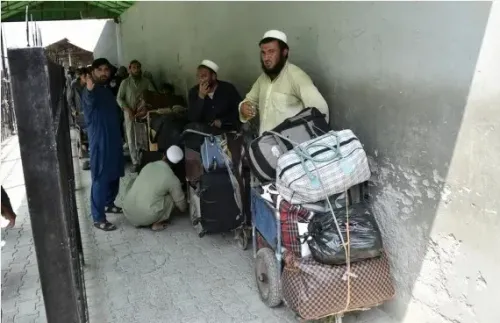
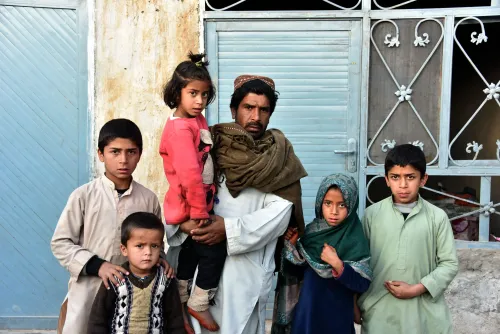
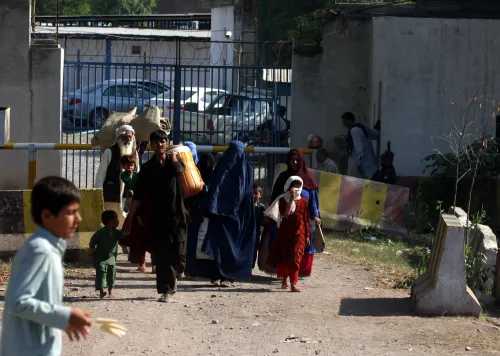
According to the United Nations High Commissioner for Refugees (UNHCR), nearly 270,000 Afghans have been deported to Afghanistan since the beginning of 2025, predominantly from Iran and Pakistan, with smaller numbers from Turkey and Tajikistan. This is in addition to over 1.2 million Afghan refugees deported from Iran and 150,000 from Pakistan in the previous year alone.
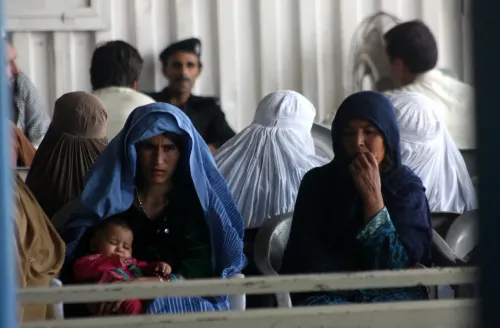
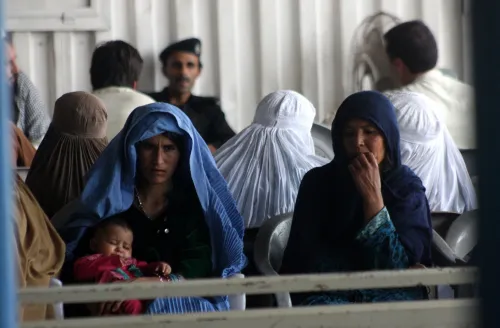
In a post on X, Amnesty said: “Millions of Afghan refugees are being expelled across the globe, and that number keeps climbing day by day. In host countries, they are facing arbitrary arrests and family separations; upon return, they are facing human rights violations amidst one of the most severe humanitarian crisis in the world.”
What Rights Bodies Are Saying
The United Nations High Commissioner for Human Rights, Volker Turk, had earlier in May 2025 warned against the continued forced repatriation of Afghan refugees and asylum-seekers to Afghanistan, describing it as a violation of international human rights and refugee law. “Afghan women, children and men continue to be pushed out of countries where they had sought safety, forcing them to return to Afghanistan against their will and exposing them to grave risk,” he said.
Turk invoked the international legal principle of non-refoulement, which prohibits states from returning individuals to places where they face serious harm. “I urge States to abide by their international legal obligations and protect Afghans by not taking any action that exposes them to irreparable harm upon return,” he stated.
Documented Abuses Upon Return
A 2025 joint report by the UN Assistance Mission in Afghanistan (UNAMA) and the UN Human Rights Office (OHCHR), titled ‘No Safe Haven’, documented that Afghan refugees forcibly returned to Afghanistan faced arbitrary arrest, detention, torture, and ill-treatment at the hands of Taliban authorities. The report identified particularly acute risks for women and girls, individuals affiliated with the former Afghan government and its security forces, media workers, civil society members, and those from the LGBTIQ+ community.
Europe Under Scrutiny
The UN human rights chief also flagged concerns over mounting reports that certain European nations are resuming or considering deportations of Afghan nationals, despite the severe human rights situation on the ground. Several European Union (EU) member states are simultaneously seeking a more coordinated approach to returns. Turk cautioned that proposed new EU rules on returns, currently under review, could weaken existing human rights safeguards. “I strongly caution against all involuntary returns to Afghanistan in the absence of individualised risk assessments, which are required by and must be carried out in accordance with international human rights and refugee law,” he said.
The UNHCR and the International Organisation for Migration (IOM) have both repeatedly stressed that any return of Afghan refugees must be safe, voluntary, and dignified, and have called for greater international support for returnees. With deportation numbers rising and legal safeguards under pressure, the situation is expected to remain a focal point at upcoming UN human rights sessions.
Point of View
000 deportation figure for 2025 alone — before the year is half over — signals that the global political consensus on Afghan protection has quietly collapsed. What is striking is that the pressure is no longer limited to Iran and Pakistan; European states, which once positioned themselves as defenders of refugee law, are now part of the same story. The proposed EU returns framework deserves particular scrutiny: if it lowers the bar for individual risk assessments, it effectively outsources harm to the Taliban. The UN’s ‘No Safe Haven’ report gives courts and civil society the evidentiary foundation to challenge these deportations — the question is whether governments will be held to account before the numbers grow further.
NationPress
19 Sept 2026
Frequently Asked Questions
What has Amnesty International said about Afghan refugee expulsions?
Amnesty International has called on the international community to immediately stop the unlawful expulsion of Afghan refugees and to protect those with international protection needs under international human rights law. The organisation warned that refugees face arbitrary arrests and family separations in host nations, and human rights violations upon return to Afghanistan.
How many Afghan refugees have been deported in 2025?
According to the UNHCR, nearly 270,000 Afghans have been deported to Afghanistan since the beginning of 2025, mainly from Iran and Pakistan, with smaller numbers from Turkey and Tajikistan. This is on top of over 1.2 million deported from Iran and 150,000 from Pakistan in the previous year.
What is the principle of non-refoulement and why does it matter here?
Non-refoulement is a core principle of international law that prohibits states from returning individuals to places where they face a serious risk of harm. UN Human Rights Chief Volker Turk invoked this principle in May 2025, arguing that forced returns of Afghans to Taliban-controlled Afghanistan directly violate this obligation.
What does the UN’s ‘No Safe Haven’ report reveal?
The 2025 joint UNAMA and OHCHR report titled ‘No Safe Haven’ found that Afghan refugees forcibly returned to Afghanistan faced arbitrary arrest, detention, torture, and ill-treatment by Taliban authorities. Women, girls, former government affiliates, media workers, civil society members, and LGBTIQ+ individuals were identified as facing the gravest risks.
Are European countries also deporting Afghan refugees?
Yes. UN Human Rights Chief Volker Turk expressed concern that some European countries are resuming or considering deportations of Afghan nationals despite the severe human rights situation there. He also cautioned that proposed new EU rules on returns, currently under review, could weaken existing human rights safeguards.