UN rights chief warns against forced return of Afghan refugees amid mass deportations
Synopsis
Nearly 270,000 Afghans have been forcibly deported in 2025 alone — and the UN's top human rights official is now drawing a legal red line. Volker Turk's warning that forced returns violate non-refoulement principles puts both Asian deportation hubs and EU member states on notice, as a joint UN report documents torture and arbitrary detention awaiting those sent back.
Key Takeaways
Volker Turk , UN High Commissioner for Human Rights, warned on 22 May that forced repatriation of Afghan refugees violates international law.
Nearly 270,000 Afghans have been deported to Afghanistan in 2025 , primarily from Iran and Pakistan .
Last year, over 1.2 million Afghans were deported from Iran and 150,000 from Pakistan.
A 2025 UN report titled 'No Safe Haven' documented torture, arbitrary detention, and ill-treatment of deported Afghans by Taliban authorities.
The UN raised concerns over EU member states resuming deportations and proposed EU return rules that could weaken human rights safeguards.
Civilian casualties in Afghanistan hit their highest level since the Taliban takeover in the last quarter, driven by Pakistan-Afghanistan hostilities.
United Nations High Commissioner for Human Rights Volker Turk on Friday, 22 May issued a stark warning against the continued forced repatriation of Afghan refugees and asylum-seekers to Afghanistan, declaring the practice a direct violation of international human rights and refugee law. The warning comes as deportation numbers reach alarming levels across multiple countries.
Scale of Deportations
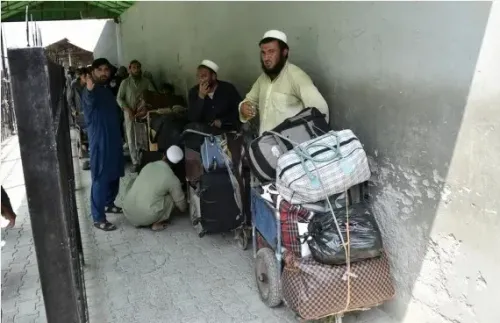
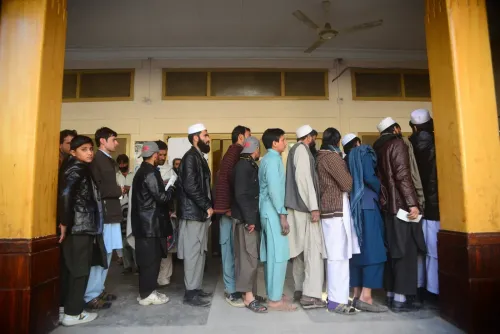
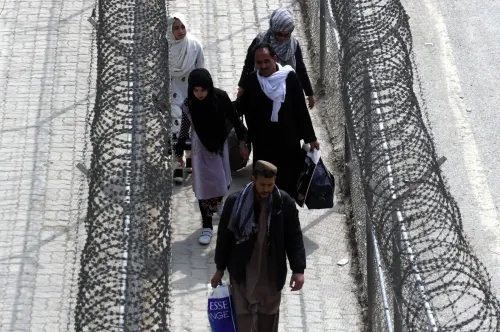
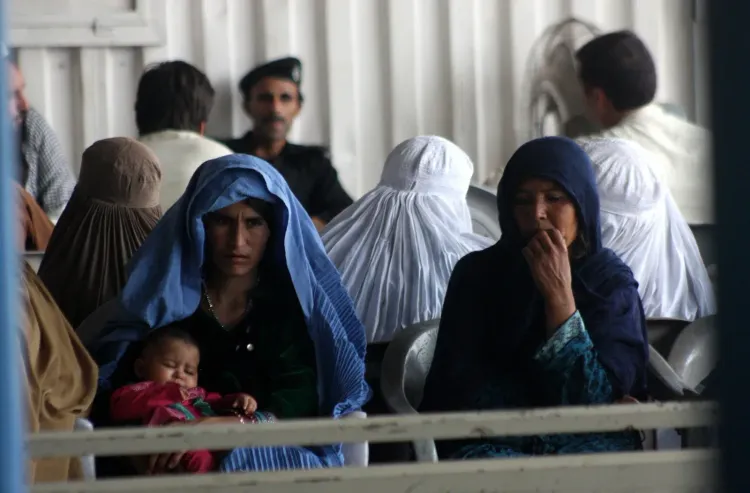
According to the United Nations High Commissioner for Refugees (UNHCR), nearly 270,000 Afghans have been deported to Afghanistan since the beginning of the year, with the vast majority expelled from Iran and Pakistan, and smaller numbers from Turkey and Tajikistan. This follows an even larger wave last year — over 1.2 million Afghan refugees deported from Iran and 150,000 from Pakistan.
Who Faces the Greatest Risk
The UN human rights agency identified several groups at grave risk of reprisals and abuse upon return. These include women and girls, individuals affiliated with the former Afghan government and its security forces, media workers, civil society members, and those belonging to the LGBTIQ+ community.
'Afghan women, children and men continue to be pushed out of countries where they had sought safety, forcing them to return to Afghanistan against their will and exposing them to grave risk,' Turk said.
The Legal Principle at Stake
Turk invoked the core international law principle of non-refoulement — which prohibits states from returning individuals to places where they face serious harm. 'Returning individuals at serious risk of human rights violations involuntarily to Afghanistan runs contrary to the core international law principle of non-refoulement. I urge States to abide by their international legal obligations and protect Afghans by not taking any action that exposes them to irreparable harm upon return,' he stated.
A 2025 joint report by the UN Assistance Mission in Afghanistan (UNAMA) and the UN Human Rights Office (OHCHR), titled 'No Safe Haven', documented that forcibly deported Afghans experienced arbitrary arrest, detention, torture, and ill-treatment at the hands of Taliban authorities.
Europe Under Scrutiny
Turk also expressed concern over mounting reports that some European Union (EU) member states are resuming or actively considering deportations of Afghan nationals, despite the severe human rights situation on the ground. Several EU member states have been seeking a more coordinated approach to returns.
The proposed new EU rules on returns, currently under review, have drawn additional criticism from the UN, which warned they could weaken human rights safeguards. 'I strongly caution against all involuntary returns to Afghanistan in the absence of individualised risk assessments, which are required by and must be carried out in accordance with international human rights and refugee law,' Turk stated.
Humanitarian and Security Context
Beyond the human rights crisis, the UN agency flagged Afghanistan's precarious humanitarian situation and rising cross-border insecurity, particularly since October 2025. The last quarter recorded the highest level of civilian casualties since the Taliban takeover, driven by escalating hostilities between Pakistan and Afghanistan.
With deportation numbers rising and EU policy under revision, the pressure on international bodies to enforce non-refoulement protections is expected to intensify in the months ahead.
Point of View
000 figure is not a humanitarian abstraction — it is a policy indictment. Iran and Pakistan have effectively normalised mass expulsion as a domestic pressure valve, and the international community has largely looked away. What makes this moment sharper is the EU dimension: if wealthy democracies normalise Afghan returns under the cover of coordinated policy, it strips the non-refoulement principle of its last credible enforcement context. The 'No Safe Haven' report's documentation of Taliban-administered torture upon return makes the legal exposure for deporting states unambiguous — the question is whether political will exists to act on it.
NationPress
20 Sept 2026
Frequently Asked Questions
Why is the UN warning against deporting Afghan refugees?
The UN warns that forcibly returning Afghans to Afghanistan violates the international legal principle of non-refoulement, which prohibits states from sending people to places where they face serious harm. A 2025 UN report documented that deported Afghans faced arbitrary arrest, detention, and torture at the hands of Taliban authorities.
How many Afghan refugees have been deported in 2025?
According to UNHCR, nearly 270,000 Afghans have been deported to Afghanistan since the beginning of 2025, primarily from Iran and Pakistan, with smaller numbers from Turkey and Tajikistan. This follows over 1.2 million deportations from Iran and 150,000 from Pakistan in the previous year.
Which groups are most at risk if returned to Afghanistan?
The UN identified women and girls, individuals linked to the former Afghan government and its security forces, media workers, civil society members, and LGBTIQ+ individuals as facing the gravest risk of reprisals and human rights abuses upon return.
What is the 'No Safe Haven' report?
'No Safe Haven' is a 2025 joint report by UNAMA and OHCHR documenting the fate of Afghan refugees forcibly deported to Afghanistan. It found that returnees experienced arbitrary arrest, detention, torture, and ill-treatment by Taliban authorities.
What is the EU's position on deporting Afghan nationals?
Several EU member states are seeking a coordinated approach to returning Afghan nationals, and some are reportedly resuming or considering deportations. The UN has expressed concern that proposed new EU rules on returns could weaken existing human rights safeguards.