UNHCR flags forced Afghan repatriation from Pakistan, over 10,000 daily returns
Synopsis
More than 10,000 Afghans are crossing back into Afghanistan daily from Pakistan — triple the May–June rate — as Islamabad enforces its Illegal Foreigners Repatriation Plan. The UNHCR has publicly condemned the operation as forced, flagging acute danger for women, minorities, journalists, and transgender individuals being sent back under Taliban rule.
Key Takeaways
Over 10,000 Afghan nationals are returning daily via the Hamza Baba transit point in Landi Kotal , tripling the May–June 2025 rate.
UNHCR Pakistan spokesperson Qaiser Khan Afridi has condemned the returns as 'forcible', calling for voluntary, safe, and dignified repatriation.
Since November 2023 , approximately 2,560,000 Afghans have returned under Pakistan 's Illegal Foreigners Repatriation Plan (IFRP) ; 260,000 were formally deported.
Around 900,000 Afghan refugees and asylum seekers are still reportedly residing in Pakistan .
The UNHCR has specifically appealed for exemptions for vulnerable groups including women, minorities, journalists, and transgender individuals facing refoulement risks .
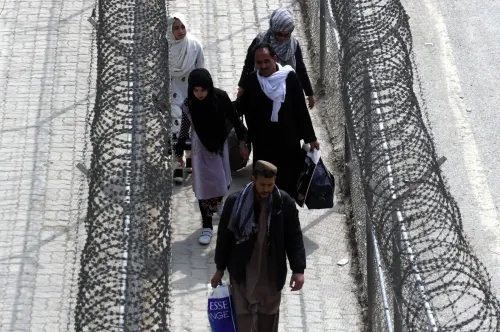
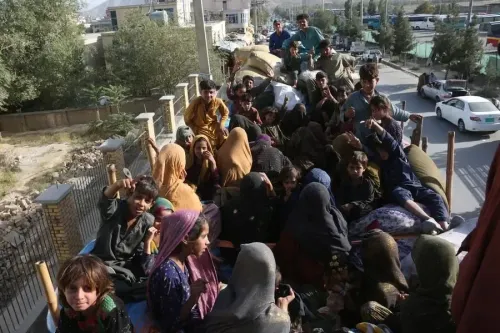
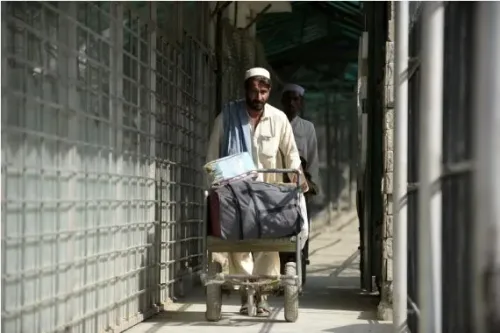
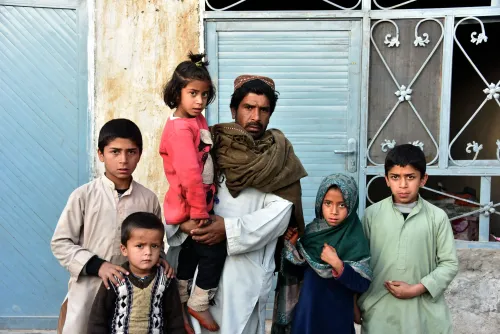
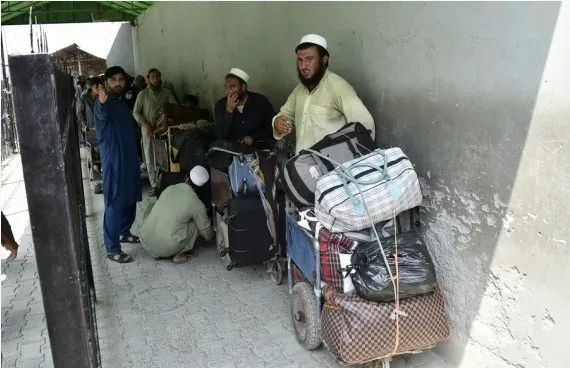
The United Nations High Commissioner for Refugees (UNHCR) has raised alarm over the 'forced' repatriation of Afghan nationals from Pakistan, with figures from the Hamza Baba transit point in Landi Kotal indicating that daily returnee numbers have surpassed 10,000 — a figure that has tripled compared to levels recorded in May and June 2025. The development follows Pakistan's order mandating all Afghan nationals to return to Afghanistan, triggering what officials and humanitarian observers describe as a mass, fear-driven exodus.
Scale of the Returns
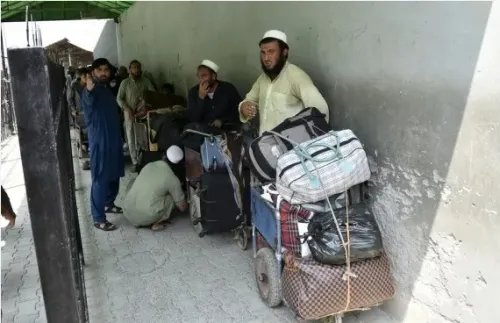
Data from the Hamza Baba transit point in Landi Kotal and the Torkham border crossing reveals a dramatic surge in crossings. Officials at the transit point confirmed that more than 10,000 Afghans are returning daily, with many fleeing the fear of a government crackdown. Notably, Afghan nationals both with and without valid identity documents are rushing to the border to avoid detention.
According to the UNHCR, approximately 2,560,000 Afghans have returned to their country since the launch of Pakistan's Illegal Foreigners Repatriation Plan (IFRP) in November 2023. Of these, 260,000 were formally deported by immigration authorities for overstaying without legal travel documents. An estimated 900,000 Afghan refugees and asylum seekers are still reportedly residing in Pakistan.
What UNHCR Said
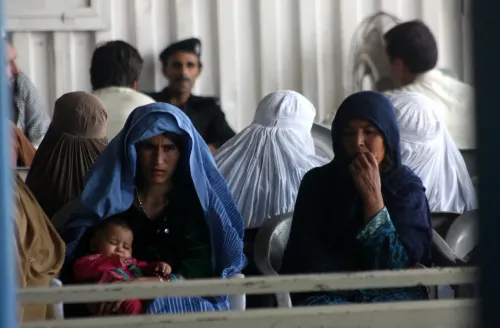
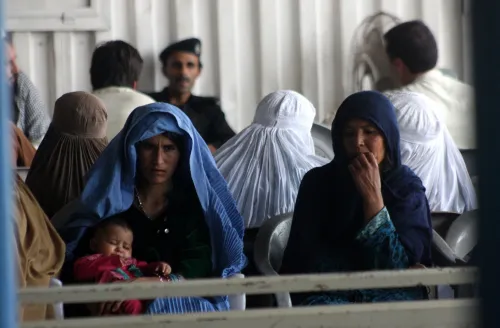
Qaiser Khan Afridi, spokesperson for UNHCR Pakistan, expressed serious concern over Islamabad's decision to forcibly return Afghan refugees and asylum seekers. 'UNHCR remains particularly concerned about women and girls forced to return to a country where their human rights are at risk, as well as other groups who might be at risk,' he said.
Afridi urged Pakistani authorities to ensure that any returns are voluntary, safe and dignified. The agency has specifically appealed for exemptions from forced return for Afghans with continued international protection needs, particularly those facing refoulement risks — a term referring to the return of individuals to places where they face serious threats to their life or freedom.
Vulnerable Groups at Risk
The UNHCR identified several categories of Afghans it considers especially vulnerable, including female heads of households, women and girls enrolled in educational institutions in Pakistan, individuals from ethnic and religious minorities, human rights defenders, journalists, performing artists, and members of the transgender community. Under Taliban rule in Afghanistan, many of these groups face documented restrictions on movement, education, and civil participation.
What Comes Next
Officials at the border expect repatriation numbers to climb further in the coming days, as more Pakistani government departments intensify their focus on the removal process. The scale of the current movement — with daily figures already tripling the May–June baseline — suggests the pace will continue as long as enforcement pressure remains. The UNHCR's public appeal marks a significant escalation in the humanitarian community's pushback against Islamabad's approach, and international scrutiny of the operation is likely to intensify.
Point of View
As designed, makes no such distinction. Sending female students, journalists, and minority community members back to an Afghanistan where their rights are systematically curtailed is not repatriation — it is, by legal definition, refoulement. The international community's response so far has been limited to statements, and that gap between rhetoric and action is precisely what Islamabad appears to be counting on.
NationPress
10 Oct 2026
Frequently Asked Questions
Why is UNHCR concerned about Afghan repatriations from Pakistan?
The UNHCR is concerned because Pakistan has ordered all Afghan nationals to return to Afghanistan, resulting in over 10,000 daily crossings that the agency characterises as forced rather than voluntary. The UN body warns that vulnerable groups — including women, minorities, and journalists — face serious human rights risks under Taliban rule in Afghanistan.
What is Pakistan's Illegal Foreigners Repatriation Plan (IFRP)?
The IFRP is a Pakistani government initiative launched in November 2023 to remove undocumented foreign nationals, primarily Afghans. Since its start, approximately 2,560,000 Afghans have returned to Afghanistan, of whom 260,000 were formally deported by immigration authorities.
Who are the most vulnerable Afghans being sent back?
The UNHCR has flagged female heads of households, women and girls enrolled in Pakistani educational institutions, ethnic and religious minorities, human rights defenders, journalists, performing artists, and transgender individuals as facing the greatest risk upon return to Taliban-governed Afghanistan.
How many Afghan refugees remain in Pakistan?
According to the UNHCR, around 900,000 Afghan refugees and asylum seekers are still residing in Pakistan despite the large-scale repatriation drive currently under way.
What has UNHCR asked Pakistan to do?
The UNHCR has urged Pakistan to ensure all returns are voluntary, safe, and dignified. It has specifically appealed for exemptions for Afghans with continued international protection needs and those facing refoulement risks, asking that they not be compelled to return to Afghanistan.