Over 6,000 Afghan Refugees Make Historic Return from Pakistan in One Day
Synopsis
In a significant humanitarian event, over 6,000 Afghan refugees returned from Pakistan to Afghanistan in a single day, highlighting the ongoing migration trends and the urgent need for support in their reintegration.
Key Takeaways
Over 6,000 Afghan refugees returned from Pakistan in one day.
Challenges in reintegration and access to services persist.
About 2.8 million refugees returned home in 2025.
UNHCR stresses the importance of international support .
Host nations are urging undocumented Afghans to return.
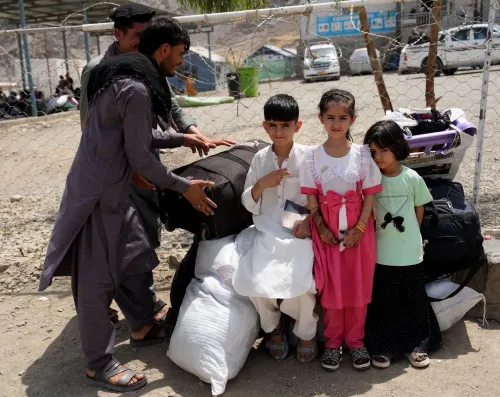
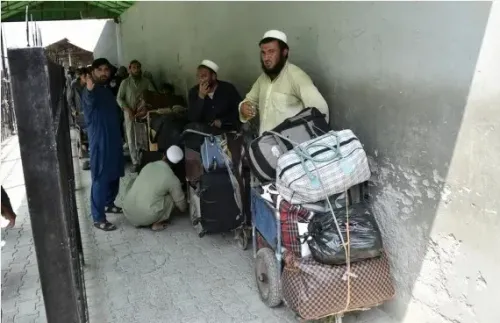
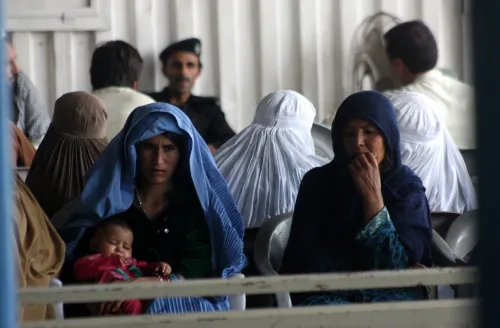
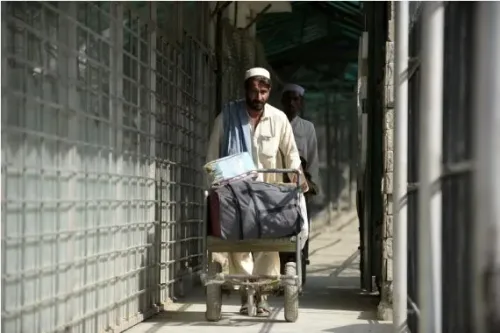
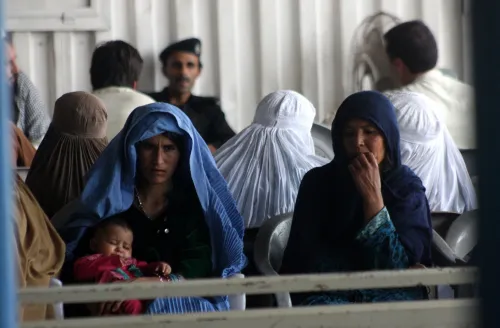
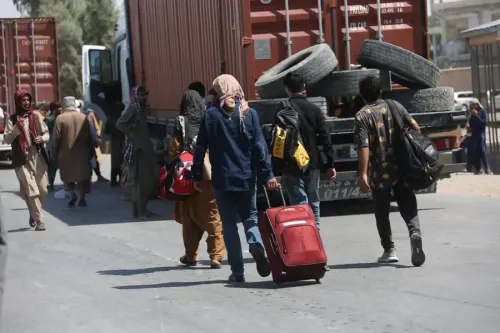
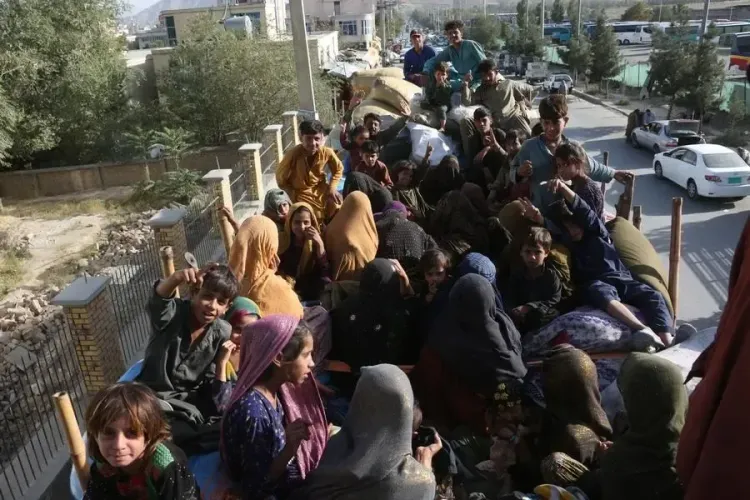
Kabul, April 20 (NationPress) In a remarkable development, a total of 6,148 Afghan refugees made their way back to Afghanistan from neighboring Pakistan in just one day, according to the Afghanistan's High Commission for Addressing Returnees' Problems. This significant movement occurred through the Torkham border crossing in eastern Nangarhar province and the Spin Boldak border crossing in southern Kandahar province, with all returnees receiving the necessary governmental support upon their arrival at these points.
On the same day, an additional 471 Afghan refugees returned from Iran, the commission noted.
Reports indicated that approximately 2.8 million Afghan refugees returned home in 2025, as per Xinhua news agency.
Currently, over 6 million Afghan refugees continue to reside in Pakistan and Iran after years of displacement, prompting both host nations to encourage undocumented Afghans to return.
Earlier, on March 25, 398 Afghan prisoners were released from Pakistani facilities and returned to Afghanistan during the Eid al-Fitr holiday, demonstrating a rise compared to previous returns. The next day, a crucial border crossing between Afghanistan and Pakistan reopened to facilitate the return of Afghan migrants.
On April 18, the United Nations High Commissioner for Refugees (UNHCR) reported that more than 86,000 Afghan migrants had returned from Iran and Pakistan within a month, highlighting a pressing humanitarian concern. This influx presents challenges regarding reintegration, access to essential services, and the limited capacity of host communities to accommodate large numbers of returnees.
This ongoing trend illustrates broader regional migration dynamics, as Afghan nationals return for various reasons, including legal, economic, and protective motivations.
Furthermore, the agency highlighted the necessity of continuous monitoring and enhanced international collaboration to ensure that returning families receive adequate support, allowing for their reintegration into society to be both sustainable and dignified.
Point of View
It's crucial to note the scale of this return reflects ongoing regional migration issues. The challenges of reintegration and the support needed for returning refugees must be addressed by both national and international communities.
NationPress
16 Sept 2026
Frequently Asked Questions
What prompted the return of Afghan refugees from Pakistan?
The return is part of an ongoing trend influenced by legal, economic, and safety factors, with host countries encouraging undocumented Afghans to come back.
How many Afghan refugees returned home recently?
On April 20, 2023, a total of 6,148 Afghan refugees returned from Pakistan to Afghanistan in a single day.
What assistance do returning refugees receive?
Upon arrival, returning refugees receive necessary government assistance to aid their reintegration.
What are the current conditions for Afghan refugees?
Over 6 million Afghan refugees remain in Pakistan and Iran, facing various challenges related to their status and reintegration.
What role does the UNHCR play in supporting Afghan returnees?
The UNHCR monitors the situation and emphasizes the need for international cooperation to ensure adequate assistance for returning families.