CM Fadnavis Inaugurates ACUCON 2026 Acupuncture Conference in Nagpur
Synopsis
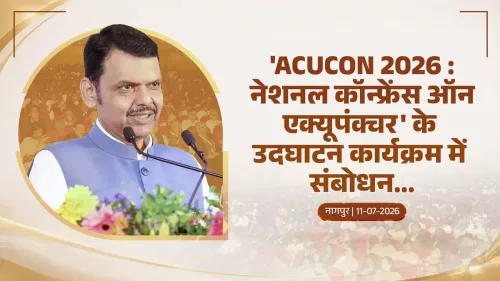
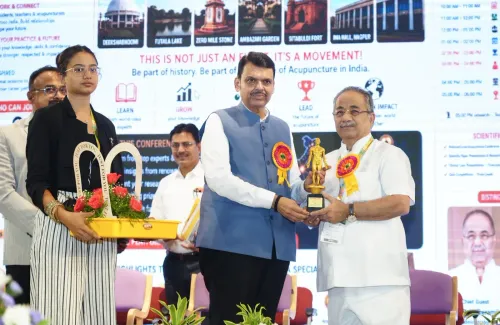
Maharashtra CM Devendra Fadnavis inaugurated ACUCON 2026, a national acupuncture conference in Nagpur on 11 July 2026, stressing that coordinating all medical systems — traditional and modern — delivers the greatest benefit to patients.
Key Takeaways
CM Devendra Fadnavis inaugurated ACUCON 2026 , a national conference on acupuncture, in Nagpur on 11 July 2026 .
He stated that patients benefit most when all systems of medicine work in coordination.
The event aligns with the central government's Ministry of AYUSH , established in November 2014 under PM Narendra Modi to integrate traditional and modern medicine.
Maharashtra has a track record of hosting national-level AYUSH and alternative medicine conferences to mainstream complementary therapies.
Key stakeholders include patients with chronic conditions, AYUSH and acupuncture practitioners, and allopathic doctors.
Possible outcomes include state-level guidelines on integrative medicine clinics and greater formal recognition for acupuncture within Maharashtra's public health system.
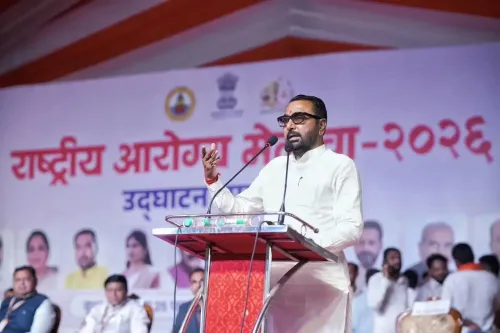
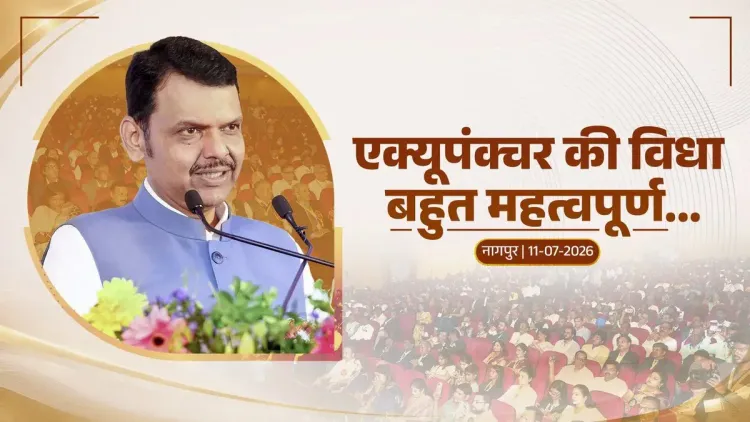
Maharashtra Chief Minister Devendra Fadnavis on Saturday, 11 July 2026, inaugurated ACUCON 2026, a national conference on acupuncture, held in Nagpur, reiterating that patients stand to benefit most when all systems of medicine work in coordination rather than in isolation.
Context
Addressing the gathering, CM Fadnavis stated — in both Marathi and Hindi — that 'सर्व उपचार पद्धतींचा समन्वय साधून उपचार केल्यास रुग्णाला त्याचा लाभ होईल' ('If treatment is provided by coordinating all systems of medicine, the patient will benefit from it'). The remark underscores a growing consensus among policymakers that integrative medicine — combining acupuncture, AYUSH disciplines, and modern allopathy — delivers better patient outcomes than any single approach alone.
The conference, held in Nagpur, brought together practitioners, researchers, and health administrators to discuss acupuncture's role within India's broader healthcare framework. Nagpur has increasingly served as a venue for national-level health and alternative medicine dialogues, reflecting its stature as a major administrative and medical hub in Maharashtra.
Policy Backdrop
The event sits within a well-established policy trajectory. The central government created the Ministry of AYUSH in November 2014 under Prime Minister Narendra Modi to promote research into and integration of Ayurveda, Yoga, Unani, Siddha, Homeopathy, and related traditional systems alongside conventional medicine. Successive national health policy documents have explicitly encouraged complementary systems — including acupuncture — to be mainstreamed within public health delivery.
Maharashtra has aligned with this direction by hosting training programmes and conferences that bring AYUSH practitioners and allopathic doctors to the same table. CM Fadnavis has overseen state health initiatives including expansions in medical education, and his presence at ACUCON 2026 signals continued political support for integrative approaches at the state level.
Stakeholders and Impact
The primary beneficiaries of an integrative medicine push are patients — particularly those managing chronic conditions — who gain access to a wider therapeutic toolkit. AYUSH practitioners and acupuncturists stand to gain formal recognition and referral pathways within the public health system, while allopathic doctors are increasingly encouraged to collaborate rather than compete with complementary practitioners.
For the acupuncture community specifically, a national conference of this scale — convened under the patronage of a sitting Chief Minister and invoked alongside Prime Minister Modi's name — provides institutional visibility that can translate into policy inclusion, curriculum recognition, and research funding.
What's Next
Observers will watch for any state-level guidelines on integrative medicine clinics that Maharashtra may release in the wake of ACUCON 2026, as well as the state's participation in forthcoming national AYUSH or acupuncture policy forums. The momentum generated by such conferences often feeds into formal health-ministry circulars and hospital protocols that determine how complementary therapies are delivered on the ground. If Maharashtra moves to formalise acupuncture within its public health network, it could set a template for other large states to follow.
Point of View
The BJP government reinforces a unified political brand around traditional medicine that has proven popular with a broad electorate. The push for integrative medicine also serves a practical governance goal: expanding the therapeutic workforce available within the public health system without proportionate capital investment. If Maharashtra follows through with formal guidelines, it could accelerate a nationwide pattern of states institutionalising complementary therapies within their health infrastructure.
NationPress
11 Jul 2026
Frequently Asked Questions
What is ACUCON 2026?
ACUCON 2026 is a national conference on acupuncture held in Nagpur on 11 July 2026, focused on the integration of acupuncture with other medical systems to improve patient care.
Why did CM Devendra Fadnavis attend an acupuncture conference?
As Maharashtra Chief Minister, Fadnavis inaugurated ACUCON 2026 to signal state-level support for integrative medicine, aligning with the central government's AYUSH policy of coordinating traditional and modern healthcare systems.
What is the AYUSH ministry and how does it relate to acupuncture?
The Ministry of AYUSH was established in November 2014 under PM Narendra Modi to promote Ayurveda, Yoga, Unani, Siddha, Homeopathy and other traditional systems; acupuncture falls within its broader mandate of integrating complementary therapies into public health.
What did Devendra Fadnavis say at ACUCON 2026?
Fadnavis said that if treatment is provided by coordinating all systems of medicine, patients will benefit from it — a call for collaboration between acupuncture, AYUSH disciplines, and allopathic medicine.
What impact could ACUCON 2026 have on healthcare in Maharashtra?
The conference could lead to state-level guidelines on integrative medicine clinics, greater formal recognition for acupuncture practitioners, and a model that other Indian states may replicate within their public health frameworks.