CM Madhya Pradesh Expands AYUSH Public Health Programmes
Synopsis
The Chief Minister's Office of Madhya Pradesh on 28 May 2026 spotlighted AYUSH Jan Swasthya Karykramas, reinforcing the state's drive to integrate traditional medicine into public healthcare and expand facilities for rural and semi-urban communities under the National AYUSH Mission framework.
Key Takeaways
The Chief Minister's Office of Madhya Pradesh announced expanded AYUSH Jan Swasthya Karykramas on 28 May 2026 .
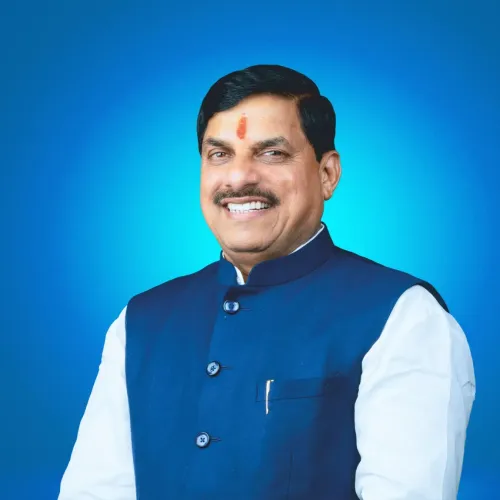
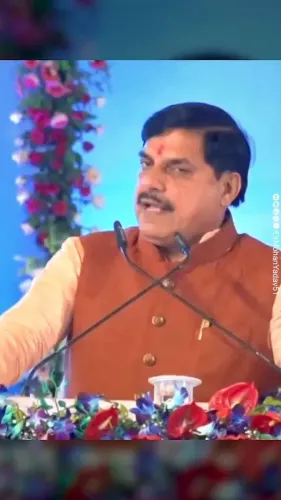
Mohan Yadav , in office since December 2023 , is the face of the state's AYUSH health push.
The initiative falls under the National AYUSH Mission , a centrally sponsored scheme launched in 2014 .
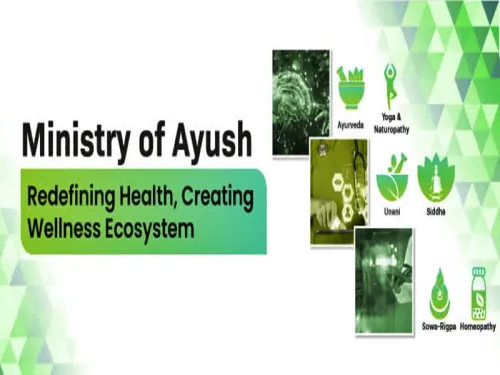
AYUSH covers five systems: Ayurveda, Yoga, Unani, Siddha, and Homeopathy, integrated into public health centres across the state.
Rural and semi-urban communities in Madhya Pradesh are the primary beneficiaries, with the goal of reducing out-of-pocket healthcare costs.
District-level rollout metrics and state health budget provisions will be key indicators of programme progress.
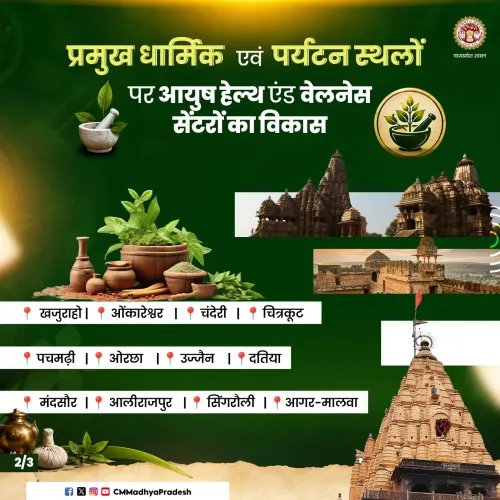
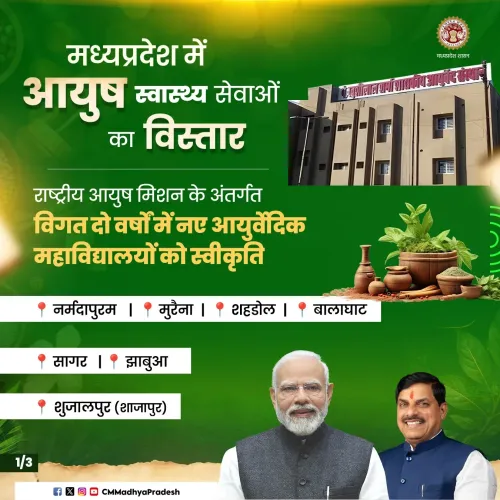
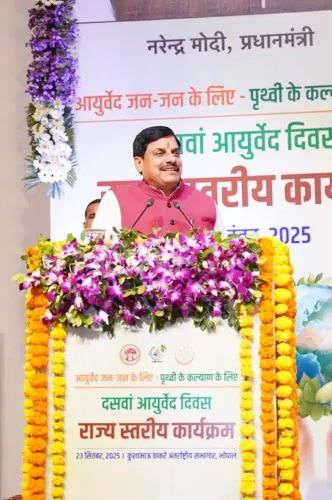
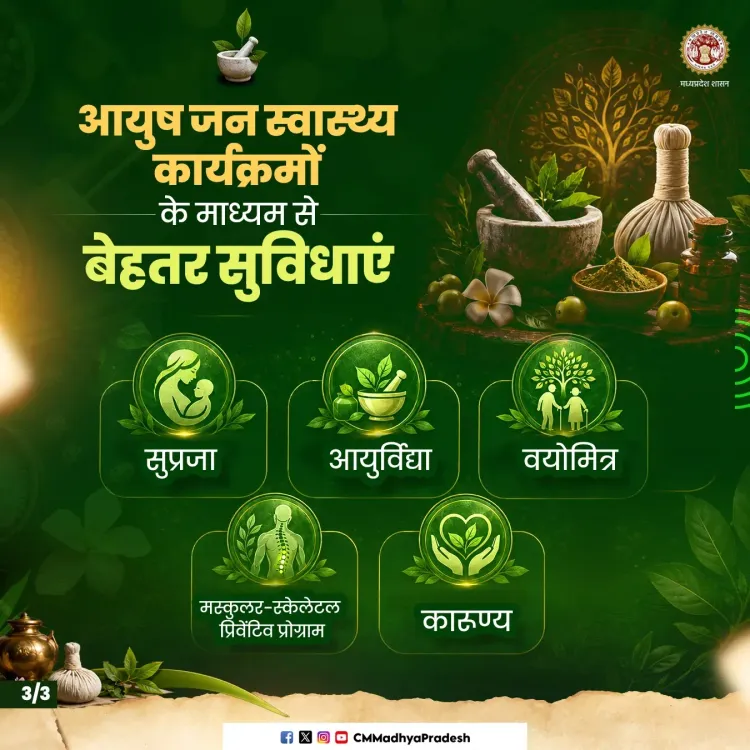
The Chief Minister's Office of Madhya Pradesh on Thursday, 28 May 2026, highlighted the expansion of AYUSH Jan Swasthya Karykramas (AYUSH Public Health Programmes), signalling the state government's continued push to deliver better healthcare facilities through traditional medicine systems.
Context
The post, shared by the Chief Minister's Office of Madhya Pradesh and tagging Chief Minister Dr. Mohan Yadav, underlines the state's commitment to strengthening AYUSH-based public health delivery. The Hindi phrase 'बेहतर सुविधाएं' (better facilities) frames the announcement as a service-improvement drive for ordinary citizens. AYUSH encompasses Ayurveda, Yoga, Unani, Siddha, and Homeopathy — the five traditional and alternative medicine systems recognised by the Government of India.
Policy Backdrop
The push sits within the framework of the National AYUSH Mission, a centrally sponsored scheme launched in 2014 to mainstream traditional medicine into public health infrastructure across states. Madhya Pradesh has, over the past decade, worked to integrate AYUSH services into primary health centres and community wellness programmes, in line with the central government's emphasis on preventive, cost-effective healthcare. The state's large rural population makes AYUSH integration particularly significant, as traditional medicine practitioners often serve as first points of contact in remote areas where allopathic facilities remain limited.
The AYUSH Madhya Pradesh department oversees this integration, coordinating with the Union Ministry of AYUSH to channel resources and trained practitioners to district- and block-level health facilities. The state has periodically announced wellness camps, Jan Arogya Melas, and outreach drives under this umbrella.
Stakeholders and Impact
The primary beneficiaries of expanded AYUSH Jan Swasthya Karykramas are rural and semi-urban communities across Madhya Pradesh, particularly those with limited access to secondary or tertiary allopathic care. By embedding AYUSH practitioners and medicines within public health delivery, the state aims to reduce out-of-pocket expenditure for low-income households. Preventive care — yoga sessions, dietary counselling, and herbal formulations — is a core component, targeting chronic lifestyle diseases that have risen sharply in rural India.
CM Dr. Mohan Yadav, who has been in office since December 2023, has positioned AYUSH integration as part of a broader health equity agenda, seeking to complement rather than replace the state's allopathic infrastructure.
What's Next
Observers will watch for district-level rollout metrics — including the number of new AYUSH health and wellness centres operationalised, patient footfall data, and any supplementary budget provisions in upcoming state health allocations. The state government's follow-through on programme expansion will be tested in the coming quarters as it seeks to translate policy announcements into measurable improvements in public health access across Madhya Pradesh's 55 districts.
Point of View
AYUSH integration serves a dual purpose: it aligns with the central government's post-2014 ideological emphasis on indigenous knowledge systems, while also addressing the very real healthcare access gaps in one of India's most populous states. The announcement, however, will need to be backed by verifiable district-level data on facility expansion and patient outcomes to move beyond optics. The real test lies in whether AYUSH services are adequately staffed, stocked, and monitored at the last mile.
NationPress
11 Oct 2026
Frequently Asked Questions
What are AYUSH Jan Swasthya Karykramas in Madhya Pradesh?
AYUSH Jan Swasthya Karykramas are public health programmes run by the Madhya Pradesh government that deliver healthcare services through traditional medicine systems — Ayurveda, Yoga, Unani, Siddha, and Homeopathy — to communities, particularly in rural and semi-urban areas.
What is the National AYUSH Mission?
The National AYUSH Mission is a centrally sponsored scheme launched in 2014 by the Government of India to strengthen AYUSH infrastructure, services, and education across states, including Madhya Pradesh.
Who is the Chief Minister of Madhya Pradesh in 2026?
Dr. Mohan Yadav is the Chief Minister of Madhya Pradesh, having assumed office in December 2023.
How does AYUSH integration benefit rural communities in Madhya Pradesh?
By embedding AYUSH practitioners and medicines in primary health centres, the state aims to improve healthcare access for rural populations, reduce out-of-pocket expenses, and promote preventive care through yoga, dietary counselling, and herbal formulations.
What should I watch for regarding AYUSH programme expansion in MP?
Key indicators include the number of new AYUSH health and wellness centres operationalised at the district level, patient footfall data, and any new budget allocations for AYUSH in upcoming Madhya Pradesh state health budgets.