Kerala CM Satheesan rebuts Vijayan on power purchase, cites KSEB records
Synopsis
Kerala CM Satheesan has gone point-by-point against Vijayan's power purchase allegations, producing KSEB's own internal notes to challenge the claimed ₹12.50 Himachal tariff and arguing that GNA would deliver 385 million units more during peak hours. With six DEEP portal tenders having already failed, the row is as much about Kerala's looming winter energy crunch as it is about political credibility.
Key Takeaways
Satheesan on 6 November 2026 rejected Leader of Opposition Pinarayi Vijayan's allegations over the state's power purchase decisions.
Satheesan cited a 29 October KSEB Chairman's note stating the ₹12.50 per unit Himachal Pradesh tariff was never confirmed in writing.
Documents showed Rajasthan had already locked in Himachal power at ₹15.50 per unit — above Kerala's regulatory ceiling of ₹10 per unit .
GNA would supply 385 million units more than Himachal during non-solar hours and 500 MW during the 6.30 pm–10.30 pm peak window.
Six competitive tenders on the Union Power Ministry's DEEP portal failed to secure required power; Kerala faced cuts in September and bought power from other states in October .
Satheesan noted the previous LDF government scrapped a ₹4.29 per unit, 25-year UDF-era deal and later bought power from private agencies at ₹8–₹14 per unit .
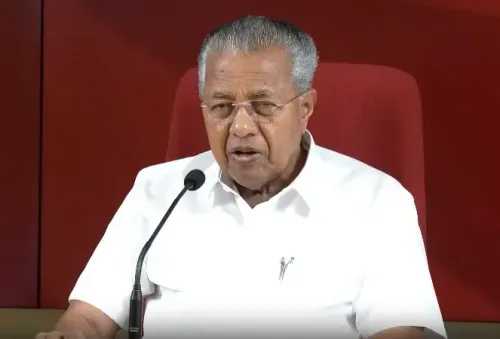
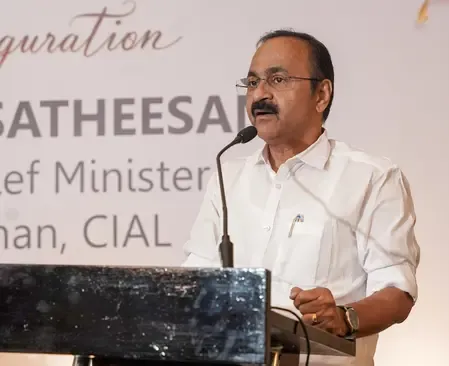
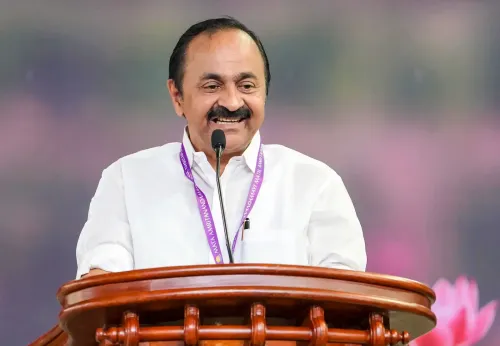
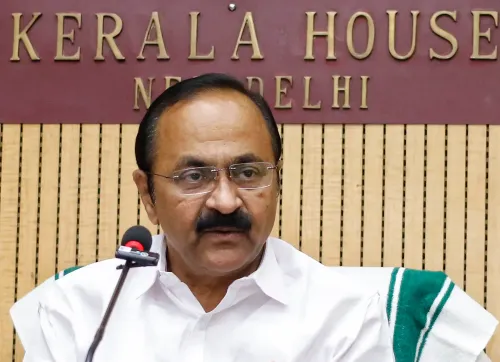
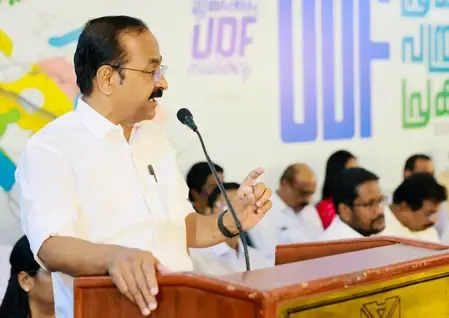
Kerala Chief Minister V.D. Satheesan on Friday, 6 November 2026, strongly rejected allegations by Leader of the Opposition Pinarayi Vijayan over the state's recent power purchase decisions, asserting that his intervention was grounded in official records and the imperative to ensure uninterrupted electricity supply to Kerala.
Key Dispute: The Himachal Pradesh Tariff Claim
At the heart of the controversy is Vijayan's claim that the Himachal Pradesh power offer was reduced from ₹14.50 to ₹12.50 per unit. Satheesan flatly called this factually incorrect, pointing to a note dated 29 October by the former Kerala State Electricity Board (KSEB) Chairman, which clearly stated that the ₹12.50 tariff could not be treated as confirmed unless expressly accepted in writing by a competent Himachal Pradesh authority.
'Where did the Leader of the Opposition obtain a proposal which even KSEB says it has not received? He should disclose it,' Satheesan said.
He further noted that documents available with KSEB and the Rajasthan Electricity Regulatory Commission showed that Rajasthan had already approved a power purchase agreement with Himachal Pradesh on 17 October at ₹15.50 per unit — above Kerala's regulatory ceiling of ₹10 per unit — which would have imposed an additional financial burden on the state.
Why Kerala Chose GNA Over Himachal
Satheesan said the government compared the Himachal Pradesh proposal with an offer from GNA before arriving at a decision, with the assessment focused on availability during non-solar and peak hours — the period when Kerala's power demand is highest.
According to the KSEB Chairman's note, GNA would supply 385 million units more than the Himachal arrangement during non-solar hours. Himachal Pradesh's average supply during the critical evening peak window of 6.30 pm to 10.30 pm between December and March would also be considerably lower than the 500 MW offered by GNA. Daytime supply from GNA, Satheesan added, would also allow Kerala to conserve hydel power for the summer months.
Rebuttal on Alleged Power Shortage and Procedure
Responding to allegations that the state had artificially engineered a power shortage, Satheesan cited warnings from the former KSEB Chairman that deficient rainfall, limited hydel availability, and El Niño conditions could force prolonged power cuts — including during summer — without a firm supply agreement. He noted that six competitive tenders floated through the Union Power Ministry's DEEP portal had failed to secure the required power, and that Kerala had already faced power cuts in September and was forced to purchase electricity from other states and public sector agencies in October to avert further disruptions.
On allegations of bypassing the Electricity Minister, Satheesan said the file had been sent to him by the minister for a decision, and that he had examined the financial implications before taking a call. He denied any improper interference in official files.
Counter-Attack: LDF's Own Power Purchase Record
Satheesan went on the offensive, recalling that the previous Left Democratic Front (LDF) government under Vijayan had scrapped a 25-year power purchase agreement — struck during the United Democratic Front (UDF) era at ₹4.29 per unit — after just eight years, and subsequently bought power from private agencies at rates ranging from ₹8 to ₹14 per unit.
'No decision that imposes an additional financial burden on the people will be taken by this government,' he said. The escalating exchange signals an intensifying political battle over Kerala's energy policy, with both sides likely to press their cases as the state heads into its peak-demand winter season.
Point of View
Forcing last-minute purchases at elevated spot rates. Satheesan's detailed document-trail rebuttal is politically effective, but it also inadvertently confirms that the state was scrambling — six consecutive DEEP portal tenders had already failed before the GNA deal was struck. Vijayan's critique may be partisan, but the underlying question of why Kerala repeatedly arrives at the same procurement crisis deserves a more systemic answer than a comparison of tariff notes. The LDF's own record of scrapping a ₹4.29 deal and buying at up to ₹14 suggests this is a structural deficit that neither side has resolved.
NationPress
6 Nov 2026
Frequently Asked Questions
What is the Kerala power purchase controversy between Satheesan and Vijayan?
The dispute centres on Kerala Chief Minister V.D. Satheesan's decision to purchase power from GNA rather than from Himachal Pradesh, which Leader of Opposition Pinarayi Vijayan has alleged was irregular. Satheesan maintains the choice was based on KSEB's own assessment that GNA would supply significantly more power during peak demand hours at a rate within the regulatory ceiling.
Was the Himachal Pradesh power offer really reduced to ₹12.50 per unit?
Satheesan says no, citing a 29 October note by the former KSEB Chairman stating the ₹12.50 tariff could not be treated as confirmed unless accepted in writing by a competent Himachal Pradesh authority. He also pointed to a Rajasthan Electricity Regulatory Commission document showing Rajasthan had approved a Himachal power deal at ₹15.50 per unit on 17 October.
Why did Kerala choose GNA over Himachal Pradesh for power purchase?
According to Satheesan, GNA would supply 385 million units more than Himachal during non-solar hours and 500 MW during the critical 6.30 pm–10.30 pm peak window between December and March. GNA's daytime supply would also allow Kerala to conserve hydel reserves for summer, when demand is high and hydel availability is typically low.
Did Kerala have a genuine power shortage, or was it engineered?
Satheesan denied any artificial creation of a shortage, citing the former KSEB Chairman's warnings about deficient rainfall, limited hydel availability, and El Niño conditions. Six consecutive tenders on the Union Power Ministry's DEEP portal had failed to secure required power, and the state had already faced cuts in September and was forced to buy from other states in October.
What was the LDF government's own power purchase record under Vijayan?
Satheesan recalled that the previous LDF government scrapped a 25-year UDF-era power purchase agreement fixed at ₹4.29 per unit after just eight years, and subsequently purchased power from private agencies at rates ranging from ₹8 to ₹14 per unit — a point he raised to counter Vijayan's criticism of the current administration's decision.