CM Bhupendra Patel marks Janjatiya Gaurav Diwas with tribal welfare pledge
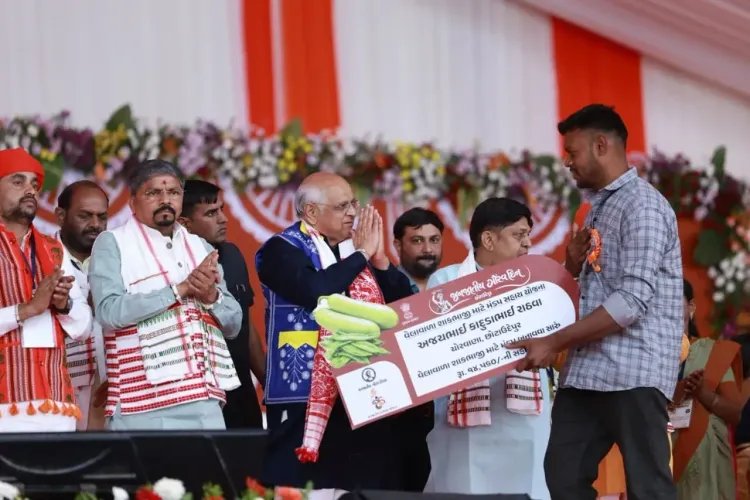
Synopsis
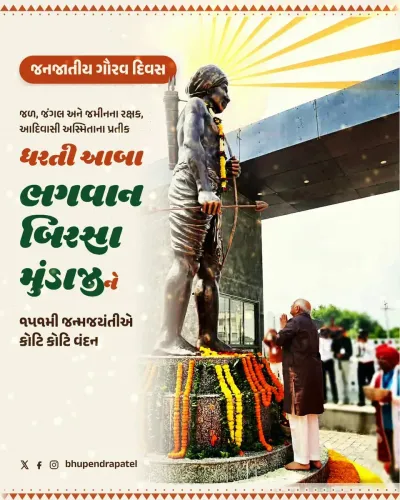
On Janjatiya Gaurav Diwas, Gujarat CM Bhupendra Patel honoured Bhagwan Birsa Munda's legacy and pledged to deliver education, health, housing, water and employment to the furthest tribal villages, calling Adivasi youth key partners in building Viksit Bharat 2047.
Key Takeaways
Gujarat CM Bhupendra Patel celebrated Janjatiya Gaurav Diwas on 15 November 2026 , coinciding with Bhagwan Birsa Munda's birth anniversary.
The Gujarat government pledged to extend education, health, housing, drinking water, and employment to the last village in tribal areas.
Adivasi youth were called on to become active participants in Viksit Bharat @ 2047 , India's developed-nation centenary goal.
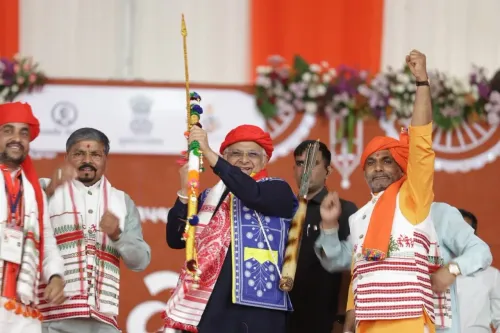
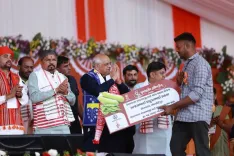
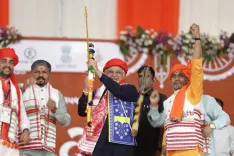
Patel received a traditional bow-and-arrow welcome from tribal communities and acknowledged the cultural gesture publicly.
Janjatiya Gaurav Diwas was formally instituted by the Government of India in 2021 to honour tribal heritage and freedom fighters.
The occasion reinforces Gujarat's dual push: welfare delivery in scheduled areas alongside recognition of tribal culture, art, and tradition .
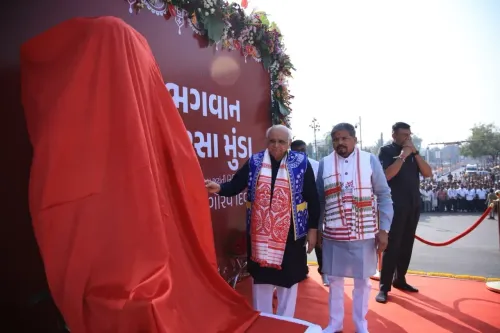
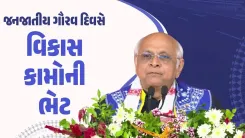
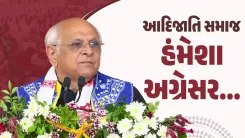
Arrows and bows raised in a traditional welcome — and a promise to match that warmth with schools, hospitals, and running water in Gujarat's remotest tribal hamlets. On Janjatiya Gaurav Diwas, 15 November 2026, Gujarat Chief Minister Bhupendra Patel joined tribal communities across the state to mark the birth anniversary of Bhagwan Birsa Munda, pledging that the Gujarat government remains committed to delivering education, health, housing, water, and livelihood opportunities to the last village in every Adivasi belt.
Birsa Munda's legacy as a governing compass
Bhagwan Birsa Munda — the 19th-century tribal leader from present-day Jharkhand — led the Ulgulan (great tumult) movement, a defiant stand against British land encroachment and for tribal self-determination. His birth anniversary was instituted as Janjatiya Gaurav Diwas by the Government of India in 2021 to give formal national recognition to tribal heritage and freedom fighters. For BJP-led state governments, the occasion has become a dual-purpose platform: cultural commemoration and a public accounting of welfare delivery in scheduled areas.
Patel, posting in Gujarati, translated his message plainly: 'ભગવાન બિરસા મુંડાજીના આદર્શોને અનુસરીને' — 'following the ideals of Bhagwan Birsa Munda' — the Gujarat government would push basic services to the furthest corners of Adivasi territory. The warmth of the day was personal too. He thanked tribal brothers and sisters for the 'આત્મીય સ્વાગત' — 'heartfelt welcome' — and the affection showered on him, specifically calling out the traditional bow-and-arrow guard of honour.
Adivasi youth as architects of Viksit Bharat 2047
The Chief Minister wove tribal ambition into India's larger development horizon. His call that Adivasi youth become 'active partners in building Viksit Bharat @ 2047' — the Government of India's stated goal of developed-nation status by independence's centenary — casts tribal communities not as beneficiaries alone but as contributors to national growth. That framing matters politically: it repositions welfare spending as an investment in Gujarat's human capital rather than charity.
Gujarat's tribal belt — concentrated in eastern and central districts along the Narmada corridor and the Dangs — has been the focus of state schemes aligned with central programmes on housing, drinking water, and skilling. The Chief Minister's pledge on 15 November signals that those programmes remain a live priority, with any fresh budget allocations in upcoming state spending rounds worth watching closely.
Culture, art, and pride as policy, not just pageant
Beyond infrastructure, Patel's post carried a cultural commitment: that tribal art, tradition, and identity receive greater visibility and honour. This softer dimension — amplifying Adivasi sanskriti (tribal culture) — reflects a broader BJP national strategy of pairing development narratives with identity affirmation, aiming to consolidate support in India's scheduled tribe constituencies ahead of future electoral cycles. Gujarat has a substantial tribal voter base, and days like this double as grassroots outreach at scale.
The bow-and-arrow welcome Patel described is more than ceremony. It is a living symbol of the Ulgulan's resistance — and the CM's decision to highlight it publicly underlines the government's intent to treat tribal culture as something to be celebrated, not merely administered.
Point of View
Blending cultural affirmation with welfare commitments in front of a large scheduled-tribe electorate. CM Patel's framing — placing Adivasi youth at the centre of Viksit Bharat 2047 — aligns state governance language precisely with New Delhi's centenary development narrative, reinforcing vertical coordination between Gujarat and the central government. The traditional bow-and-arrow welcome elevated to a public statement signals an intent to treat tribal identity as political equity, not just administrative category. Whether the pledges on water, housing, and jobs translate into measurable delivery in Gujarat's tribal talukas will be the real test of that commitment.
NationPress
15 Nov 2026
Frequently Asked Questions
What is Janjatiya Gaurav Diwas and why is it celebrated on 15 November?
Janjatiya Gaurav Diwas is a national observance held every year on 15 November to mark the birth anniversary of Bhagwan Birsa Munda, the 19th-century tribal leader who led the Ulgulan movement against British rule. The Government of India formally instituted the day in 2021 to honour tribal heritage and freedom fighters across the country.
Who was Bhagwan Birsa Munda?
Bhagwan Birsa Munda was a tribal leader from present-day Jharkhand who, in the late 19th century, led the Ulgulan — meaning 'great tumult' — a movement fighting British land encroachment and asserting tribal autonomy and rights. He is revered as a symbol of Adivasi resistance and pride.
What did Gujarat CM Bhupendra Patel promise on Janjatiya Gaurav Diwas 2026?
CM Bhupendra Patel pledged that the Gujarat government would deliver education, health services, housing, drinking water, and employment opportunities to the remotest tribal villages, following the ideals of Bhagwan Birsa Munda. He also called on Adivasi youth to become active partners in building Viksit Bharat @ 2047.
What is Viksit Bharat 2047?
Viksit Bharat @ 2047 is the Government of India's stated goal of achieving developed-nation status by 2047, the centenary of India's independence. State governments, including Gujarat, have aligned their welfare and development programmes with this national vision.
Which areas of Gujarat are considered tribal or Adivasi belts?
Gujarat's tribal communities are concentrated primarily in the eastern and central districts, including areas along the Narmada corridor and the Dangs region. These scheduled areas have been the focus of state welfare programmes on housing, water, education, and skilling aligned with central government schemes.