CM Bhupendra Patel honours tribal legacy on Janjatiya Gaurav Diwas
Synopsis
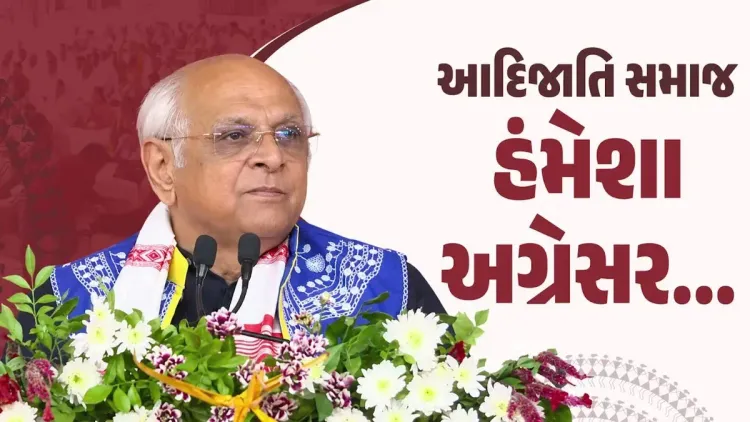
Gujarat CM Bhupendra Patel marked Janjatiya Gaurav Diwas on 15 November by honouring the Adivasi community's role in India's independence struggle, citing their coexistence with nature, collective living, and spirit of sacrifice as defining national strengths.
Key Takeaways
Janjatiya Gaurav Diwas falls on 15 November every year, marking the birth anniversary of tribal freedom fighter Birsa Munda .
The Government of India declared the observance in 2021 to formally recognise tribal contributions to the independence movement.
Gujarat CM Bhupendra Patel described the Adivasi community's identity as rooted in coexistence with nature, collective living, and sacrifice for the motherland.
Gujarat has a significant tribal population across districts including Dang, Narmada, Tapi, and Chhota Udaipur .
The post is part of an annual pattern of BJP state governments using Janjatiya Gaurav Diwas for cultural outreach to Scheduled Tribe communities.
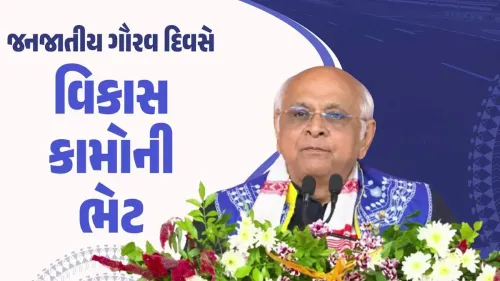
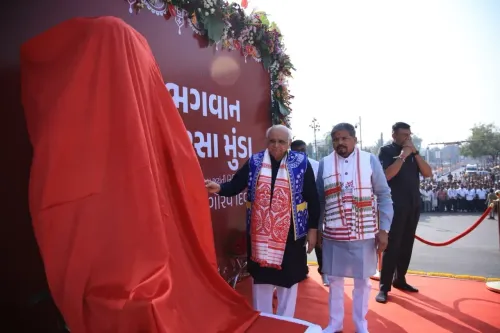
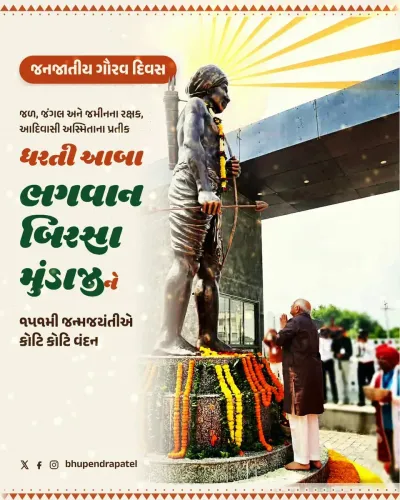
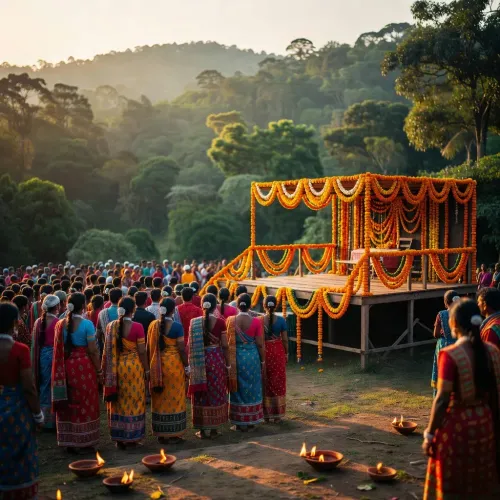
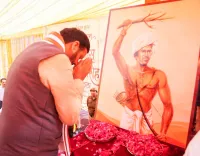
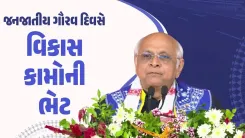
On a day that belongs to India's forests, hills, and the communities who have held both sacred for centuries, Gujarat Chief Minister Bhupendra Patel paid tribute to the tribal society on Janjatiya Gaurav Diwas, 15 November 2026 — marking the birth anniversary of freedom fighter Birsa Munda with a message rooted in sacrifice, identity, and coexistence.
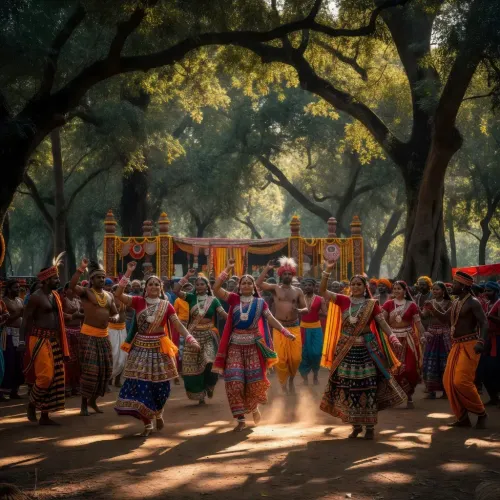
Writing in Gujarati, CM Patel said that India's identity lies in 'unity in diversity' and that the tribal community's contribution to enriching that diversity is 'invaluable.' He described the hallmarks of Adivasi society as coexistence with nature, collective living, fidelity to traditions, and an unwavering spirit of sacrifice for the motherland — qualities, he said, that have always placed the tribal community at the vanguard whenever the nation's honour, self-respect, or self-rule was at stake.
Birsa Munda's legacy and the making of a national observance
Birsa Munda, born on 15 November 1875 in present-day Jharkhand, led the Ulgulan — the Great Tumult — a fierce rebellion against British land policies that displaced tribal communities across the Chota Nagpur plateau. He died in British custody in 1900, aged just 25, and has since been venerated as Dharti Aaba, father of the earth, across tribal belts from Jharkhand to Gujarat.
In 2021, the Government of India formally declared 15 November as Janjatiya Gaurav Divas to institutionalise recognition of tribal freedom fighters and their role in India's independence movement. The annual observance has since become a focal point for both central and state governments to announce welfare measures and cultural programmes for Scheduled Tribe communities.
Gujarat's tribal belt and the politics of recognition
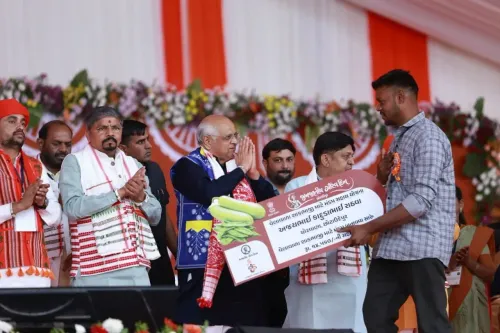
Gujarat is home to a substantial Adivasi population concentrated in districts such as Dang, Narmada, Tapi, and Chhota Udaipur — regions that carry their own histories of tribal resistance and land stewardship. CM Patel's post, hashtagged #JanjatiyaGauravDiwas, is part of a broader pattern of BJP-led state governments using the occasion to deepen symbolic and political engagement with tribal voters through cultural recognition alongside targeted welfare outreach.
The message is consistent with what has become an annual ritual of tribute from chief ministers across the country — but it carries local weight in Gujarat, where the tribal vote has been a contested and carefully courted constituency across successive election cycles.
Birsa Munda fought for a land where his people could live on their own terms. A century and a quarter later, the question of how well those terms are being met is answered not just in speeches, but in the policies that follow them.
Point of View
Designed to consolidate gains in constituencies where the tribal vote is pivotal. Gujarat's own tribal belt, covering mineral-rich and forest-heavy districts, makes the outreach locally strategic, not merely rhetorical. The real measure of the gesture will come in whether welfare commitments announced around this date translate into measurable outcomes for tribal households.
NationPress
15 Nov 2026
Frequently Asked Questions
What is Janjatiya Gaurav Diwas and why is it celebrated on 15 November?
Janjatiya Gaurav Diwas is a national observance held every year on 15 November to honour tribal freedom fighters and their contributions to India's independence. The date marks the birth anniversary of Birsa Munda , the 19th-century tribal leader who led the Ulgulan rebellion against British colonial rule. The Government of India officially declared the day in 2021 .
Who was Birsa Munda?
Birsa Munda was a tribal freedom fighter born on 15 November 1875 in present-day Jharkhand. He led the 'Ulgulan' — the Great Tumult — a revolt against British land policies that displaced tribal communities across the Chota Nagpur plateau. Revered as Dharti Aaba (father of the earth), he died in British custody in 1900 at the age of 25.
What did Gujarat CM Bhupendra Patel say on Janjatiya Gaurav Diwas 2026?
CM Bhupendra Patel said India's identity lies in 'unity in diversity' and described the tribal community's contribution to that diversity as invaluable. He highlighted coexistence with nature, collective living, fidelity to traditions, and the spirit of sacrifice as the defining characteristics of Adivasi society, and noted that tribal communities have always led whenever national honour or self-rule was at stake.
Which tribal districts does Gujarat have?
Gujarat's main tribal-dominated districts include Dang, Narmada, Tapi, and Chhota Udaipur , which are home to significant Scheduled Tribe populations with deep histories of land stewardship and cultural heritage.
When was Janjatiya Gaurav Diwas first declared?
The Government of India declared 15 November as Janjatiya Gaurav Diwas in 2021 , institutionalising annual recognition of tribal freedom fighters and their role in the independence movement.