CM Dhami Hails Pilgrim Satisfaction as Chardham Yatra 2026 Rolls On
Synopsis
Uttarakhand Chief Minister Pushkar Singh Dhami said pilgrim contentment is the biggest measure of his government's success in running Chardham Yatra 2026, citing positive feedback on state arrangements and reiterating a commitment to safe, smooth and memorable journeys to Badrinath, Kedarnath, Gangotri and Yamunotri.
Key Takeaways
CM Pushkar Singh Dhami posted on X on 3 June 2026 praising pilgrim feedback during Chardham Yatra 2026.
Dhami said pilgrims are returning home with 'divine and pleasant experiences' of the yatra.
The post emphasised safe, smooth and memorable journeys for every devotee visiting Devbhoomi.
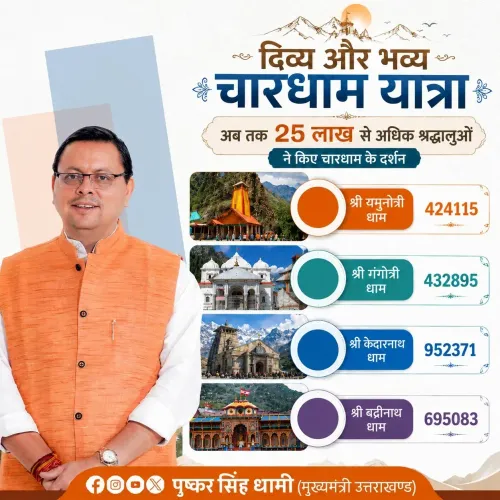
The Chardham Yatra covers Badrinath, Kedarnath, Gangotri and Yamunotri shrines in Uttarakhand.
The Char Dham all-weather road project was approved by the Union Cabinet in 2016 to improve shrine connectivity.
Post-2013 Kedarnath disaster, state governments have strengthened pilgrim registration and rescue protocols.
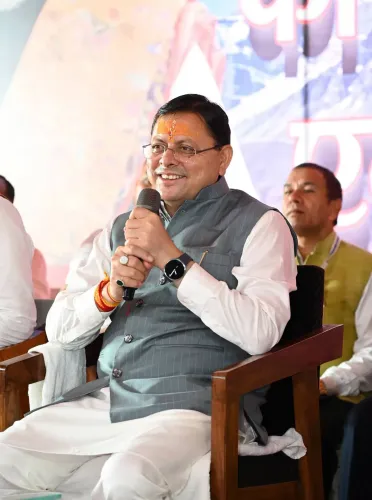
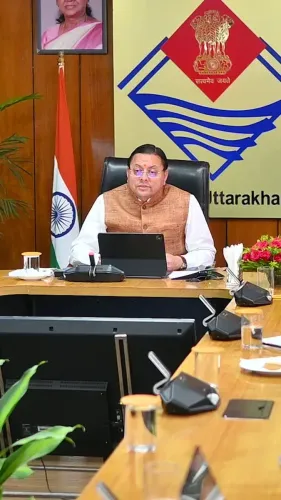
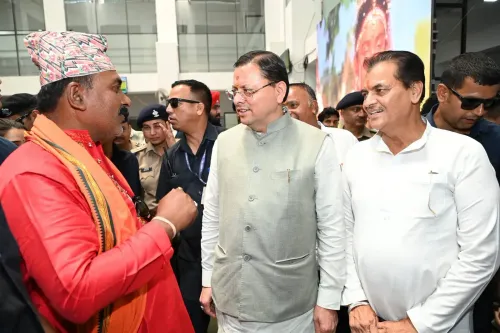
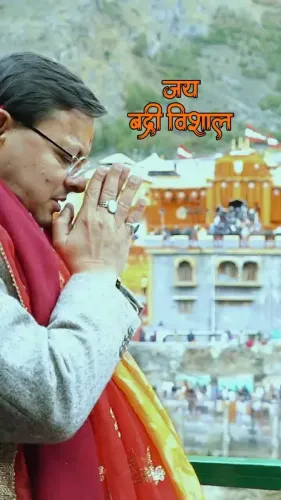
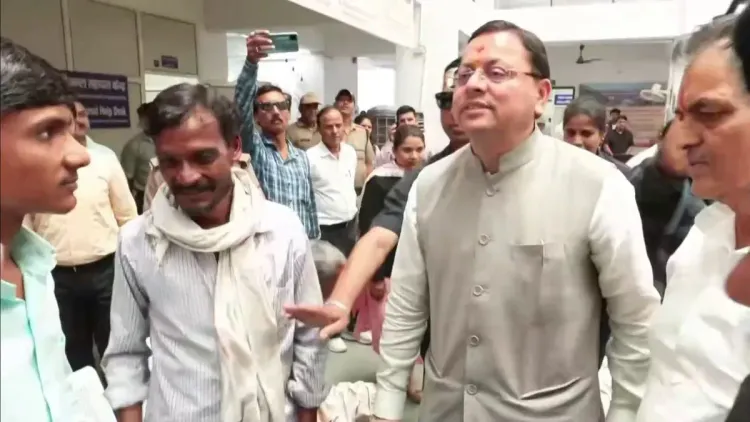
Uttarakhand Chief Minister Pushkar Singh Dhami on 3 June 2026 said the satisfaction visible on the faces of pilgrims is the biggest measure of his government's success in managing the ongoing Chardham Yatra 2026. In a post on X tagged #ChardhamYatra2026, the Bharatiya Janata Party (BJP) leader said the state administration's continuing effort is to make every pilgrim's journey to Devbhoomi safe, smooth and memorable.
Translating the Hindi post, Dhami wrote that 'shraddhalu'on ke chehre par santosh aur prasannata ka bhaav hi hamare prayason ki sabse badi safalta hai' ('the expression of contentment and joy on the faces of devotees is the greatest success of our efforts'). He added that it was a matter of great pleasure that pilgrims were appreciating the arrangements made by the state government and were returning home carrying 'divine and pleasant experiences' of the yatra.
Context
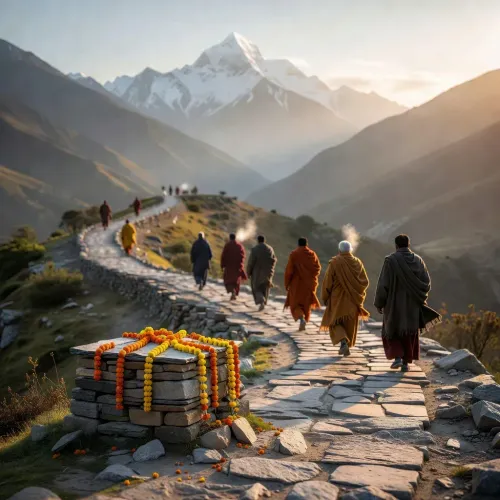
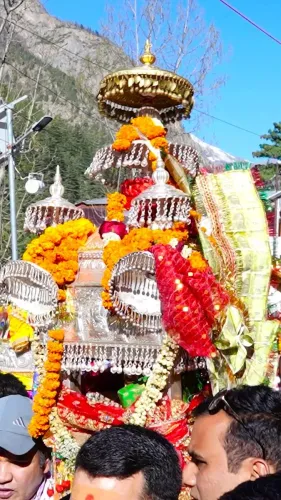
The Chardham Yatra is the annual Hindu pilgrimage to the four high-altitude shrines of Badrinath, Kedarnath, Gangotri and Yamunotri, which open each summer and draw devotees from across India and abroad. Uttarakhand, officially branded Devbhoomi or 'land of the gods', treats the yatra as both a religious obligation and an economic mainstay for its hill districts.
Dhami's message comes mid-season, when state authorities typically take stock of crowd flow, weather disruptions and the condition of routes leading to the shrines. The Chief Minister's framing focuses on visitor experience rather than numbers, signalling that his administration wants the 2026 edition to be remembered for service quality.
Policy backdrop
The yatra's logistics rest on more than a decade of policy work. The Char Dham all-weather road project, approved by the Union Cabinet in 2016, was designed to provide reliable connectivity to the four shrines and reduce the seasonal isolation of pilgrim routes.
Successive Uttarakhand governments have also tightened pilgrim registration, rescue protocols and route-safety arrangements in the years since the 2013 Kedarnath disaster, which exposed gaps in disaster preparedness on high-altitude routes. The Dhami administration has continued that trajectory, combining infrastructure upgrades with crowd and disaster-management systems.
Stakeholders and impact
Pilgrims are the most visible stakeholders, but the yatra's smooth conduct also matters to a wide ecosystem of hoteliers, transport operators, pony and palanquin workers, priests and small traders in towns such as Rishikesh, Haridwar, Rudraprayag and Uttarkashi. For many hill communities, the yatra season accounts for a substantial share of annual income.
By publicly emphasising pilgrim feedback, Dhami is also addressing a political constituency that extends beyond Uttarakhand: devotees from Uttar Pradesh, Madhya Pradesh, Gujarat, Maharashtra and southern states form a significant share of yatris each year, and word-of-mouth from returning pilgrims tends to shape demand for the following season.
What's next
Attention will now turn to how the rest of the 2026 yatra unfolds, particularly during peak weeks and through the monsoon, when landslides and weather closures historically test route management. Official reviews of yatra logistics, tenders for new facilities and discussions on tourism budget allocations in the state assembly are the next markers to watch.
For the Dhami government, the political message is that religious tourism remains a flagship governance arc, and that pilgrim satisfaction is being positioned as the headline metric of its stewardship of Devbhoomi.
Point of View
He is shifting the conversation from raw numbers to service quality, a metric harder to challenge politically. It fits a broader pattern in which the BJP-led state has tied its governance brand to the smooth conduct of the Chardham Yatra and to Uttarakhand's Devbhoomi identity. The framing also dovetails with the Centre's push on religious tourism infrastructure across Himalayan states. The real test, as always, will come during peak weeks and the monsoon, when the gap between rhetoric and route management gets visible quickly.
NationPress
18 Oct 2026
Frequently Asked Questions
What did CM Pushkar Singh Dhami say about Chardham Yatra 2026?
Dhami said the satisfaction and happiness on pilgrims' faces is the biggest success of his government's efforts, and that devotees are appreciating the arrangements made for Chardham Yatra 2026.
Which shrines are part of the Chardham Yatra in Uttarakhand?
The Chardham Yatra covers four Himalayan shrines in Uttarakhand: Badrinath, Kedarnath, Gangotri and Yamunotri, visited each summer by lakhs of devotees.
When was the Char Dham all-weather road project approved?
The Char Dham all-weather road project was approved by the Union Cabinet in 2016 to provide reliable, year-round connectivity to the four shrines.
Why is Uttarakhand called Devbhoomi?
Uttarakhand is officially promoted as Devbhoomi, or 'land of the gods', because it hosts a dense cluster of Hindu pilgrimage sites including the Chardham shrines and the origin points of the Ganga and Yamuna rivers.
How has Uttarakhand strengthened pilgrim safety after the 2013 Kedarnath disaster?
Since the 2013 Kedarnath disaster, successive Uttarakhand governments have progressively strengthened pilgrim registration systems, rescue protocols and route-safety measures along the Chardham routes.