CM Dhami Says Pilgrims Satisfied With Char Dham Yatra Setup
Synopsis
Uttarakhand Chief Minister Pushkar Singh Dhami said devotees have expressed satisfaction with arrangements for the Char Dham Yatra, asserting the state is working to ensure a safe, smooth and pleasant pilgrimage. MLA Prem Aggarwal accompanied him during the review, which comes amid the peak summer yatra season to Yamunotri, Gangotri, Kedarnath and Badrinath.
Key Takeaways
CM Pushkar Singh Dhami said Char Dham pilgrims have expressed satisfaction with state arrangements.
He pledged continued work to ensure a safe, smooth and pleasant yatra experience.
MLA Prem Aggarwal was present during the on-ground review.
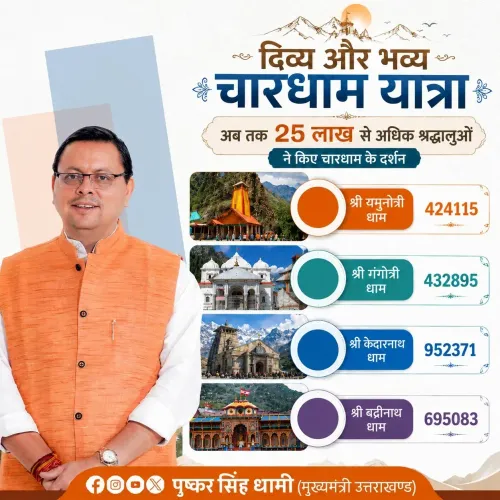
The Char Dham Yatra covers Yamunotri, Gangotri, Kedarnath and Badrinath in the Garhwal Himalayas.
Pilgrim safety protocols were tightened after the 2013 Kedarnath disaster, with mandatory registration from 2014.
The Char Dham All Weather Road project, approved in 2016, anchors connectivity upgrades to the four shrines.
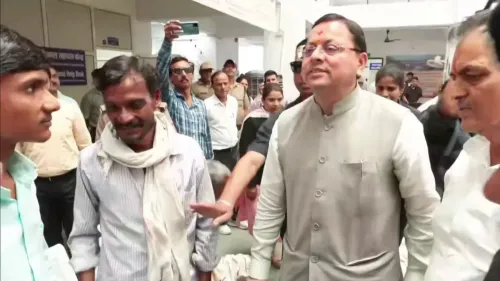
Uttarakhand Chief Minister Pushkar Singh Dhami said on 3 June 2026 that devotees on the ongoing Char Dham Yatra had expressed satisfaction with the arrangements made by the state administration, as he reviewed pilgrimage facilities alongside local legislator Prem Aggarwal. The Chief Minister underlined that the government was working continuously to ensure a safe, smooth and pleasant journey for those undertaking the Himalayan pilgrimage circuit.
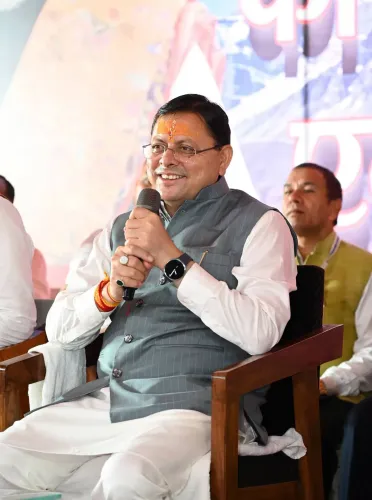
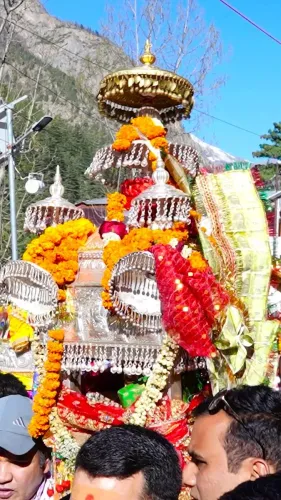
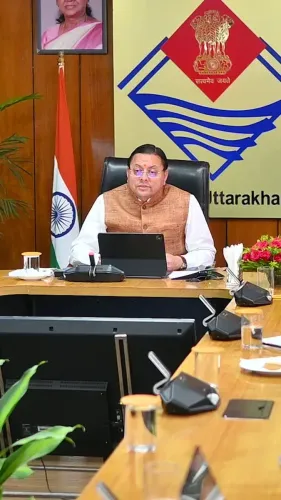
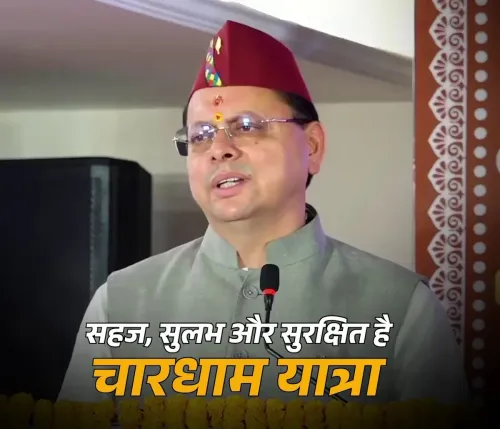
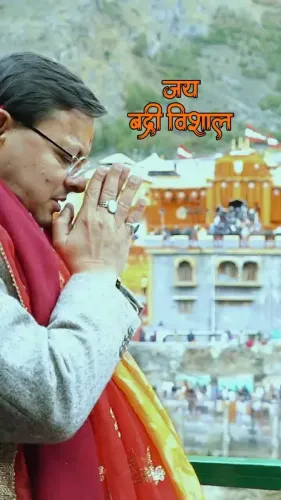
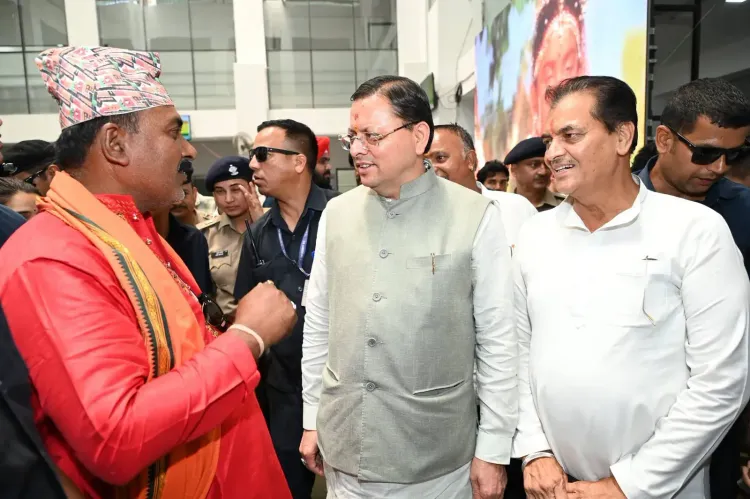
In his post on X, Dhami wrote that 'श्रद्धालुओं ने चारधाम यात्रा हेतु की गई व्यवस्थाओं पर संतोष जताया' ('devotees have expressed satisfaction with the arrangements made for the Char Dham Yatra'). He added that the state government was working without pause to ensure a 'safe, smooth and pleasant journey' for pilgrims, and noted that MLA Prem Aggarwal was present on the occasion. The post was accompanied by three images from the interaction.
Context
The Char Dham Yatra is the annual Hindu pilgrimage to the four high-altitude shrines of Yamunotri, Gangotri, Kedarnath and Badrinath, spread across the Garhwal Himalayas. The yatra typically opens in late April or early May with the ceremonial unbarring of temple doors and concludes around Diwali, drawing millions of devotees during a short summer window.
Dhami, who has led Uttarakhand since 2021, has personally fronted reviews of pilgrimage logistics each season, including registration, medical screening, road conditions and weather advisories. His remarks on devotee feedback fit a recurring pattern of on-ground inspections by the Chief Minister during the peak yatra months.
Policy backdrop
The state's pilgrimage management framework has evolved sharply since the 2013 Kedarnath flash floods, after which Uttarakhand rolled out mandatory pilgrim registration and health checks from 2014. Connectivity to the four shrines is being upgraded under the Char Dham All Weather Road project, which received Cabinet approval in 2016 and aims to provide reliable highway access to the dhams through the year.
Subsequent administrations have layered real-time crowd monitoring, biometric checks at base camps and emergency medical posts onto this base. The approach mirrors the central government's broader push to develop pilgrimage circuits, from the Kashi Vishwanath corridor to the Kedarnath and Badrinath redevelopment plans.
Stakeholders and impact
Religious tourism is one of Uttarakhand's largest economic drivers, sustaining hotel owners, transporters, pony and palanquin operators, priests and seasonal workers along the yatra routes. A smooth season translates directly into revenue for local communities in districts such as Rudraprayag, Chamoli and Uttarkashi.
For the state government, perceptions of safety and convenience are politically salient. The 2024 season had seen scrutiny over heat-related fatalities and traffic bottlenecks at Kedarnath, making positive devotee feedback a useful counterweight for the administration this year.
The presence of MLA Prem Aggarwal alongside Dhami also signals the standard BJP practice of pairing the Chief Minister's visits with local elected representatives to flag continued legislator engagement with constituents and visiting pilgrims.
What's next
Attention now turns to the state government's periodic Char Dham Yatra preparedness updates and any mid-season tweaks to crowd-control measures as devotee footfall peaks before the monsoon. Additional funding allocations for pilgrimage infrastructure are expected to be flagged in the next budget session.
For Dhami, sustaining a fatality-free and orderly yatra season would reinforce Uttarakhand's positioning as a managed religious tourism destination — a narrative the administration has actively cultivated as it balances spiritual significance with the hard logistics of Himalayan pilgrimage.
Frequently Asked Questions
When does the Char Dham Yatra 2026 take place?
The Char Dham Yatra runs through the summer and early autumn months, typically opening in late April or early May and continuing until around Diwali, covering the four shrines of Yamunotri, Gangotri, Kedarnath and Badrinath.
What did CM Pushkar Singh Dhami say about Char Dham arrangements?
Dhami said pilgrims have expressed satisfaction with the arrangements and that the Uttarakhand government is working continuously to ensure a safe, smooth and pleasant journey for devotees.
Who is Prem Aggarwal mentioned in the Dhami post?
Prem Aggarwal is a sitting Uttarakhand MLA who was present alongside the Chief Minister during the review of Char Dham Yatra arrangements.
Is registration mandatory for the Char Dham Yatra?
Yes, Uttarakhand has required pilgrim registration for the Char Dham Yatra since 2014, introduced after the 2013 Kedarnath disaster, along with medical screening at base camps.
What is the Char Dham All Weather Road project?
It is a highway upgrade programme approved by the Union Cabinet in 2016 to provide reliable year-round road connectivity to the four Char Dham shrines in Uttarakhand.