FIFA World Cup 2026: Torres' extra-time strike fires Spain past Argentina 1-0
Synopsis
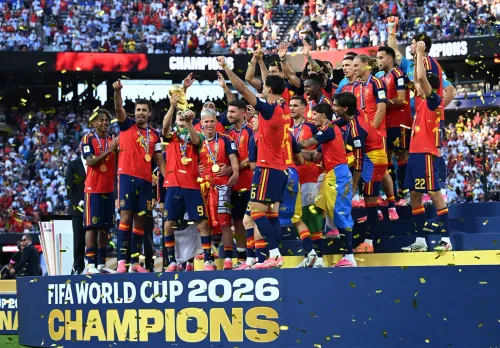
Spain's second World Cup title arrived not through a superstar, but through a substitute. Ferran Torres, on as a replacement, struck in the 106th minute to end a goalless stalemate — and Argentina's reign as champions — at the New York New Jersey Stadium. With Messi contained and Fernandez sent off, La Roja's tactical discipline proved the difference in football's biggest final.
Key Takeaways
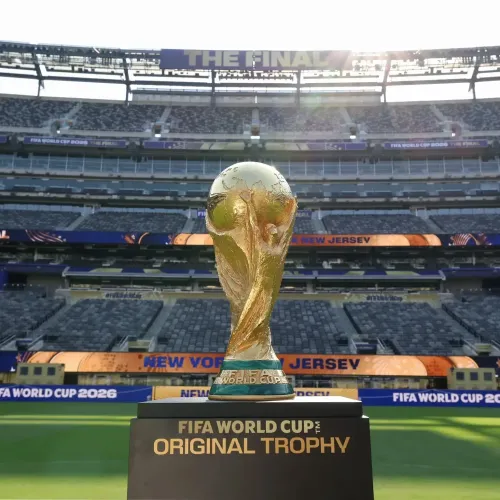
Spain defeated Argentina 1-0 in extra time to win the FIFA World Cup 2026 on 20 July 2026 .
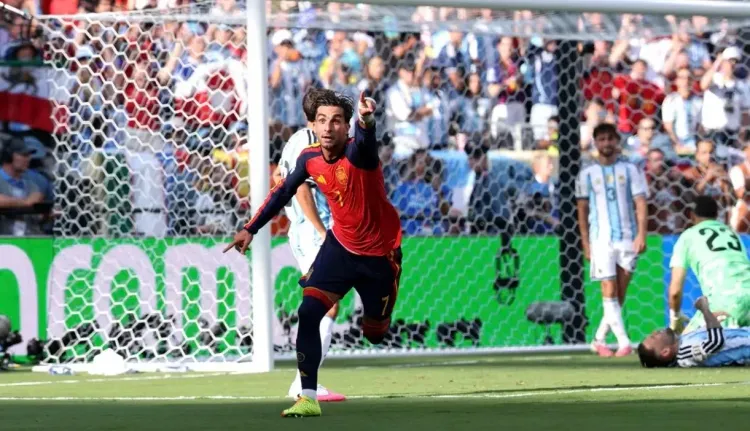
Substitute Ferran Torres scored the only goal in the 106th minute , assisted by a knockdown from Nico Williams .
Argentina midfielder Enzo Fernandez was shown a second yellow card late in normal time, leaving the defending champions with 10 men for extra time.
Emiliano Martinez was in inspired form throughout, repeatedly denying Spain during the 90 minutes.
It is Spain's second FIFA World Cup title — their first since South Africa 2010 .
Spain went unbeaten throughout the entire 2026 tournament.
Substitute Ferran Torres etched his name into football history on 20 July 2026, scoring the decisive goal in extra time as Spain defeated defending champions Argentina 1-0 to claim the FIFA World Cup 2026 title at the New York New Jersey Stadium. The victory hands La Roja their second World Cup crown — and their first since their landmark triumph in South Africa in 2010.
The Decisive Moment
After a tense, goalless 90 minutes, Torres broke the deadlock in the 106th minute, latching onto a headed knockdown from Nico Williams before unleashing a powerful left-footed strike beyond Argentine goalkeeper Emiliano Martinez. The goal, when it came, was a reward for relentless Spanish pressure that Martinez had single-handedly kept at bay throughout normal time.
How the Final Unfolded
Spain dominated possession and carved out the clearer chances across the 90 minutes, only to be repeatedly frustrated by an inspired Martinez. Argentina, meanwhile, struggled to manufacture clear-cut openings, with captain Lionel Messi largely neutralised by Spain's disciplined defensive structure.
The contest tilted decisively in Spain's favour deep in stoppage time, when Argentine midfielder Enzo Fernandez was shown a second yellow card, reducing the defending champions to 10 men for the entirety of extra time. Spain pressed the advantage, and although one effort was ruled out for a foul in the build-up, Luis de la Fuente's side remained composed to see out the closing stages without alarm.
Spain's Unbeaten Run to Glory
The triumph capped a remarkable tournament campaign for Spain, who went through the entire competition unbeaten. Their clinical, possession-based style drew comparisons to the celebrated 2010 vintage that conquered South Africa — a side that also ground out results in tight finals. Notably, this is only the second time in history that Spain have lifted the World Cup, making Torres' goal one of the most consequential strikes in the nation's footballing story.
Argentina's Reign Ends
For Argentina, the defeat ends a four-year reign as world champions that began with their victory in Qatar in 2022. Messi, widely expected to lead one final title defence, was contained throughout by Spanish midfield discipline. The red card for Fernandez proved the turning point that extinguished Argentina's hopes of becoming back-to-back World Cup winners for the first time since Brazil in 1958 and 1962.
Spain's second World Cup title cements their status as one of the dominant forces in international football, and sets the stage for a new generation — led by Torres and Williams — to define the next era of La Roja.
Point of View
But a more direct, physically intense Spain that could press and punish. The Fernandez red card was decisive, but Spain had already earned the right to win before it: Martinez's heroics in goal were the only thing keeping this final alive. The deeper question for Argentina is whether this squad, now ageing around Messi, can rebuild quickly enough for 2030.
NationPress
21 Jul 2026
Frequently Asked Questions
Who won the FIFA World Cup 2026?
Spain won the FIFA World Cup 2026, defeating defending champions Argentina 1-0 in extra time at the New York New Jersey Stadium on 20 July 2026. It is Spain's second World Cup title, following their 2010 triumph in South Africa.
Who scored the winning goal in the 2026 World Cup final?
Substitute Ferran Torres scored the decisive goal in the 106th minute of extra time. He latched onto a headed knockdown from Nico Williams and struck a powerful left-footed shot past Argentina goalkeeper Emiliano Martinez.
Why was Enzo Fernandez sent off in the World Cup final?
Argentina midfielder Enzo Fernandez received a second yellow card deep into stoppage time of normal time, reducing Argentina to 10 men for the entirety of extra time. The dismissal significantly weakened Argentina's ability to mount an equaliser.
How did Argentina perform in the 2026 World Cup final?
Argentina struggled to create clear-cut chances throughout the final, with captain Lionel Messi largely kept quiet by Spain's disciplined defence. Despite goalkeeper Emiliano Martinez's outstanding performance, the team could not find the net and were further hampered by Fernandez's red card.
Is this Spain's first World Cup title?
No, this is Spain's second FIFA World Cup title. Their first came in South Africa in 2010, when they also won by a single goal in extra time. The 2026 triumph caps an unbeaten tournament run for La Roja.